
 Romania
Frontiers of the Roman Empire – Dacia
From 500 BCE on, the Roman Empire extended its territory across parts of Europe and North Africa until its frontier totaled some 7,500 kilometres by the 2nd century.
Frontiers of the Roman Empire – Dacia
1. 🏛️ Overview & Historical Significance
The Frontiers of the Roman Empire – Dacia represents one of the most formidable, complex military border networks of the ancient world. Inscribed onto the UNESCO World Heritage list in July 2024 during the 46th session of the World Heritage Committee, this vast archaeological treasure spans over 1,000 kilometers across present-day Romania, encompassing Transylvania, Banat, Oltenia, and Muntenia. Formally established following Emperor Trajan’s conquest of King Decebalus during the fierce Dacian Wars (101–106 AD), Dacia stood as the Roman Empire’s sole northern province beyond the natural barrier of the Danube River.
Unlike the continuous stone rampart of Hadrian’s Wall in Britain, the Dacian limes was a highly sophisticated, adaptive defense system comprising 277 individual component sites. These include massive stone legionary fortresses (such as Apulum in Alba Iulia and Potaissa in Turda), strategic auxiliary forts (castra), earthwork ramparts (vallum), watchtowers (burgi), military roads, and civilian settlements (canabae). Key flagship locations that showcase this engineering prowess include the northern stronghold of Porolissum (Moigrad), the provincial capital of Ulpia Traiana Sarmizegetusa, and the riverside fort of Drobeta.
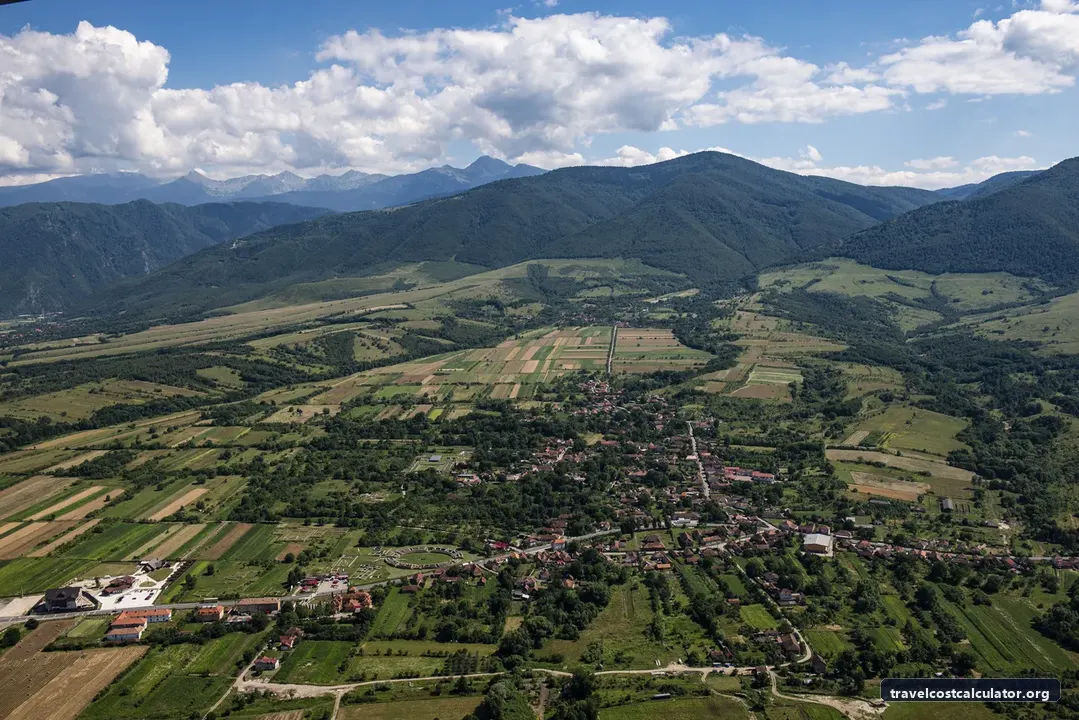
Dacia functioned as an imperial shield protecting gold and salt wealth while serving as a cultural melting pot where Roman legionaries from across the Mediterranean integrated with indigenous Dacians. Experiencing this World Heritage site offers travelers a rare, raw glimpse into Roman tactical frontier life, surrounded by the untouched, sweeping landscapes of the Transylvanian countryside.
2. 🎟️ Entrance Fees, Opening Hours & Ticket Booking Tips
Because the Frontiers of the Roman Empire – Dacia consists of dispersed archaeological parks and field locations across Romania, entry ticket management is handled individually by regional county museum authorities. Below are the estimated 2026 entry tariffs and scheduling guidelines for the primary public sectors:
2026 Ticket Pricing (Estimated Rates)
-
✦
Porolissum Archaeological Complex (Moigrad / Zalău):
- Adults: 25 RON (~$5.50 USD / €5.00)
-
✦
Students / Seniors: 12 RON (~$2.60 USD / €2.40)
-
✦
Family Pass (2 adults + up to 3 children): 55 RON (~$12.00 USD / €11.00)
- Adults: 22 RON (~$4.80 USD / €4.40)
- Adults: 20 RON (~$4.40 USD / €4.00)
Opening Hours & Insider Booking Tips
-
✦
High Season (April 1 – October 31): Open Tuesday to Sunday, 09:00 to 18:00 (Last entry at 17:15). Key indoor museum sections close on Mondays.
-
✦
Low Season (November 1 – March 31): Open Tuesday to Sunday, 09:00 to 16:00. Rural outdoor parks remain accessible, though paths can be muddy or icy.
-
✦
Payment Hacks: While major sites like Alba Iulia and Ulpia Traiana Sarmizegetusa accept contactless credit card payments, smaller remote locations (like Porolissum or Castra Bologa) strongly require local cash in Romanian Leu (RON). Electronic booking for multi-site visitor passes is available on county museum portals such as the Zalău County Museum of History and Art website.
3. 🚌 How to Get There & Local Transit Costs
Navigating the Roman Dacian frontier requires choosing a convenient regional urban hub. The primary gateway for northern Limes sites (including Porolissum and Bologa) is Cluj-Napoca Travel Budget, while southern and central sites (Ulpia Traiana Sarmizegetusa, Apulum) are best accessed from Alba Iulia or Sibiu Travel Budget.
Route 1: Cluj-Napoca to Porolissum (Moigrad / Zalău Sector)
-
✦
By Car (Recommended): Renting a car from Cluj-Napoca International Airport (CLJ) offers maximum flexibility. Drive north on highway DN1F / E81 toward Zalău, then take county road DJ191C directly to Moigrad-Porolissum (approx. 85 km, 1 hour 30 minutes drive). Car rental rates in 2026 average 120–180 RON per day (~$26–$40 USD) for an economy vehicle.
-
✦
By Public Transport (Bus + Taxi):
- Board a direct intercity bus (Fany or Autogenn) from Cluj-Napoca Autogara Seni to Zalău Autogara. Departs hourly; journey takes 1 hour 45 minutes; fare is 30 RON (~$6.60 USD) one-way.
-
✦
From Zalău city center, take a local taxi or ride-share to the Porolissum gate (8 km away). A one-way taxi fare costs approximately 35–45 RON (~$7.70–$10.00 USD).
Route 2: Alba Iulia to Ulpia Traiana Sarmizegetusa
-
✦
By Train & Local Bus: Take a CFR Călători train from Alba Iulia station to Deva or Subcetate (approx. 1 hour 15 minutes, 18–28 RON / ~$4.00–$6.00 USD). From Deva or Hațeg, local minibus routes (microbuz) run regularly toward Sarmizegetusa village (approx. 30 minutes, 12–15 RON / ~$2.60–$3.30 USD).
-
✦
Taxi / Private Transfer: A full-day private driver hire covering Alba Iulia, Micia, and Ulpia Traiana Sarmizegetusa costs approximately 400–550 RON (~$88–$120 USD).
4. 📸 Best Photography Spots & Insider Visit Hacks
Prime Photography Spots
-
✦
Porta Praetoria (Porolissum): The reconstructed grand stone entrance gate perched on Potaissa Hill offers breathtaking 360-degree views of the Transylvanian hills. Shoot during golden hour (4:30 PM–6:30 PM in autumn) when warm sun rays illuminate the stone archways.
-
✦
The Roman Amphitheater (Moigrad): Position yourself on the upper seating tiers looking down into the oval arena frame against the backdrop of Meses Mountain range.
-
✦
Forum of Ulpia Traiana Sarmizegetusa: Capture the grand white marble columns and intricate hypocaust floor systems, ideal under early morning light (8:30 AM–10:00 AM) before noon shadows fall across the masonry.
-
✦
Principia Museum (Alba Iulia): Modern glass pathways suspended over ancient Roman walls offer sharp architectural contrast shots inside the historic Vauban citadel.
Insider Visit Hacks
-
✦
Gear Up for Terrain: Most Roman sites are expansive, open-air grassy hillsides with minimal shade. Pack sturdy, waterproof hiking footwear, sun protection, and a light jacket—mountain weather changes rapidly in Transylvania.
-
✦
Download Offline Maps: Mobile network signals drop around rural fort sectors (such as Castra Bologa and Jac watchtowers). Download offline maps using Google Maps or Maps.me before heading into remote valleys.
-
✦
Avoid Mid-day Heat in Summer: Mid-summer (July–August) temperatures in Romania often top 35°C (95°F) with no trees across open ruins. Visit early in the morning or late afternoon, and always carry at least 1.5 liters of drinking water per person.
-
✦
Combine Nearby Attractions: Combine your visit to Porolissum with the nearby Zmeyilor Garden (Grădina Zmeilor) rock formations, or pair Ulpia Traiana Sarmizegetusa with the medieval Corvin Castle (Castelul Corvinilor) in Hunedoara.
5. 🏨 Nearby Accommodation & Daily Budget Allocation
To experience the Roman frontier comfortably, base your stay in nearby cultural hubs such as **Cluj-Napoca**, **Zalău**, or **Alba Iulia**, depending on which segment of the Limes you are exploring.
Accommodation Options (2026 Estimated Rates)
-
✦
Budget Hostels & Guesthouses (Pensiuni):
- Pensiunea Popasul Roman (Near Porolissum / Zalău): Traditional countryside hospitality with homemade Transylvanian meals. Private room: 140–200 RON (~$30–$44 USD) per night.
-
✦
Hostel Retro (Cluj-Napoca Center): Cozy, budget-friendly hub for backpackers. Dorm bed: 85–110 RON (~$18–$24 USD); private room: 210 RON (~$46 USD).
- Hotel Brilliant (Zalău): Comfortable 3-star business hotel with modern amenities. Double room with breakfast: 320–420 RON (~$70–$92 USD) per night.
- Platinia Hotel (Cluj-Napoca): High-end 5-star comfort. Suites from 850 RON (~$186 USD) per night.
Dining Costs & Regional Flavors
Dining near archaeological sites features hearty Romanian cuisine. Try Ciorbă Rădăuțeană (garlic chicken soup), Sarmale (cabbage rolls), and traditional Palincă (plum brandy).
-
✦
Casual Meal / Village Taverns: 35–55 RON (~$7.70–$12.00 USD) per person.
-
✦
3-Course Mid-Range Restaurant Meal: 80–140 RON (~$17.50–$30.00 USD) per person.
Daily Budget Allocation Summary (Per Person, 2026)
-
✦
Backpacker Budget Planner: ~$45 – $60 USD / day (200 – 275 RON) — Hostels/guesthouses, public bus transit, street food/casual eateries, self-guided tours.
-
✦
Mid-Range Budget: ~$110 – $165 USD / day (500 – 750 RON) — 3-star hotel, rental car share, dining at traditional restaurants, paid museum pass + audio guides.
-
✦
Luxury / Private Tour Budget: ~$260+ USD / day (1,180+ RON) — 4 or 5-star hotel/manor, private driver/guided tour, fine dining.
Frequently Asked Questions
Essential visitor FAQs for Frontiers of the Roman Empire – Dacia
What is the entrance fee for Frontiers of the Roman Empire – Dacia?
How much time do you need to explore Frontiers of the Roman Empire – Dacia?
How do I get to Frontiers of the Roman Empire – Dacia from the nearest city?
📊 Heritage Quick Specs
Visiting Romania on a Budget?
Calculate your full daily travel budget for Romania — including hotel costs, local transport, food, and sightseeing expenses.
View Romania Daily Travel Costs →Explore more UNESCO World Heritage Sites
🏛️ All 1,200+ Heritage Sites →