
 UAE
UAE
Faya Palaeolandscape
Located between the Persian Gulf and Arabian Sea, the property preserves evidence of human occupation from the Middle Palaeolithic and Neolithic periods (210,000–6,000 years ago).
Faya Palaeolandscape
🏛️ Overview & Historical Significance
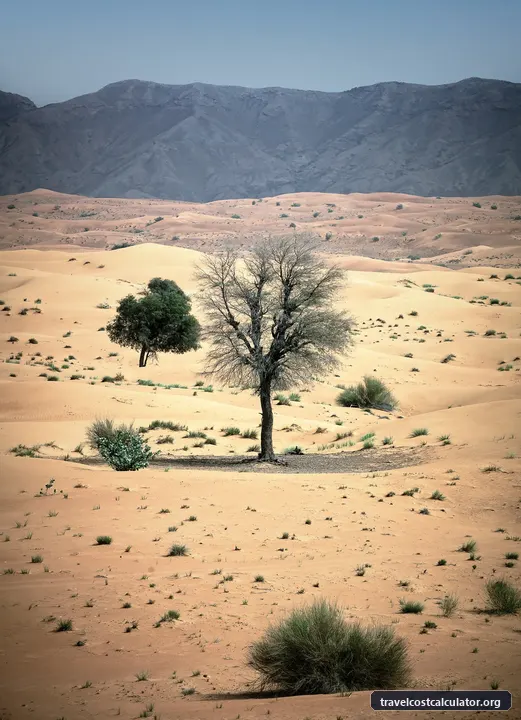
Rising dramatically from the terracotta sand dunes of Sharjah Travel Budget’s central region, the Faya Palaeolandscape represents one of the most critical archaeological landscapes in human evolutionary history. Formally inscribed as a UNESCO World Heritage site in 2025, this pristine desert terrain surrounding the jagged limestone spine of Jebel Faya provides groundbreaking physical evidence of early modern human movement out of Africa across the Southern Route via the Bab-el-Mandeb Strait.
Unlike traditional Mediterranean or European prehistoric sites, Faya’s deeply stratified sedimentary layers chronicle over 210,000 years of continuous human occupation and environmental adaptation. Excavations conducted by international research teams have uncovered deep Middle Paleolithic stone tool assemblages—including hand axes and foliate points—proving that Homo sapiens inhabited the interior of the Arabian Peninsula during humid interglacial periods, long before previously assumed by mainstream migratory models.
Visiting the Faya Palaeolandscape in 2026 offers travelers an immersive encounter with deep time. The heritage zone encompasses prehistoric living sites, Neolithic pastoral campsites, Bronze Age burial complexes, and Iron Age fortresses. It stands not merely as a barren desert, but as a ancient, green savannah corridor that served as a cradle for early human survival, innovation, and migration.
🎟️ Entrance Fees, Opening Hours & Ticket Booking Tips
Access to the central Faya Palaeolandscape is managed in partnership with the nearby Mleiha Archaeological Centre, ensuring strict conservation while providing visitors with world-class visitor interpretation facilities.
2026 Estimated Entrance Fees
-
✦
Standard Access Pass (Exhibition & Self-Guided Site Trail): 35 AED (~$9.50 USD) for adults; 20 AED (~$5.50 USD) for children aged 6–12; free for children under 6.
-
✦
Archaeologist-Led Paleolithic Guided Trek: 185 AED (~$50 USD) per person (Includes walking tour of deep cave shelter excavations and geological terraces).
-
✦
4WD Palaeolandscape Off-Road Expedition: 250 AED (~$68 USD) per person (Covers Jebel Faya, Fossil Rock, and prehistoric tomb clusters with a certified eco-guide).
Opening Hours & Booking Advice
The main Visitor Centre and controlled landscape entry points operate under the following schedule:
-
✦
Saturday to Wednesday: 9:00 AM – 7:00 PM
-
✦
Thursday and Friday: 9:00 AM – 9:00 PM
Booking Tip: To protect fragile surface artifacts and limestone layers, daily visitor caps are strictly enforced by the Sharjah Investment and Development Authority (Shurooq). In 2026, it is highly recommended to reserve your entry pass and guided treks at least 3 to 5 days in advance via the official Sharjah Archaeology online portal, particularly during the peak winter travel season from November to March.
🚌 How to Get There & Local Transit Costs
The Faya Palaeolandscape is located in the Emirate of Sharjah, approximately 55 kilometers east of Sharjah City Centre and 65 kilometers northeast of downtown Dubai Travel Budget" class="text-primary font-bold">Dubai Travel Budget.
By Rental Car (Recommended)
Renting a vehicle is the most flexible and cost-effective method to reach the site. From Dubai or Sharjah City, take the E44 (Ras Al Khor/Al Awir Road) or E102 (Sharjah-Kalba Road) towards Mleiha/Al Dhaid. The drive takes roughly 45 to 55 minutes.
-
✦
Daily Compact Car Rental (2026 rates): 110 AED – 160 AED (~$30 – $43 USD) per day.
-
✦
Fuel Cost: Approx. 3.20 AED per liter (~$0.87 USD/L). Expect round-trip fuel costs of about 25–35 AED ($7–$10 USD).
By Taxi or Rideshare
You can hail an Uber, Careem, or official Sharjah/Dubai metered taxi directly to the site.
-
✦
One-way Taxi Fare from Downtown Dubai / DXB Airport: 180 AED – 240 AED (~$49 – $65 USD).
-
✦
Return Trip Logistics: Rideshares can be difficult to hail directly from the desert interior. It is essential to negotiate a multi-hour waiting rate with your taxi driver (approx. 50 AED / $13.50 USD per hour waiting fee) or pre-arrange your return transport through the visitor centre desk.
By Public Transit & Regional Bus
For budget travelers using public transportation:
-
✦
Board the Intercity Bus E400 from Dubai’s Union Bus Station to the Al Dhaid Bus Station (Cost: 15 AED / ~$4 USD).
-
✦
From Al Dhaid, hire a local street taxi for the remaining 15-kilometer drive south to Jebel Faya (Cost: 40 AED – 55 AED / ~$11 – $15 USD).
📸 Best Photography Spots & Insider Visit Hacks
Prime Photography Angles
-
✦
Jebel Faya Eastern Escarpment: Capture the dramatic contrast between the golden desert sand dunes and the prehistoric gray-brown limestone cliff faces during early morning light.
-
✦
Paleolithic Cave Shelters: Frame your shot looking outward from the rock shelters towards the desert basin to visualize the ancient lake beds as early humans once saw them.
-
✦
Fossil Rock Terrace: Located adjacent to the Faya range, this vantage point allows wide-angle panoramic shots of the entire World Heritage landscape at sunset.
Insider Visit Hacks
-
✦
Optimal Seasonal Timing: Visit exclusively between November and March. Winter temperatures hover comfortably between 18°C and 27°C (64°F–80°F). Avoid summer months (June to September), when extreme desert temperatures often exceed 45°C (113°F), forcing outdoor sites to close early.
-
✦
Golden Hour Strategy: Arrive by 3:30 PM. Complete the indoor exhibition context first, then take your guided outdoor trek at 4:30 PM to shoot photos during the magical 5:00 PM sunset over the red dunes.
-
✦
Footwear Essential: The terrain around Jebel Faya consists of sharp, loose limestone scree and soft dune sand. Lightweight trail runners or sturdy hiking boots are required; open sandals are unsafe for site walks.
🏨 Nearby Accommodation & Daily Budget Allocation
Where to Stay: From Budget Camping to Boutique Luxury
-
✦
Budget Option (Self-Camping / Eco-Pods): Mleiha Desert Camp Grounds. Dedicated desert camping sites near the base of the mountains offer basic amenities. Pitching your own tent costs around 50 AED ($14 USD), while basic overnight glamping domes start around 260 AED (~$70 USD) per night.
-
✦
Mid-Range Option: Al Faya Retreat by Sharjah Collection. A stylish, tranquil boutique eco-lodge converted from 1960s stone buildings right at the foot of Mount Faya, complete with a desert spa and outdoor pool. Room rates in 2026 range from 850 AED to 1,350 AED (~$230 – $365 USD) per night.
-
✦
Luxury Option: Mysk Al Badayer Retreat. Located 15 minutes away, offering traditional Emirati castle-style luxury suites and private desert villas with plunge pools. Rates range from 1,200 AED to 2,200 AED (~$325 – $600 USD) per night.
Daily Budget Allocation Breakdown (per person, 2026 Estimates)
To help you plan your itinerary, here is a realistic daily spending guide based on your travel style:
-
✦
Backpacker / Budget Traveler: $55 – $80 USD (200 – 295 AED) / day
- Transit: Shared car rental or public bus + local taxi (~$20 USD)
-
✦
Entry: Standard entry ticket (~$9.50 USD)
-
✦
Food: Local cafeteria meals or picnic supplies (~$15 – $20 USD)
-
✦
Stay: Budget campsite/shared pod (~$20 – $30 USD)
- Transit: Private rental car with fuel (~$35 USD)
- Transit: Chauffeur-driven luxury SUV from Dubai (~$150 USD)
Frequently Asked Questions
Essential visitor FAQs for Faya Palaeolandscape
What is the entrance fee for Faya Palaeolandscape?
How much time do you need to explore Faya Palaeolandscape?
How do I get to Faya Palaeolandscape from the nearest city?
📊 Heritage Quick Specs
Visiting UAE on a Budget?
Calculate your full daily travel budget for UAE — including hotel costs, local transport, food, and sightseeing expenses.
View UAE Daily Travel Costs →Explore more UNESCO World Heritage Sites
🏛️ All 1,200+ Heritage Sites →