
 Italy
Italy
Evaporitic Karst and Caves of Northern Apennines
This serial property is an unusually well-preserved and extensive epigenic gypsum karst terrain.
Evaporitic Karst and Caves of Northern Apennines
🏛️ Overview & Historical Significance
Inscribed as a UNESCO World Heritage site during the 45th Session of the World Heritage Committee, the Evaporitic Karst and Caves of Northern Apennines represents one of Earth's most remarkable geological and hydrological marvels. Situated across the Emilia-Romagna region of northern Italy, this serial property encompasses seven distinct geographic component sites featuring an unprecedented concentration of evaporitic karst terrains—specifically gypsum and anhydrite formations.
What makes this site globally extraordinary is its geological lineage. The terrain contains two distinct subterranean layers: ancient Triassic gypsum deposits dating back over 200 million years (notably in the Alta Valle del Secchia) and younger, exceptionally pure Messinian gypsum formations dating back roughly 5.5 million years, created when the Mediterranean Sea evaporated during the famous "Messinian Salinity Crisis."
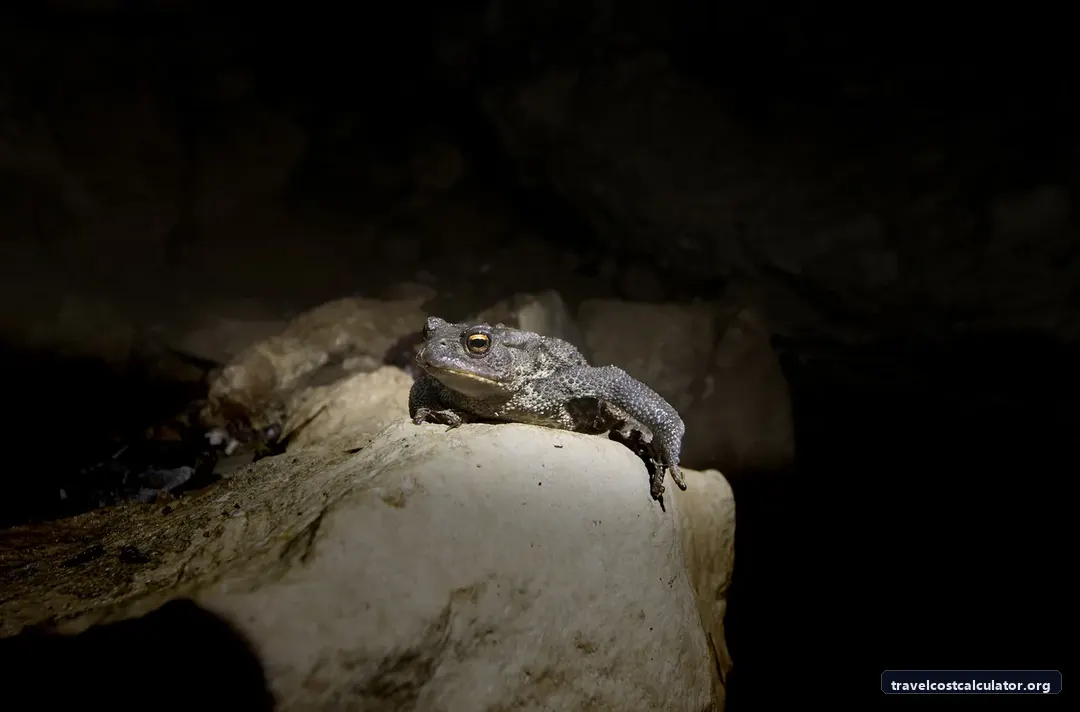
The property houses over 900 documented caves spanning more than 110 kilometers of subterranean passages. It contains some of the deepest gypsum cave systems in the world (reaching depths below 265 meters) as well as active underground rivers, blind valleys, dolines, and rare mineralogical speleothems such as giant selenate crystals. Beyond its geological significance, the area holds vital paleontology records, unique subterranean biodiversity (including endangered bat populations like the Mediterranean Horseshoe Bat), and historic milestones in speleology—most notably the Grotta della Spipola, discovered in the 1930s, which pioneered modern cave exploration in Europe.
🎟️ Entrance Fees, Opening Hours & Ticket Booking Tips
Because the UNESCO property spans multiple regional parks across the Apennine ridge, accessing the general surface trails and park overlook areas is completely free of charge year-round. However, accessing the subterranean cave networks requires joining official guided speleological tours to preserve the fragile microclimates and safeguard subterranean fauna.
Estimated 2026 Ticket Costs
-
✦
Surface Trail Access & Nature Reserves: Free / €0
-
✦
Grotta della Spipola Guided Tour (Gessi Bolognesi): €16 – €22 per adult (~$17.50 – $24.00 USD); €10 – €14 (~$11.00 – $15.50 USD) for children under 12.
-
✦
Grotta del Re Tiberio Guided Tour (Vena del Gesso Romagnola): €12 – €16 per adult (~$13.00 – $17.50 USD); €8 (~$8.75 USD) for reduced tickets.
-
✦
Fonti di Poiano & Secchia Valley Visitor Center Pass: €5 – €8 (~$5.50 – $8.75 USD).
-
✦
Combined Emilia-Romagna UNESCO Karst Pass (2026 Regional Excursion): €35 – €50 (~$38.50 – $55.00 USD), including multi-cave admission and guided eco-tours.
Opening Hours & Booking Logistics
Guided cave excursions run seasonally, primarily from April 1 through October 31. During peak summer months (June to August), tours operate daily, while shoulder seasons offer weekend and holiday tours. Most cave entries depart at fixed morning (9:30 AM) and afternoon (2:00 PM) times.
Crucial Insider Booking Tip: Strict conservation caps limit cave entries to small groups (usually 15–20 people maximum per slot). You must reserve your guided cave tour 3 to 4 weeks in advance via the official regional park platforms (such as Enti Parchi Emilia Orientale or Parco Vena del Gesso Romagnola). Walk-in tickets at cave entrances are rarely available.
🚌 How to Get There & Local Transit Costs
The primary gateway to the Evaporitic Karst and Caves of Northern Apennines is Bologna, which features an international airport (Bologna Guglielmo Marconi - BLQ) and a high-speed rail hub (Bologna Centrale).
1. Visiting Gessi Bolognesi (Nearest to Bologna - ~15 km south)
-
✦
By Public Bus: Board TPER Bus Line 19 or Line 90/94 from Bologna Central Station to San Lazzaro di Savena / Farneto. Single transit ticket cost: €1.50 – €2.20 ($1.65 – $2.40 USD). Journey time: 35 minutes.
-
✦
By Taxi / Ride-Share: A taxi from central Bologna to the Farneto Visitor Center costs approximately €28 – €38 ($31 – $42 USD) one-way.
2. Visiting Vena del Gesso Romagnola (Riolo Terme & Brisighella - ~60 km southeast)
-
✦
By Train: Take a regional Trenitalia train from Bologna Centrale to Brisighella or Faenza. Train ticket: €5.50 – €8.00 ($6.00 – $8.80 USD) each way. Journey time: 40–55 minutes.
-
✦
By Local Connecting Bus: From Faenza rail station, take the local TPER/COOP line to Riolo Terme for €2.50 ($2.75 USD).
3. Visiting Alta Valle del Secchia (Triassic Gypsum Karst - ~100 km southwest)
-
✦
By Rental Car (Recommended): Renting a vehicle from Bologna or Reggio Emilia yields the greatest flexibility across the Apennine ridge. Daily 2026 car rental rates average €35 – €65 ($38.50 – $71.50 USD) per day. Driving time via the SS63/SP19 is roughly 1.5 to 2 hours.
📸 Best Photography Spots & Insider Visit Hacks
Capturing the dramatic landscapes of the evaporitic karst requires a mix of outdoor landscape planning and low-light subterranean camera gear.
Prime Photography Locations
-
✦
Pietra di Bismantova Overlook (Secchia Valley): A massive, flat-topped narrow rock formation offering 360-degree panoramic views of the Apennine karst ridges at golden hour.
-
✦
Riva dei Gessi Cliffs: Dramatic, gleaming white-and-grey gypsum outcrops rising above lush oak forests in the Vena del Gesso Romagnola.
-
✦
Grotta della Spipola Active River Chamber: Frame the sparkling wall crystals illuminated under guide lighting (a tripod or high-ISO camera setup is essential).
-
✦
Brisighella’s Via del Borgo (Via degli Asini): An elevated 14th-century covered street carved directly into the gypsum rock face, overlooking the town's medieval clock tower.
Insider Travel Hacks for 2026
-
✦
Dress for Microclimates: Regardless of outside summer heat (30°C / 86°F+), cave interiors remain at a steady, chilly 10°C to 12°C (50°F – 54°F) year-round with high humidity. Pack a lightweight insulated jacket, long trousers, and sturdy waterproof hiking boots with non-slip soles—gypsum rock is slick when damp.
-
✦
Avoid Cave Closures for Bat Protection: Certain subterranean sections (such as deep caves in the Secchia Valley) are closed strictly from November to March to protect hibernating bat species. Plan your spelunking between May and October.
-
✦
Eco-Etiquette: Gypsum is a soft, water-soluble mineral. Touching formation surfaces or leaving trace trash can degrade delicate structures that took millennia to form. Stick strictly to marked walkways and guide instructions.
🏨 Nearby Accommodation & Daily Budget Allocation
Staying near the site allows you to experience traditional Italian hospitality (*agriturismi*) while enjoying easy access to the trails. Below are the top accommodation choices and estimated daily costs for 2026.
Where to Stay
-
✦
Budget ($35 – $65 USD / night): Eco-hostels and small guesthouses around San Lazzaro di Savena or Brisighella (e.g., Ostello di Brisighella).
-
✦
Mid-Range ($95 – $160 USD / night): Charming countryside Agriturismi (farm stays) such as those near Riolo Terme or Castelnovo ne' Monti, featuring home-cooked meals made with regional ingredients like Parmigiano-Reggiano and balsamic vinegar.
-
✦
Luxury ($220 – $400 USD / night): Boutique spa hotels in Bologna or historical thermal wellness resorts in Riolo Terme (e.g., Grand Hotel Terme di Riolo).
Estimated Daily Budget Profiles (2026)
-
✦
Backpacker / Budget Saver: €60 – €85 ($66 – $93 USD) per day. Covers regional public transit, free trail hiking, a budget hostel dorm or private room, self-catered meals, and one basic guided cave tour.
-
✦
Mid-Range Explorer: €140 – €220 ($154 – $242 USD) per day. Includes a rental car share/fuel, an authentic agriturismo stay, 2 guided cave/visitor center admissions, and full multi-course meals at local trattorias featuring regional wine.
-
✦
Luxury / Private Eco-Tour: €350+ ($385+ USD) per day. Covers a private vehicle rental, high-end spa accommodation, personalized speleological private guides, and fine dining experiences.
Frequently Asked Questions
Essential visitor FAQs for Evaporitic Karst and Caves of Northern Apennines
What is the entrance fee for Evaporitic Karst and Caves of Northern Apennines?
How much time do you need to explore Evaporitic Karst and Caves of Northern Apennines?
How do I get to Evaporitic Karst and Caves of Northern Apennines from the nearest city?
📊 Heritage Quick Specs
Visiting Italy on a Budget?
Calculate your full daily travel budget for Italy — including hotel costs, local transport, food, and sightseeing expenses.
View Italy Daily Travel Costs →Explore more UNESCO World Heritage Sites
🏛️ All 1,200+ Heritage Sites →