
 Netherlands
Eisinga Planetarium in Franeker
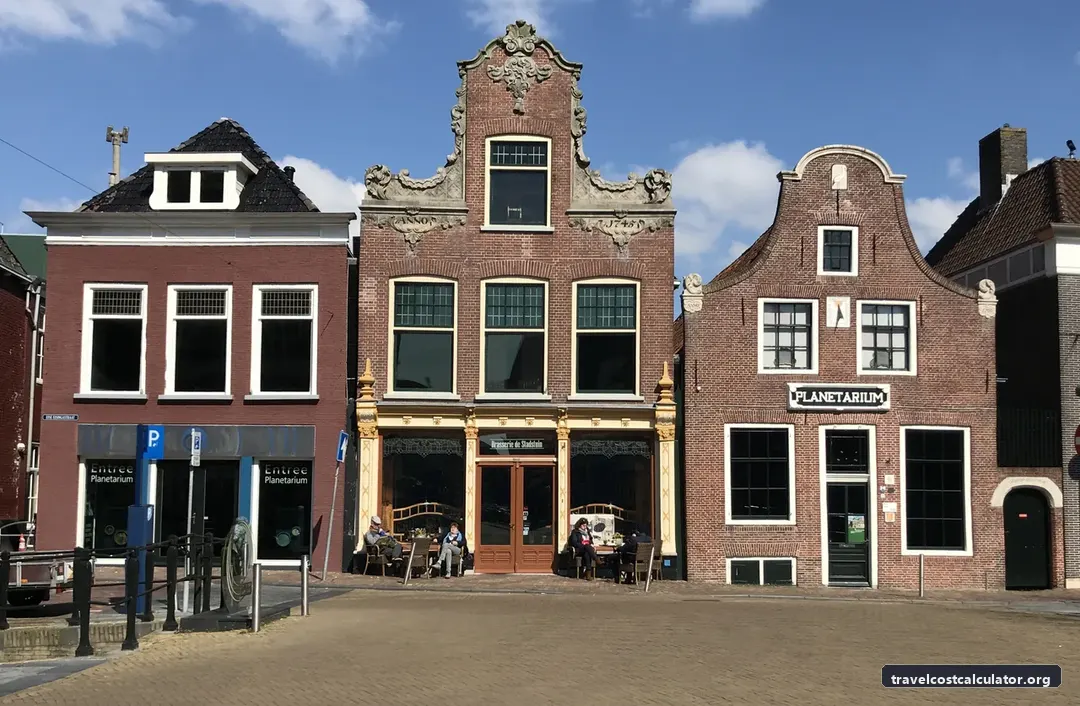
Built between 1774 and 1781, this property is a moving mechanical scale model of the solar system as it was known at the time.
Eisinga Planetarium in Franeker
🏛️ Overview & Historical Significance
Nestled in the picturesque canal-ringed town of Franeker in the northern province of Friesland, the Royal Eise Eisinga Planetarium holds a unique place in human history. In September 2023, UNESCO officially designated this extraordinary site as a World Heritage Site, recognizing it as the oldest continuously operating mechanical planetarium in the world. Built entirely inside the living room ceiling of an 18th-century wool comber and self-taught astronomer, Eise Eisinga, this mechanical masterpiece has accurately tracked the motion of the solar system every day since its completion in 1781.
The motivation behind Eisinga’s monument was not merely scientific curiosity; it was born out of a desire to combat public panic. In 1774, a pamphlet published by a local minister predicted that an impending conjunction of Jupiter, Mars, Venus, Mercury, and the Moon would cause the Earth to collide with other celestial bodies and burn to a cinder. Realizing that astronomical illiteracy was feeding mass hysteria, Eisinga set out to construct a living, working model of the solar system in his home to visually demonstrate the orderly, predictable nature of planetary orbits.
Working tirelessly between 1774 and 1781, Eisinga transformed his living room (Planetariumkamer) into a celestial theater. Driven by a complex network of hand-carved wooden gears, iron pins, and nine pendulum-driven weights concealed behind the ceiling and above in the attic, the system operates in real-time. Sun, Earth, Moon, and the known planets of his era (Mercury, Venus, Mars, Jupiter, and Saturn) rotate around the ceiling fixture at precise speed ratios. The craftsmanship was so impressive that King William I bought the residence for the Dutch state in the 1800s. Today, step inside this intimate living room museum to witness an unparalleled fusion of Enlightenment-era science, master carpentry, and timeless astronomical brilliance.
🎟️ Entrance Fees, Opening Hours & Ticket Booking Tips
Visiting the Eisinga Planetarium requires a bit of planning due to the limited capacity of the historic living room area. Below are the updated ticket rates, hours, and logistical guidelines for 2026.
2026 Estimated Entrance Fees
-
✦
Adults (18+): €8.50 (~$9.35 USD)
-
✦
Youth & Children (Ages 4–17): €5.00 (~$5.50 USD)
-
✦
Children (Under 4 years): Free
-
✦
Dutch Museum Card (Museumkaart) / ICOM Members: Free (timed slot registration mandatory)
Opening Hours & Schedule
-
✦
Tuesday through Saturday: 10:00 AM – 5:00 PM
-
✦
Sundays: 11:00 AM – 5:00 PM
-
✦
Mondays: Open 11:00 AM – 5:00 PM during peak summer season (April through October) and Dutch school holidays; closed on Mondays during winter months.
Pro Ticket Booking Tips for 2026
Following its UNESCO designation, visitor volume has steadily increased. To ensure seamless entry, keep these strategic booking practices in mind:
-
✦
Reserve Online in Advance: Book your timed-entry tickets through the official website at least 1–2 weeks before your visit during the high summer season (June–August).
-
✦
Audio Guides & Presentation: Admission includes access to periodic multi-language audio explanations inside the main planetarium room. Sit along the historical wall-benches and listen to the automated 15-minute presentation explaining how Eisinga designed the gears.
-
✦
Combining Visits: If traveling around Friesland, pair your visit with a regional culture pass or visit nearby historic sites like Museum Martena in Franeker for reduced entry bundles.
🚌 How to Get There & Local Transit Costs
Franeker is located in Friesland in the northern Netherlands. Though it feels worlds away from the urban bustle of Randstad, it is straightforward to reach using the efficient Dutch national railway network (NS) and regional Arriva trains.
From Amsterdam Travel Budget (Schiphol Airport or Amsterdam Centraal)
Traveling from Amsterdam to Franeker takes roughly 2 hours to 2 hours and 15 minutes via train:
-
✦
Board an NS Intercity train from Amsterdam Centraal bound for Leeuwarden (or transfer via Zwolle).
-
✦
At Leeuwarden Station, make a quick platform cross-platform transfer to the Arriva regional train heading toward Harlingen Haven.
-
✦
Disembark at Franeker Station (approx. 15 minutes from Leeuwarden).
-
✦
Transit Cost (2026 estimate): A standard single second-class train ticket costs approximately €29.50 – €33.00 ($32.50 – $36.00 USD) one-way. Use an OV-chipkaart or tap in/out directly with a contactless credit/debit card (OVpay).
From Leeuwarden (Regional Hub)
If basing yourself in Leeuwarden, the journey to Franeker is quick and budget-friendly:
-
✦
Train (Arriva): 15 minutes direct journey. Departs twice per hour. Cost: €4.60 (~$5.00 USD) one-way.
-
✦
Bus (Arriva Line 74 / Line 97): 25 minutes. Cost: €4.20 (~$4.60 USD) one-way.
Walking from Franeker Station to the Planetarium
The planetarium is located at Eise Eisingastraat 3. From the station, it is a scenic 700-meter (8 to 10-minute) walk through Franeker’s historical city center, across tree-lined canals and cobblestone lanes.
Driving & Parking Details
Driving from Amsterdam takes around 1 hour and 30 minutes via the A7 highway crossing the famous Afsluitdijk causeway. Park your car at the Bloemketerp or Leeuwarderend parking lots on the edge of the historical center. Parking costs approximately €1.50 – €2.50 per hour, or €6.00 – €8.00 per day, a fraction of Amsterdam parking fees.
📸 Best Photography Spots & Insider Visit Hacks
Capturing the intimate beauty of the world's oldest functional planetarium requires an eye for detail and respect for the venue's delicate historic interior.
Top Photography Spots
-
✦
The Planetarium Living Room Ceiling (Planetariumkamer): Stand near the edge of the room to capture the hand-painted royal blue ceiling adorned with golden planetary orbits and astrological zodiac dials. A wide-angle lens (16–24mm equivalent) is essential here due to the low ceiling height.
-
✦
The Attic Mechanism (Radwerk): Head up the narrow wooden stairs to the attic above the living room ceiling. Photograph the intricate matrix of thousands of hand-cut wooden teeth, iron pins, and swinging pendulum weights that drive the clockwork engine.
-
✦
The Facade over the Canal: Step across the canal bridge directly outside on Eise Eisingastraat. Shoot back toward the museum’s step-gabled brick exterior, capturing the historic reflection in the water.
-
✦
The Historical Astronomy Exhibits: The adjoining townhouses contain historic telescopes, sundials, and 18th-century scientific instruments bathed in natural window light.
Insider Hacks to Beat Crowds & Enhance Your Visit
-
✦
Timing is Everything: Book the first morning slot at 10:00 AM or an afternoon slot after 3:30 PM. Tour groups and school parties typically arrive between 11:30 AM and 2:00 PM.
-
✦
No Flash Photography Rule: Flash photography is strictly forbidden to preserve the 18th-century milk paint on the wooden ceiling. Ensure your smartphone or camera camera has solid low-light capability and image stabilization.
-
✦
Explore the "Secret" Bed Cupboard: Don't miss Eisinga’s built-in bed cupboard (bedstee) directly under the planetary machinery. Notice how little space he had to sleep, right beneath the ticking weight box!
-
✦
Seasonal Tip: Spring (April–May) is ideal. Combine your trip to Franeker with the blooming tulip fields in nearby western Friesland and comfortable, mild weather.
🏨 Nearby Accommodation & Daily Budget Allocation
Franeker offers authentic Frisian hospitality. Staying overnight allows you to experience this historic town after day-trippers have departed.
Recommended Accommodations
-
✦
Budget: Stadsherberg Het Wapen van Gouda — Cozy, traditional inn located right in the center of town along the canal ring. Rates: €70 – €95 / night ($77 – $105 USD).
-
✦
Mid-Range: Hotel De Stadsherberg Franeker — Charming boutique property within a 5-minute walk of the planetarium, featuring comfortable amenities and Frisian breakfast. Rates: €115 – €155 / night ($126 – $170 USD).
-
✦
Boutique Luxury (Leeuwarden Base): Post-Plaza Hotel & Grand Café (Located in nearby Leeuwarden) — Set in a restored nineteenth-century post office, ideal for travelers wanting upscale comfort 15 minutes away by train. Rates: €170 – €240 / night ($187 – $264 USD).
Dining Costs Near Eisinga Planetarium
-
✦
Casual Lunch: Coffee & Frisian Sûkerbôle (sugar bread) or a lunchtime panino at local bakeries: €6 – €12 ($6.60 – $13.20 USD).
-
✦
Traditional Lunch / Cafe Dining: Lunch at De Bogt fen Guné (the oldest student pub in the Netherlands, dating back to 1647): €14 – €22 ($15.40 – $24.00 USD).
-
✦
Three-Course Dinner: Mid-range dining at canal-side bistros serving fresh local fish and regional dishes: €35 – €55 ($38.50 – $60.00 USD) per person.
Sample Daily Budget Breakdown (Per Person)
Here is what to budget for a complete 1-day itinerary visiting Eisinga Planetarium in 2026:
-
✦
Day-Tripper Budget (Traveling from Leeuwarden):
- Round-trip Arriva train ticket: €9.20
-
✦
Planetarium Admission: €8.50
-
✦
Casual Lunch & Coffee: €15.00
-
✦
Town souvenir & snack: €8.00
-
✦
Total Estimated Cost: €40.70 (~$45.00 USD)
- Hotel room share (mid-range): €65.00
Frequently Asked Questions
Essential visitor FAQs for Eisinga Planetarium in Franeker
What is the entrance fee for Eisinga Planetarium in Franeker?
How much time do you need to explore Eisinga Planetarium in Franeker?
How do I get to Eisinga Planetarium in Franeker from the nearest city?
📊 Heritage Quick Specs
Visiting Netherlands on a Budget?
Calculate your full daily travel budget for Netherlands — including hotel costs, local transport, food, and sightseeing expenses.
View Netherlands Daily Travel Costs →Explore more UNESCO World Heritage Sites
🏛️ All 1,200+ Heritage Sites →