
 Solomon Islands
East Rennell
East Rennell makes up the southern third of Rennell Island, the southernmost island in the Solomon Island group in the western Pacific.
East Rennell
🏛️ Overview & Historical Significance
Inscribed as a UNESCO World Heritage Site in 1998, East Rennell forms the southern third of Rennell Island (Mu Nggava), the southernmost island in the Solomon Islands archipelago. Spanning approximately 37,000 hectares alongside a marine area extending three nautical miles out to sea, it is recognized globally as the largest raised coral atoll in the world. What makes East Rennell exceptionally unique in the annals of international conservation is that it was the first natural property added to the UNESCO World Heritage list under customary land ownership and management—meaning the land remains under the stewardship of the indigenous Polynesian community rather than a state government agency.
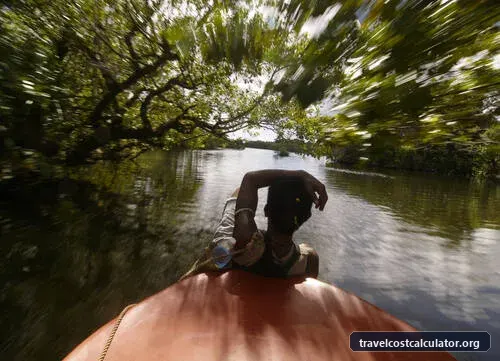
The crown jewel of East Rennell is Lake Tegano (Lake Te Nggano), formerly the central lagoon of the ancient elevated atoll. Spanning 15,500 hectares, Lake Tegano is the largest body of landlocked brackish water in the insular Pacific. Surrounded by dense, undisturbed tropical rainforest perched atop jagged limestone karst cliffs, the lake’s isolated evolutionary conditions have created a natural laboratory of high endemism. Visitors step into a realm home to 10 endemic plant species, four endemic bird species—including the rare Rennell Shrikebill and Bare-eyed White-eye—and the Crocker's Sea Snake (Laticauda crockeri), a venomous marine snake species found nowhere else on Earth but inside the brackish waters of Lake Tegano.
Despite its breathtaking biodiversity, East Rennell was placed on the UNESCO List of World Heritage in Danger in 2013 due to commercial logging threats on the non-protected western side of the island, introduced invasive species (such as rats and black giant snails), and the challenges of climate change. Visiting East Rennell in 2026 offers rare, humble access to one of the planet’s most pristine, fragile eco-realms, where eco-tourism dollars directly empower the local customary owners to preserve their heritage against industrial exploitation.
🎟️ Entrance Fees, Opening Hours & Ticket Booking Tips
Unlike conventional national parks, East Rennell has no digital booking portal, visitor center, or official government ticketing office. Tourism is managed organically by the local landholding communities of villages surrounding Lake Tegano (primarily Niupani, Hutuna, and Tegano Village).
Estimated 2026 Entry & Site Permit Costs
-
✦
Customary Landowner Entrance Fee: SBD 150 – SBD 300 per person (~$18 – $36 USD). Paid in cash directly to the village chief or conservation committee upon arrival at Lake Tegano.
-
✦
Compulsory Local Guide Fee: SBD 150 – SBD 250 per day (~$18 – $30 USD). Local guides are essential to navigate custom boundaries, taboo (tapu) sites, and rainforest trails safely.
-
✦
Lake Boat Entry Access Fee: SBD 100 – SBD 200 (~$12 – $24 USD) per group, paid to local boat owners who navigate Lake Tegano.
Opening Hours & Booking Best Practices
There are no strict opening or closing hours; operations run from sunrise to sunset. However, traveling after dusk on Lake Tegano or through the forest is strictly avoided for safety and cultural reasons.
Crucial Booking Tips for 2026:
-
✦
Cash is King: There are no ATMs, credit card readers, or banking facilities anywhere on Rennell Island. You must withdraw all required Solomon Islands Dollars (SBD) in Honiara Travel Budget before flying to the island. Bring extra small bills (SBD 20, 50, 100 notes).
-
✦
Advance Permission: While you cannot book a "ticket" online, it is strongly advised to notify the Solomon Islands Ministry of Culture and Tourism in Honiara or a specialized eco-expedition operator at least 2–4 weeks in advance so message can be relayed to the village chiefs on Rennell.
-
✦
Respect Customary Protocols (Kastom): Always ask permission from village elders before taking photos of villages, sacred sites, or local residents. Wearing modest clothing inside villages is mandatory.
🚌 How to Get There & Local Transit Costs
Reaching East Rennell is a genuine expedition. The island lies roughly 250 kilometers south of Honiara (the capital of the Solomon Islands on Guadalcanal). You must combine domestic air or sea travel with rugged overland 4WD transport and motorized canoes.
Step 1: Honiara to Rennell Island (Tingoa Airstrip)
-
✦
By Air (Recommended): Solomon Airlines operates 1 to 2 weekly flights from Honiara International Airport (HIR) to Tingoa Airstrip (RNL) in West Rennell aboard 19-seater Twin Otter aircraft. Flight time is approximately 1 hour.
- 2026 Estimated Airfare: SBD 3,600 – SBD 5,200 (~$420 – $610 USD) round-trip. Flight schedules are highly subject to weather delays; build buffer days into your itinerary.
- 2026 Estimated Ferry Fare: SBD 500 – SBD 800 (~$60 – $95 USD) one-way. Transit takes 24 to 40 rough hours. Ships are unscheduled, bare-bones, and not recommended for typical tourists.
Step 2: Tingoa Airstrip to Lake Tegano (East Rennell)
Upon landing at Tingoa, you must arrange transit across the island to the edge of Lake Tegano (approx. 40 km east over exceptionally rough, unpaved logging roads made of sharp coral limestone and heavy mud).
-
✦
4WD Open Truck Hire: SBD 600 – SBD 1,200 (~$70 – $140 USD) per vehicle journey, usually shared among arriving passengers. The ride takes 2.5 to 4 hours depending on road conditions.
Step 3: Crossing Lake Tegano to East Rennell Villages
The road ends at the western edge of Lake Tegano (near Labagu). To reach the East Rennell communities of Niupani or Hutuna, you will transfer to a motorized wooden dugout canoe.
-
✦
Motorized Canoe Transfer: SBD 200 – SBD 400 (~$24 – $48 USD) per boat trip, including driver and fuel costs.
📸 Best Photography Spots & Insider Visit Hacks
Top Photography Locations
-
✦
Lake Tegano Karst Islands: Dozens of small, heavily forested limestone islets dot the brackish lake. Capture them from a canoe at first light (6:00 AM – 7:30 AM) when the lake water transforms into a mirror reflecting misty cloud formations and jagged coral pinnacles.
-
✦
Niupani Village Lookout: A short, steep hike above Niupani village provides a sweeping panoramic view across the vastness of Lake Tegano meeting the dense rainforest horizon of the UNESCO boundary.
-
✦
Crocker's Sea Snake Spotting: Photographing the endemic Laticauda crockeri swimming along the clear, shallow fringes of the lake. Note: Use a telephoto lens or waterproof camera housing; while non-aggressive, they are venomous.
-
✦
Rainforest Bird Canopy Trails: Early morning guided birdwatching hikes along the rim of the former atoll wall offer chances to photograph the rare Rennell Flying Fox (fruit bat) and endemic songbirds.
Insider Travel Hacks for 2026
-
✦
Best Seasonal Window: Visit during the drier months between May and October. The monsoon season (November through April) brings torrential rains, flooding mud tracks, rendering the 4WD road impassable and causing domestic flight cancellations.
-
✦
Pack Off-Grid Essentials: Bring high-capacity solar power banks (electricity in villages relies on small generators run for only 1–2 hours per evening), waterproof dry bags for all electronic equipment, a satellite messenger (e.g., Garmin InReach), headlamps, and a personal water purifier (Sawyer Squeeze or Grayl bottle).
-
✦
Medical & Health Precautions: Rennell is extremely remote with only basic rural health clinics. Carry a complete first-aid kit, prescription malaria prophylaxis, anti-diarrheal medication, insect repellent with high DEET content, and comprehensive medical evacuation insurance.
🏨 Nearby Accommodation & Daily Budget Allocation
Do not expect luxury resorts, hot showers, or air conditioning on Rennell Island. Accommodation in East Rennell consists of authentic, community-run eco-guesthouses and village homestays built using traditional timber and thatched sago-palm roofs.
Recommended Eco-Lodges & Homestays
-
✦
Niupani Eco-Lodge / Village Guesthouses: Simple wood-frame bungalows located right on the edge of Lake Tegano. Rooms feature basic mattress beds with mosquito netting and shared pit/drop toilets or bucket-flush bathrooms.
- Cost: SBD 250 – SBD 450 (~$30 – $53 USD) per person per night, typically including three simple home-cooked daily meals.
- Cost: SBD 200 – SBD 350 (~$24 – $41 USD) per night including meals.
Daily Budget Breakdown (Per Person, USD, 2026 Estimates)
| Travel Style | Daily Accommodation & Meals | Local Transit & Tours | Total Estimated Daily Cost (Excl. Flights) |
|---|---|---|---|
| Budget / Independent | $25 – $35 USD | $20 – $30 USD (Shared boats & walking) | $45 – $65 USD |
| Mid-Range Eco-Explorer | $45 – $60 USD | $50 – $80 USD (Private guide & canoe hire) | $95 – $140 USD |
| Expedition / Guided Charter | $70 – $100 USD | $150 – $250 USD (Dedicated 4WD & private motorboat) | $220 – $350 USD |
Note: Always factor in your return domestic flight cost from Honiara (~$420 - $610 USD) when calculating your overall expedition budget.
Frequently Asked Questions
Essential visitor FAQs for East Rennell
What is the entrance fee for East Rennell?
How much time do you need to explore East Rennell?
How do I get to East Rennell from the nearest city?
📊 Heritage Quick Specs
Visiting Solomon Islands on a Budget?
Calculate your full daily travel budget for Solomon Islands — including hotel costs, local transport, food, and sightseeing expenses.
View Solomon Islands Daily Travel Costs →Explore more UNESCO World Heritage Sites
🏛️ All 1,200+ Heritage Sites →