
 Senegal
Djoudj National Bird Sanctuary
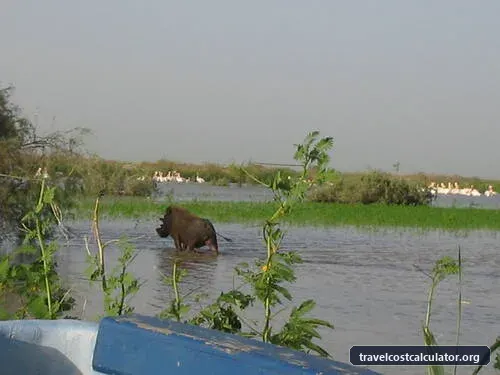
Situated in the Senegal River delta, the Djoudj Sanctuary is a wetland of 16,000 ha, comprising a large lake surrounded by streams, ponds and backwaters.
Djoudj National Bird Sanctuary
🏛️ Overview & Historical Significance
Sprawling across 16,000 hectares of lush wetlands, lagoons, streams, and flooded savanna along the Senegal River delta, the Djoudj National Bird Sanctuary (Parc National des Oiseaux du Djoudj) stands as one of Africa's most breathtaking ecological treasures. Situated in northwestern Senegal, approximately 60 kilometers north of the historic island city of Saint-Louis Travel Budget, this vital wetland sanctuary serves as the first permanent water oasis for millions of migratory birds after completing their grueling, non-stop flight over 2,000 kilometers of the Sahara Desert.
In 1981, UNESCO officially designated Djoudj National Bird Sanctuary as a World Heritage site under Criterion (x), recognizing it as an irreplaceable habitat of global conservation significance. It is widely considered the third-largest bird sanctuary in the world. Every winter between November and April, over 1.5 million to 3 million birds hailing from European and Siberian breeding grounds converge upon Djoudj, joining hundreds of thousands of resident African species.
The crown jewel of Djoudj's wildlife spectacle is its massive breeding colony of the Great White Pelican (Pelecanus onocrotalus). During peak months, the park's central pelican island becomes a bustling metropolis where upwards of 10,000 pelican pairs nest, incubate eggs, and rear squawking chicks. Beyond pelicans, the sanctuary hosts vast concentrations of Greater Flamingos, Lesser Flamingos, African Spoonbills, White-faced Whistling Ducks, Purple Herons, Night Herons, Cormorants, and Ospreys. The wetland Ecosystem also supports diverse terrestrial fauna, including Nile crocodiles, African monitor lizards, warthogs, golden jackals, and rare West African manatees.
🎟️ Entrance Fees, Opening Hours & Ticket Booking Tips
Visiting Djoudj in 2026 requires understanding the park's seasonal operational structure. The sanctuary is open exclusively during the dry season, operating from November 1 to April 30 (occasionally extending into mid-May depending on seasonal rains). The park is closed to visitors during the rainy season (July to October) due to heavy flooding and muddy access tracks.
Standard Opening Hours: Daily from 8:00 AM to 6:00 PM (Last boat excursions depart around 4:30 PM).
2026 Estimated Pricing Breakdown (in XOF & USD)
-
✦
Park Entrance Pass (Adult Foreigners): 5,000 XOF (~$8.20 USD) per person.
-
✦
Park Entrance Pass (Children under 12): 2,500 XOF (~$4.10 USD) per person.
-
✦
Vehicle Park Entry Fee: 5,000 XOF (~$8.20 USD) per light vehicle/4x4.
-
✦
Motorized Pirogue Boat Tour (Shared): 6,000 to 8,000 XOF (~$10.00 – $13.00 USD) per person for a 1.5 to 2-hour guided boat trip to the pelican nesting colony.
-
✦
Private Pirogue Boat Rental: 40,000 to 50,000 XOF (~$65.00 – $82.00 USD) for small groups desiring exclusive birding photography access.
-
✦
Official Park Guide Fee: 5,000 to 10,000 XOF (~$8.20 – $16.40 USD) total per group (tipping your local guide generously is strongly encouraged).
Crucial Ticket Booking & Cash Hacks
-
✦
Cash is King: There are no credit card facilities, ATMs, or electronic payment terminals at Djoudj National Park. You must carry sufficient cash in West African CFA Francs (XOF). Bring smaller bills (1,000 and 2,000 XOF) as park rangers and local pirogue operators rarely have change for large 10,000 XOF notes.
-
✦
No Advance Online Booking: Tickets are purchased in person at the park reception gate (Point d'Accueil). If you book through a tour operator in Saint-Louis or Dakar Travel Budget, ensure your package explicitly includes entrance permits, boat fees, and local guide surcharges.
-
✦
Morning Arrival: Arrive at the ticket booth right as the gate opens at 8:00 AM. Boat slots fill quickly with tour buses arriving from Saint-Louis by mid-morning.
🚌 How to Get There & Local Transit Costs
Djoudj is located in a semi-remote region of northwestern Senegal. The primary gateway city for all excursions is Saint-Louis, located approximately 60 kilometers (37 miles) south of the sanctuary gate. Travel times between Saint-Louis and Djoudj average 1.5 hours each way due to unpaved dirt roads (pistes) leading into the reserve.
Step 1: Traveling from Dakar to Saint-Louis
-
✦
Express Bus (Senegal Dem Dikk / Dakar Dem Dikk): Modern air-conditioned buses depart daily from Dakar's main terminals to Saint-Louis. Fares cost approximately 5,000 to 7,000 XOF (~$8.00 – $11.50 USD) one-way. Journey duration: 4 to 5 hours via the Autoroute de l'Avenir (Illico/N2 highway).
-
✦
Shared Taxi ("Sept-Place"): Traditional 7-seater Peugeot station wagons depart from Dakar’s Gare Routière des Beaux Maraîchers. A single seat to Saint-Louis costs roughly 6,500 to 8,500 XOF (~$10.50 – $14.00 USD).
-
✦
Private Taxi / Hired Vehicle: Direct private transfer from Dakar International Airport (DSS) or central Dakar to Saint-Louis costs between 50,000 and 75,000 XOF (~$82.00 – $123.00 USD) each way.
Step 2: Traveling from Saint-Louis to Djoudj Sanctuary
-
✦
Private Hired Taxi / 4x4 Day Charter (Recommended): Renting a private taxi or 4WD vehicle with a driver for the full day from Saint-Louis is the most practical and stress-free option. Expect to pay between 35,000 and 50,000 XOF (~$57.00 – $82.00 USD). This rate includes round-trip transit, fuel, driver compensation, and waiting time while you explore the sanctuary. Negotiate and fix the price before departure.
-
✦
Budget Public Transit Route: Take a shared sept-place or local minibus (car rapide) from Saint-Louis toward the town of Ross Béthio (~1,500 XOF / $2.50 USD). From Ross Béthio junction, hire an informal local taxi or motorized tricycle (jakarta) to navigate the remaining dirt tracks to the Djoudj entrance (~8,000 – 12,000 XOF round-trip). Note: Finding return transport from the park gate back to Ross Béthio can be difficult late in the afternoon.
-
✦
All-Inclusive Guided Tours from Saint-Louis: Local agencies and hotels in Saint-Louis offer package day excursions ranging from 35,000 to 55,000 XOF (~$57.00 – $90.00 USD) per person, covering door-to-door transport, park fees, pirogue boat rides, and guide services.
📸 Best Photography Spots & Insider Visit Hacks
Djoudj is a world-class wildlife photography destination. Capturing thousands of pelicans taking flight against golden Sahelian wetland backdrops requires proper timing, positioning, and gear preparation.
Top 3 Photography Locations Inside the Park
-
✦
Le Nichoir des Pélicans (The Pelican Colony Platform): Reached exclusively by motorized pirogue boat along the river channels. The boat pauses near a massive sandbank platform where tens of thousands of pelicans gather. You will capture close-ups of nesting mothers, feeding rituals, and dramatic synchronized flight patterns.
-
✦
Grand Lac Observation Hides & Watchtowers: Strategic wooden hides positioned along the primary lake permit birdwatchers to photograph delicate Greater Flamingos wading through shallow saline waters, alongside Black-tailed Godwits and Spoonbills.
-
✦
The Savanna Floodplain Tracks: While driving or walking between the reception center and the boat launch, keep your camera ready for terrestrial encounters. Warthog families, monitor lizards basking on mudbanks, and golden jackals frequently cross the tracks against dusty acacia tree silhouettes.
Insider Visit Hacks for 2026
-
✦
Optimal Seasonal Timing: Visit between December and February. This window coincides with peak Palearctic migratory bird populations and active pelican chick rearing. By late March and April, many migratory species begin heading north to Europe, and midday temperatures climb significantly.
-
✦
Best Time of Day: Schedule your boat excursion during the first morning slot (8:30 AM – 10:00 AM). Morning sunlight casts a warm golden hue over the water, bird activity is at its peak, and water surfaces remain smooth and reflective. Late afternoon (4:00 PM – 5:30 PM) is also excellent for sunset silhouette photography.
-
✦
Camera Equipment Guidance: Bring a telephoto lens with a focal length of at least 300mm to 600mm to shoot wildlife safely without causing stress to nesting colonies. Pack quality dust covers, sealable lens bags, and lens cleaning cloths—dry Harmattan winds blow fine Saharan dust across Senegal during winter months.
-
✦
Insect Protection & Health: Although winter is dry, standing marshlands host active mosquito populations at dawn and dusk. Apply DEET-based insect repellent, wear light-colored long-sleeve shirts, and carry plenty of bottled drinking water to combat dehydration in the dry Sahelian heat.
🏨 Nearby Accommodation & Daily Budget Allocation
While some travelers opt to stay right outside the park gates for early sunrise access, the majority of visitors base themselves in the historic colonial city of Saint-Louis, combining a heritage city break with a nature safari.
Accommodation Options
-
✦
Budget / Authentic Stay (Near Park Gate): Campement Villageois de Djoudj / Le Djoudj Campement – Located directly adjacent to the park entrance. Offers simple, rustic thatched-roof bungalows and basic rooms. Nightly rates range from 15,000 to 25,000 XOF (~$25.00 – $41.00 USD). Features home-cooked traditional Senegalese meals and unmatched proximity for dawn birding.
-
✦
Mid-Range Hotel (Saint-Louis Island): Hôtel de la Poste or Hôtel Résidence – Charming, historic boutique hotels situated on Saint-Louis' UNESCO-listed island. Nightly rates range from 45,000 to 85,000 XOF (~$74.00 – $139.00 USD). Offers air-conditioned rooms, Wi-Fi, swimming pools, and on-site restaurants.
-
✦
Luxury / Boutique Hotel (Saint-Louis): Hôtel Maison Rose or Jardin Surtout – High-end colonial heritage properties featuring refined decor, river views, and gourmet dining. Nightly rates range from 90,000 to 140,000 XOF (~$147.00 – $230.00 USD).
Dining & Local Culinary Costs
Sample classic Senegalese dishes at local campements or Saint-Louis restaurants:
-
✦
Thiéboudienne (Ceebu Jën): Senegal's national dish of seasoned rice, fresh river/ocean fish, and simmered vegetables. Cost: 1,500 to 4,000 XOF (~$2.50 – $6.50 USD).
-
✦
Yassa Poulet: Tender chicken marinated in cooked onions, mustard, and lime, served over rice. Cost: 2,500 to 5,500 XOF (~$4.10 – $9.00 USD).
-
✦
Bottled Water & Soft Drinks: 500 to 1,200 XOF (~$0.80 – $2.00 USD).
Daily Budget Allocation Summary (Per Person, 2026 Estimates)
-
✦
Backpacker Budget Planner: $40.00 – $65.00 USD / day (Staying at local park campement, using public shared transit, participating in shared pirogue tours, eating local dishes).
-
✦
Mid-Range Traveler: $110.00 – $180.00 USD / day (Staying in a 3-star Saint-Louis island hotel, private day-taxi Split Travel Budget between two travelers, shared pirogue tour, dining at local restaurants).
-
✦
Luxury / Specialized Birding Traveler: $250.00 – $420.00 USD / day (Staying in top boutique heritage hotel, private dedicated 4x4 vehicle with driver, private pirogue rental for photography, specialized ornithology guide fees).
Frequently Asked Questions
Essential visitor FAQs for Djoudj National Bird Sanctuary
What is the entrance fee for Djoudj National Bird Sanctuary in 2026?
How much time do you need to explore Djoudj National Bird Sanctuary?
How do I get to Djoudj National Bird Sanctuary from Saint-Louis?
📊 Heritage Quick Specs
Visiting Senegal on a Budget?
Calculate your full daily travel budget for Senegal — including hotel costs, local transport, food, and sightseeing expenses.
View Senegal Daily Travel Costs →Explore more UNESCO World Heritage Sites
🏛️ All 1,200+ Heritage Sites →