
 Panama
Darien National Park
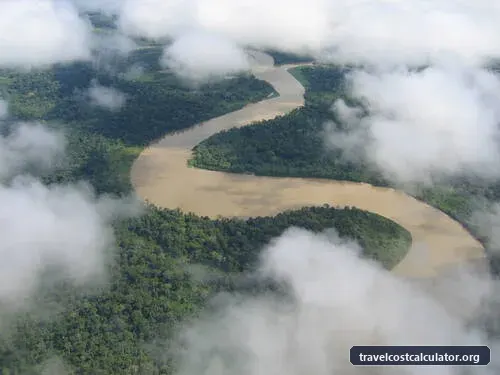
Forming a bridge between the two continents of the New World, Darien National Park contains an exceptional variety of habitats – sandy beaches, rocky coasts, mangroves, swamps, and lowland and upland tropical forests containing remarkable wildlife.
Darien National Park
🏛️ Overview & Historical Significance
Stretching across 5,790 square kilometers of pristine tropical rainforest, rugged mountain ranges, and dense mangrove swamps, Darien National Park (Parque Nacional Darién) is Central America’s largest national park and one of the world's most untamed wildernesses. Designated a UNESCO World Heritage site in 1981 (and later recognized as a Biosphere Reserve in 1983), the park serves as a vital ecological bridge connecting the North and South American continents.
The site's UNESCO designation rests on its extraordinary, unbroken biodiversity and immense evolutionary value. Darien acts as a living laboratory: it harbors more than 500 species of birds—including the endangered Harpy Eagle (Panama’s national bird)—as well as rare mammals like the jaguar, Baird’s tapir, giant anteater, and Geoffroy’s spider monkey. Beyond its natural wonders, Darien National Park holds deep human history. It is the ancestral home of indigenous peoples, notably the Emberá and Wounaan, who have lived harmoniously within these forests for centuries, maintaining their traditional customs, craftmanship, and forest stewardship.
Visiting Darien National Park in 2026 is not a standard vacation; it is a true expedition. Due to its dense terrain, lack of paved roads, and the infamous "Darién Gap"—the missing link in the Pan-American Highway—exploring this sanctuary requires careful planning, official permits, and local indigenous guides.
🎟️ Entrance Fees, Opening Hours & Ticket Booking Tips
Entering Darien National Park requires compliance with Panamanian environmental authorities and security check-ins. You cannot simply show up at a turnstile; all visits must be pre-arranged and registered with MiAmbiente (Panama’s Ministry of Environment) and SENAFRONT (National Border Service).
-
✦
MiAmbiente Park Entrance Permit (2026 Rates): $10 USD per day for international adult visitors; $3 USD for Panamanian residents and citizens.
-
✦
Mandatory Expedition & Guide Fees: Independent solo travel inside park boundaries is strictly prohibited for safety and conservation reasons. All visitors must hire certified local guides or book through licensed eco-tour operators. Guided expedition costs range from $150 to $350 USD per day per person, which typically covers park permits, indigenous community host fees, local guide stipends, river transportation, and emergency logistics.
-
✦
Opening Hours: Park ranger stations (such as Rancho Frío and Cana) officially operate from 6:00 AM to 5:00 PM daily. However, overnight multi-day trekking tours are the standard way to experience the park.
Crucial Booking Tips for 2026:
Submit your permit applications at least 3 to 4 weeks in advance through a registered tour agency in Panama City Travel Budget or directly via MiAmbiente’s regional office in Metetí. Always carry color passport copies and your physical passport; SENAFRONT checkpoints along the Pan-American Highway and river junctions conduct mandatory security verifications.
🚌 How to Get There & Local Transit Costs
Reaching Darien National Park involves a multi-stage journey combining overland road trips, traditional river dugout canoes (piraguas), and backcountry trekking. The primary gateway city is Panama City.
Step 1: Panama City to Metetí or Yaviza (Overland)
From Panama City’s Gran Terminal de Transporte at Albrook, take an express long-distance bus heading east along the Pan-American Highway toward Darién Province.
-
✦
Bus to Metetí / Yaviza: Departs daily between 4:00 AM and 12:00 PM. Fares cost approximately $9 to $14 USD one-way per person and take 5 to 7 hours depending on road conditions and SENAFRONT passport checkpoints.
-
✦
Private 4x4 Transport: Renting a 4WD vehicle from Panama City costs roughly $65 to $110 USD per day (plus gas and highway tolls). Note that rental vehicle insurance typically invalidates driving off paved roads beyond Yaviza.
Step 2: Yaviza to El Real de Santa María (River Transit)
Yaviza marks the literal end of the Pan-American Highway. From here, travel shifts entirely to the water.
-
✦
Motorized Dugout Canoe (Piragua): At the Yaviza river docks on the Chucunaque River, hire a local motorized piragua down to El Real de Santa María. Shared seats cost approximately $15 to $25 USD, while private chartering of a boat costs between $80 and $140 USD depending on water levels and fuel prices. Travel time is around 1.5 to 2.5 hours.
Step 3: El Real to the Park Ranger Stations
-
✦
To Rancho Frío Ranger Station: From El Real, take a local 4x4 truck or tractor ride to the trailhead at Filo del Tallo (approx. $10 - $20 USD), followed by a 3- to 4-hour hike into the Rancho Frío station at the foot of Cerro Pirre.
-
✦
Air Charters (Alternative): Private charter flights (6- to 9-seater light aircraft) operate from Panama City’s Marcos A. Gelabert Airport (PAC) to small airstrips in Garachiné or El Real. Rates range from $350 to $600 USD per seat round-trip, subject to weather conditions and landing strip availability.
📸 Best Photography Spots & Insider Visit Hacks
Top Photography Locations:
-
✦
Cerro Pirre Canopy & Trails: The misty high-altitude rainforest surrounding Cerro Pirre provides breath-taking canopy vistas and is famous worldwide for birdlife photography (spotting toucans, macaws, and tanagers).
-
✦
Rancho Frío Waterfall: A serene jungle waterfall surrounded by primary rainforest wall foliage, ideal for long-exposure photography during mid-morning light.
-
✦
Tuira and Chucunaque Rivers at Sunrise: Capture mirror-like river reflections, morning mist rising off the primary forest canopy, and indigenous rivermen navigating motorized piraguas.
-
✦
Emberá Community Encounters: Document rich cultural traditions, intricate tagua nut carvings, woven baskets, and traditional body painting (always ask permission before photographing individuals).
Insider Visit & Survival Hacks:
-
✦
Visit During the Dry Season: Plan your trip between January and April. The wet season (May to December) brings torrential rain, swollen rivers that render boat travel dangerous, and knee-deep mud along hiking trails.
-
✦
Invest in Dry Bags: River travel means heavy water splash and sudden tropical downpours. Store all camera gear, power banks, and electronics in heavy-duty waterproof dry sacks (20L–30L).
-
✦
Insect Protection Strategy: Pack Permethrin-treated long-sleeve shirts, quick-dry pants, high-concentration DEET or Picaridin repellent, and a lightweight head-net for high-density mosquito zones near riverbanks.
-
✦
Cash is Mandatory: There are no ATMs past Metetí. Carry small denominations of US Dollars ($1, $5, $10, and $20 bills) to pay local boatmen, guides, community entry tokens, and hand-crafted souvenirs.
🏨 Nearby Accommodation & Daily Budget Allocation
Accommodation within Darien National Park ranges from basic rustic ranger stations and canvas tent camps to modest guesthouses in gateway towns. Luxurious resorts do not exist here; authenticity and wilderness immersion take center stage.
Accommodation Options:
-
✦
Gateway Guesthouses (Metetí & El Real): Clean, basic air-conditioned hostals with private bathrooms. Estimated rates: $35 to $75 USD per night.
-
✦
Rancho Frío Ranger Station Bunkhouses / Campsites: Simple wooden bunkhouses or covered platforms for pitching tents and hanging hammocks (mosquito nets required). Estimated rates: $15 to $30 USD per night per person.
-
✦
Indigenous Village Homestays: Stay in traditional open-air thatch-roof huts (tambos) inside Emberá communities. Includes traditional cooked meals (fresh river fish, plantains). Estimated rates: $40 to $80 USD per night per person.
Estimated Daily Budget Breakdowns (2026):
-
✦
Budget / Self-Organized Expedition Trader: $120 - $180 USD / day
Includes long-distance public bus transit, shared piragua seats, basic park bunkhouse accommodation, self-provided food/rations, and shared local guide stipends. -
✦
Mid-Range / All-Inclusive Guided Expedition: $250 - $450 USD / day
Includes fully organized multi-day package tours out of Panama City, private river transport, permit clearance, bilingual naturalists, indigenous guides, full meal catering, and eco-lodge/camp setups.
Frequently Asked Questions
Essential visitor FAQs for Darien National Park
What is the entrance fee for Darien National Park?
How much time do you need to explore Darien National Park?
How do I get to Darien National Park from Panama City?
📊 Heritage Quick Specs
Visiting Panama on a Budget?
Calculate your full daily travel budget for Panama — including hotel costs, local transport, food, and sightseeing expenses.
View Panama Daily Travel Costs →Explore more UNESCO World Heritage Sites
🏛️ All 1,200+ Heritage Sites →