
 Romania
Danube Delta
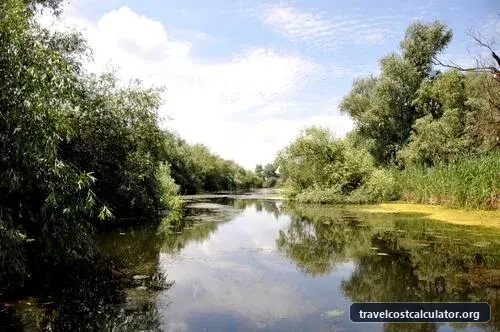
The waters of the Danube, which flow into the Black Sea, form the largest and best preserved of Europe's deltas.
Danube Delta
🏛️ Overview & Historical Significance
Stretching across Eastern Europe before emptying gracefully into the Black Sea, the Danube Delta in Romania stands as Europe's second-largest and best-preserved river delta. Recognized for its unparalleled ecological value, UNESCO officially designated the Danube Delta as a World Heritage Site in 1991, while simultaneously declaring it a Biosphere Reserve. Spanning over 2,200 square miles (5,800 square kilometers) of labyrinthine waterways, reed beds, floating islands (plaur), and ancient forests, this aquatic sanctuary represents one of the continent's last truly wild frontiers.
The historical and biological significance of the delta cannot be overstated. Geologically, the region is a dynamic ecosystem shaped over millennia by the Danube River, which splits into three main channels—Chilia (forming the northern border with Ukraine), Sulina (the central commercial channel), and Sfântu Gheorghe (the southern, meandering arm). This vast wetland acts as a crucial ecological filter and breeding ground, harboring over 300 species of birds—including Europe's largest breeding colonies of white pelicans (Pelecanus onocrotalus) and pygmy cormorants—alongside 45 native freshwater fish species, wild horses, and golden jackals.
Culturally, the delta is equally fascinating. For centuries, it has provided refuge to diverse ethnic communities, most notably the Lipovans—Russian Old Believers who fled religious persecution in the 18th century. Living in isolated, turquoise-trimmed wooden houses topped with thick thatch roofs, the Lipovans have preserved traditional fishing techniques and culinary heritage that remain central to the region's identity today.
🎟️ Entrance Fees, Opening Hours & Ticket Booking Tips
Access to the Danube Delta Biosphere Reserve (managed by Administrația Rezervației Biosferei Delta Dunării - ARBDD) requires valid entry permits. The reserve is open 24/7 year-round, but visitor regulations and fee structures are strictly enforced to protect sensitive wildlife habitats.
2026 Standard Visitor Permit Fees
-
✦
Individual Tourist Access Permit: 5 RON (~$1.10 USD) per day, 15 RON (~$3.30 USD) per week, or 30 RON (~$6.50 USD) for an annual pass. (Free for students, children under 14, and local residents).
-
✦
Car Access Permit (for permitted outer zones): 10 RON (~$2.20 USD) per day or 100 RON (~$22.00 USD) per year.
-
✦
Vessel/Boat Permit (for private craft): 20 RON to 100 RON (~$4.40 - $22.00 USD) depending on engine horsepower.
Booking Tips & Practical Logistics
Permits can be purchased digitally prior to arrival via the official ARBDD Online Portal (ddbra.ro), at automated ticket kiosks located at the ARBDD headquarters in Tulcea, or via SMS from Romanian mobile networks. It is essential to save a digital copy (PDF) on your smartphone or carry a printed copy, as eco-rangers actively conduct spot checks at channel intersections and protected zone boundaries. Fines for navigating without a permit start at 100 RON (~$22 USD).
🚌 How to Get There & Local Transit Costs
The primary gateway to the Danube Delta is the port city of Tulcea, situated approximately 285 km (177 miles) east of Bucharest Travel Budget. Because the inner delta is virtually roadless, your journey will involve a combination of overland transport to Tulcea followed by watercraft into the delta's interior villages (such as Sulina, Sfântu Gheorghe, Crișan, or Mila 23).
Step 1: Bucharest to Tulcea
-
✦
By Bus (Recommended): Daily express coaches depart from Bucharest (Autogara Filaret or Gara de Nord) directly to Tulcea's main bus terminal. Journey time is approximately 4.5 hours. Single tickets cost 75 - 90 RON (~$16 - $20 USD).
-
✦
By Train: CFR Călători operates daily trains from Bucharest Nord to Tulcea Oraș (typically requiring a quick transfer at Medgidia). Journey time takes around 4.5 to 5 hours. Standard second-class tickets cost 70 - 85 RON (~$15 - $18 USD).
-
✦
By Rental Car: Driving from Bucharest via the A2 highway toward Slobozia and taking the DN22 to Tulcea takes roughly 3.5 hours. Free and paid secure parking facilities are available around the Tulcea passenger terminal for 25 - 40 RON (~$5.50 - $8.70 USD) per day.
Step 2: Tulcea into the Delta (Water Transit)
-
✦
Navrom Public Passenger Boats (Slower & Scenic): Large passenger ferries managed by Navrom run scheduled routes connecting Tulcea to Sulina and Sfântu Gheorghe. Journey time is 3 to 4 hours. One-way fares cost 45 - 60 RON (~$10 - $13 USD).
-
✦
Fast Water Taxis / Speedboats: Private water taxi companies (such as Travel Delta or Delta Transport) offer rapid motorized transit to Sulina, Sfântu Gheorghe, or Mila 23. Journey time is reduced to 1 to 1.5 hours. One-way fares cost 90 - 130 RON (~$20 - $28 USD) per passenger.
📸 Best Photography Spots & Insider Visit Hacks
Capturing the pristine wilderness of the Danube Delta requires proper timing, specialized gear, and local knowledge. Below are the top photography locations and expert tips for maximizing your visit:
Top Photography Locations
-
✦
Letea Forest (Pădurea Letea): Located near Sulina, this is Europe's northernmost subtropical forest. Shoot dramatic images of wild horses roaming past ancient oak trees wrapped in climbing lianas, standing atop pale sand dunes.
-
✦
Roșca-Buhaiova Lake Complex: The epicenter of birdlife in Europe. Best photographed during early morning boat safaris when thousands of white pelicans take flight against mist-covered lake surfaces.
-
✦
Sulina Point (Where Danube Meets the Black Sea): Capture the contrast of river and sea currents near the historic 19th-century lighthouse during golden hour.
-
✦
Mila 23 Village: A traditional Lipovan fishing village filled with bright blue timber houses, wooden boats, and mirror-like reflections on calm water channels.
Insider Visit Hacks
-
✦
Optimal Seasons: The best overall window is May to June (peak bird migration, breeding season, spring vegetation) and September to October (crisp weather, golden autumn hues, minimal mosquitoes, and southward bird migration). July and August bring extreme heat and dense mosquito populations.
-
✦
Golden Hour Boat Charters: Hire a local fisher with a silent electric or low-speed motorboat at 5:30 AM. Birds are most active at dawn, and water conditions are calmest for reflection shots.
-
✦
Camera Equipment: Bring a telephoto zoom lens (at least 300mm to 600mm equivalent) for bird photography, along with a waterproof dry bag to protect equipment from spray and sudden rain showers.
-
✦
Insect Protection: Pack high-concentration DEET or Picaridin mosquito repellent, alongside lightweight, long-sleeved clothing for evening outings.
🏨 Nearby Accommodation & Daily Budget Allocation
Accommodation in the Danube Delta ranges from simple, family-run Lipovan guesthouses (pensiuni) serving traditional seafood to eco-luxury spa resorts and floating hotels (hoteliere plutitoare) anchored along quiet channels.
Recommended Accommodation Base Camps
-
✦
Mila 23 & Crișan: Best central hubs for wildlife enthusiasts and deep-delta exploration. Excellent traditional guesthouses.
-
✦
Sulina: Ideal for travelers seeking a mix of delta wildlife, historical architecture, and Black Sea beach relaxation.
-
✦
Sfântu Gheorghe: Offers upscale eco-resorts, quiet coastal beaches, and direct access to southern bird sanctuaries.
Local Culinary Highlights
Dining in the delta centers around fresh fish caught daily. Do not miss Storceag—a famous traditional Lipovan fish soup made with sturgeon or catfish, seasoned with garlic, dill, sour cream, and egg yolk (typically 35 - 50 RON / $8 - $11 USD per bowl). Other local specialties include Plachie de crap (carp baked with onions and tomatoes) and freshly fried Pontic shad.
Daily Budget Allocation (2026 Estimates)
Budget Traveler ($45 - $65 USD / day)
-
✦
Accommodation: Shared room or basic traditional guesthouse (110 - 160 RON / $24 - $35 USD)
-
✦
Meals: Local fish soup and home-cooked meals (60 - 80 RON / $13 - $17 USD)
-
✦
Transport & Tours: Public Navrom ferry & shared rowboat trips (35 - 60 RON / $8 - $13 USD)
Mid-Range Traveler ($120 - $190 USD / day)
-
✦
Accommodation: Comfortable 3-star guesthouse or floating hotel with breakfast (250 - 420 RON / $54 - $91 USD)
-
✦
Meals: Full lunch and dinner at local restaurants featuring fresh fish platters (110 - 160 RON / $24 - $35 USD)
-
✦
Transport & Tours: Speedboat transfers & guided half-day motorboat safaris (180 - 290 RON / $39 - $63 USD)
Luxury Traveler ($320 - $550+ USD / day)
-
✦
Accommodation: 4-star luxury eco-resort (e.g., Green Village) or private floating suite (800 - 1,500 RON / $173 - $325 USD)
-
✦
Meals: Multi-course gourmet seafood dining with regional Dobrogea wines (230 - 380 RON / $50 - $82 USD)
-
✦
Transport & Tours: Private chartered speedboat with expert naturalist guide (450 - 900 RON / $97 - $195 USD)
Frequently Asked Questions
Essential visitor FAQs for Danube Delta
What is the entrance fee for Danube Delta?
How much time do you need to explore Danube Delta?
How do I get to Danube Delta from the nearest city?
📊 Heritage Quick Specs
Visiting Romania on a Budget?
Calculate your full daily travel budget for Romania — including hotel costs, local transport, food, and sightseeing expenses.
View Romania Daily Travel Costs →Explore more UNESCO World Heritage Sites
🏛️ All 1,200+ Heritage Sites →