
 Indonesia
Cultural Landscape of Bali Province: the Subak System as a Manifestation of the Tri Hita Karana Philosophy
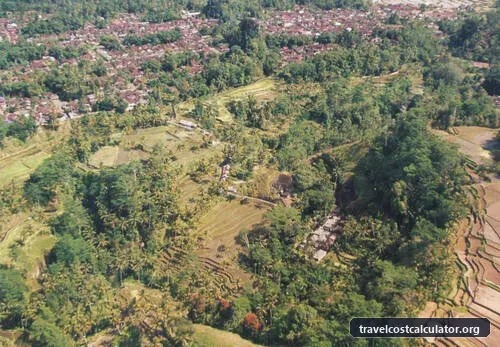
The cultural landscape of Bali consists of five rice terraces and their water temples that cover 19,500 ha.
Cultural Landscape of Bali Province: the Subak System as a Manifestation of the Tri Hita Karana Philosophy
🏛️ Overview & Historical Significance
Inscribed as a UNESCO World Heritage site in 2012, the Cultural Landscape of Bali Travel Budget Province: the Subak System as a Manifestation of the Tri Hita Karana Philosophy encompasses over 19,500 hectares of terraced rice fields, ancient water temples, lakes, and intricate canal networks across Bali, Indonesia. Far more than a agricultural marvel, this landscape represents a living, centuries-old social and religious system that has sustained Balinese civilization since the 9th century.
At the heart of this World Heritage designation is Tri Hita Karana, a philosophical doctrine that dictates human existence can only achieve true prosperity, peace, and spiritual harmony when three relationships are maintained in balance:
-
✦
Parahyangan: Harmony between humans and God (the spiritual realm).
-
✦
Pawongan: Harmony among humans (the social realm).
-
✦
Palemahan: Harmony between humans and Nature (the ecological realm).
The practical execution of this philosophy is the Subak system. A subak is an egalitarian, community-based water management organization. Farmers share canal infrastructure and democratically allocate water downstream, guided by rituals conducted at interconnected water temples. Rather than competing for resources, farmers coordinate planting schedules to naturalize pest control and ensure equal water distribution.
The UNESCO designation recognizes five distinct clusters across Bali that best exemplify this ecological mastery:
-
✦
Jatiluwih Rice Terraces: Vast, sweeping terraces carved into the slopes of Mount Batukaru, representing traditional rice cultivation without chemical pesticides.
-
✦
Pura Taman Ayun (Mengwi): A magnificent 17th-century royal water temple surrounded by a moat, serving as the historical epicenter of regional subak networks.
-
✦
Supreme Water Temple Pura Ulun Danu Batur & Lake Batur: Located on the crater rim of Mount Batur, this temple venerates Dewi Danu (goddess of water) and acts as the spiritual origin of all central Bali irrigation.
-
✦
Subak Landscape of the Pakerisan Watershed: Home to Bali's oldest recorded irrigation structures along the sacred Pakerisan River, including Tirta Empul and Gunung Kawi.
🎟️ Entrance Fees, Opening Hours & Ticket Booking Tips
Because the UNESCO site comprises multiple geographic locations, there is no single "all-inclusive" entry ticket. Visitors must pay separate regional conservation and retribution fees at each component site. Here are the updated entry fees and hours for 2026:
1. Jatiluwih Rice Terraces (Tabanan Regency)
-
✦
2026 Ticket Price: IDR 60,000 (~$3.80 USD) for foreign adults; IDR 40,000 (~$2.50 USD) for foreign children.
-
✦
Opening Hours: 6:00 AM – 7:00 PM daily.
-
✦
Parking Fee: IDR 5,000 (~$0.30 USD) for motorbikes; IDR 10,000 (~$0.65 USD) for cars.
2. Pura Taman Ayun (Mengwi)
-
✦
2026 Ticket Price: IDR 40,000 (~$2.50 USD) for foreign adults; IDR 20,000 (~$1.30 USD) for foreign children.
-
✦
Opening Hours: 8:00 AM – 6:15 PM daily.
3. Pura Ulun Danu Batur & Kintamani Area Retribution
-
✦
2026 Ticket Price: IDR 50,000 (~$3.20 USD) per person (includes Kintamani area entrance fee and main temple entry).
-
✦
Opening Hours: 7:00 AM – 6:00 PM daily (outer grounds open 24/7).
4. Tirta Empul & Pakerisan Watershed Sites
-
✦
2026 Ticket Price: IDR 50,000 (~$3.20 USD) for adults; IDR 25,000 (~$1.60 USD) for children. Optional ritual bathing sarong rental: IDR 10,000 (~$0.65 USD).
-
✦
Opening Hours: 8:00 AM – 6:00 PM daily.
Pro Ticket Booking & Cost Hacks:
While cash in Indonesian Rupiah (IDR) was historically mandatory, as of 2026 most ticket booths accept contactless cards and local QRIS payments. However, keeping small cash notes handy is still recommended for parking wardens and local roadside stalls. You do not need to book tickets weeks in advance; all site gates sell walk-up tickets efficiently. To avoid double paying, hold onto your ticket stub when moving between different viewpoints within Jatiluwih or the Kintamani region on the same day.
🚌 How to Get There & Local Transit Costs
The UNESCO Subak sites are distributed across central and northern Bali. The primary base for exploring these sites is Ubud (the cultural capital) or the southern beach hubs (Denpasar, Seminyak, Canggu).
Option 1: Private Car with Driver (Most Efficient & Popular)
Renting a private vehicle with an English-speaking driver is the most comfortable and flexible way to explore the Subak circuit in a single day. Drivers know the narrow mountain roads and regional routes inside out.
-
✦
2026 Cost: IDR 700,000 – IDR 950,000 (~$45 – $60 USD) per full day (10–12 hours). This price includes petrol, driver expenses, and vehicle parking.
-
✦
Recommended Route: Ubud departure → Pura Taman Ayun → Jatiluwih Rice Terraces → Pura Ulun Danu Batur → Return to Ubud.
Option 2: Scooter / Motorbike Rental (For Experienced Riders)
Renting an automatic scooter (125cc–155cc) gives you maximum freedom along Bali's narrow, winding rural bypasses.
-
✦
2026 Rental Cost: IDR 100,000 – IDR 160,000 (~$6.50 – $10.00 USD) per day depending on the bike model (e.g., Honda Scoopy vs. Yamaha NMAX).
-
✦
Fuel Cost: Pertamax petrol costs approximately IDR 13,500 – IDR 14,500 (~$0.90 USD) per liter. Expect to use 3–4 liters for a full loop.
-
✦
Note: Ensure you possess a valid International Driving Permit (IDP) with a motorcycle endorsement and travel insurance. Mountain roads around Kintamani and Jatiluwih are steep, slick in rain, and heavily trafficked.
Option 3: Ride-Hailing Apps (Grab / Gojek)
You can easily take a Grab or Gojek car from Ubud to Pura Taman Ayun (approx. IDR 120,000 / $7.70 USD) or Tirta Empul (approx. IDR 100,000 / $6.40 USD). However, getting an app pickup inside Jatiluwih or upper Kintamani is difficult due to local transport cooperative restrictions. Do not rely on drop-off ride-hailing for isolated rural legs unless you retain your driver for a round trip.
📸 Best Photography Spots & Insider Visit Hacks
Prime Photography Locations
-
✦
Jatiluwih Upper Amphitheater Boardwalk: Walk along the elevated paved pathways 500 meters past the main entrance ticket booth. Frame the endless stair-step terraces against the backdrop of Mount Batukaru during early morning light.
-
✦
Pura Taman Ayun Outer Moat: Position yourself near the eastern side of the outer canal during late afternoon to capture the multi-tiered meru towers reflected perfectly in the surrounding water.
-
✦
Kintamani Rim Lookout over Ulun Danu Batur: Capture the contrast of the volcanic black sand slopes, emerald Lake Batur, and the ancient temple shrines sticking above the mountain mist.
Seasonal & Weather Tips for 2026
Bali has two distinct seasons: the dry season (April to October) and the wet season (November to March).
-
✦
For Bright Emerald Terraces: Visit during the height of the growing seasons in February–March or June–July, just before the rice turns golden.
-
✦
For Harvest Gold: Visit in April–May or September–October when fields ripple with ripe yellow rice stalks.
-
✦
Best Time of Day: Arrive at Jatiluwih by 6:30 AM to 8:30 AM. Cloud cover and heavy mist usually descend on mountain regions by 1:00 PM, often bringing afternoon rain showers. Early mornings also guarantee crowd-free photography.
Cultural Etiquette & Drone Regulations
-
✦
Dress Code: Sarongs and temple waist sashes are mandatory when entering any active water temple (Taman Ayun, Ulun Danu Batur, Tirta Empul). These are usually provided free with your ticket or rented for a nominal fee (IDR 10,000). Shoulder-covering shirts are required.
-
✦
Menstruation Restrictions: In accordance with Balinese Hindu ritual purity rules, women who are currently menstruating are traditionally asked to refrain from entering inner temple grounds.
-
✦
Drone Flying Rules: Drones are permitted over the open rice fields of Jatiluwih (some local subak communities charge a nominal IDR 50,000 drone registration fee at the gate). However, flying drones directly over active temple shrines or people during religious ceremonies is strictly forbidden.
🏨 Nearby Accommodation & Daily Budget Allocation
To fully experience the UNESCO Subak landscape without rushing, consider splitting your stay between a central cultural hub like Ubud and an eco-lodge right in Jatiluwih or Kintamani.
Recommended Accommodation Tiers (2026 Rates)
-
✦
Budget / Homestays: Jatiluwih Eco Stay or Ubud Central Guesthouses — $18 to $35 USD (IDR 280,000 – IDR 550,000) per night. Clean private rooms with local breakfast and terrace views.
-
✦
Mid-Range / Boutique Hotels: Sang Giri Mountain Tent Resort (Jatiluwih) or Taman Harum Cottages (Near Mengwi/Ubud) — $65 to $120 USD (IDR 1,000,000 – IDR 1,900,000) per night. Offers infinity pools overlooking rice paddies, air conditioning, and guided Subak walking tours.
-
✦
Luxury / Eco-Resorts: Alila Ubud or COMO Shambhala Estate — $300 to $650+ USD (IDR 4,700,000 – IDR 10,000,000) per night. Unmatched luxury integrated into river valleys and traditional irrigation contours.
Estimated Daily Travel Budget Breakdown (2026 Prices)
Below is a realistic daily financial planner for exploring the Subak World Heritage sites:
-
✦
Budget Backpacker: ~$30 – $45 USD / day
- Scooter rental & petrol share: $6.00
-
✦
Homestay accommodation: $15.00
-
✦
Entry fees to 2 Subak sites: $6.50
-
✦
Meals at local Warungs (Nasi Campur, Babi Guling): $8.00
-
✦
Water & incidentals: $2.50
- Private car with driver (shared between 2): $25.00
Frequently Asked Questions
Essential visitor FAQs for Cultural Landscape of Bali Province: the Subak System as a Manifestation of the Tri Hita Karana Philosophy
What is the entrance fee for Cultural Landscape of Bali Province: the Subak System as a Manifestation of the Tri Hita Karana Philosophy?
How much time do you need to explore Cultural Landscape of Bali Province: the Subak System as a Manifestation of the Tri Hita Karana Philosophy?
How do I get to Cultural Landscape of Bali Province: the Subak System as a Manifestation of the Tri Hita Karana Philosophy from the nearest city?
📊 Heritage Quick Specs
Visiting Indonesia on a Budget?
Calculate your full daily travel budget for Indonesia — including hotel costs, local transport, food, and sightseeing expenses.
View Indonesia Daily Travel Costs →Explore more UNESCO World Heritage Sites
🏛️ All 1,200+ Heritage Sites →