
 Afghanistan
Cultural Landscape and Archaeological Remains of the Bamiyan Valley
The cultural landscape and archaeological remains of the Bamiyan Valley represent the artistic and religious developments which from the 1st to the 13th centuries characterized ancient Bakhtria, integrating var...
Cultural Landscape and Archaeological Remains of the Bamiyan Valley
🏛️ Overview & Historical Significance
Nestled high in the Hindu Kush mountains at an altitude of over 2,500 meters, the Cultural Landscape and Archaeological Remains of the Bamiyan Valley stands as one of the world's most poignant symbols of ancient cross-cultural synthesis and resilient heritage. For centuries, Bamiyan was a vibrant crossroads along the Silk Road, linking China, India, Persia, and the Hellenistic world. Between the 1st and 13th centuries CE, this fertile valley flourished as a monumental center for Gandhara Buddhist art and philosophy, seamlessly blending Greco-Roman, Persian, and Indian artistic traditions.
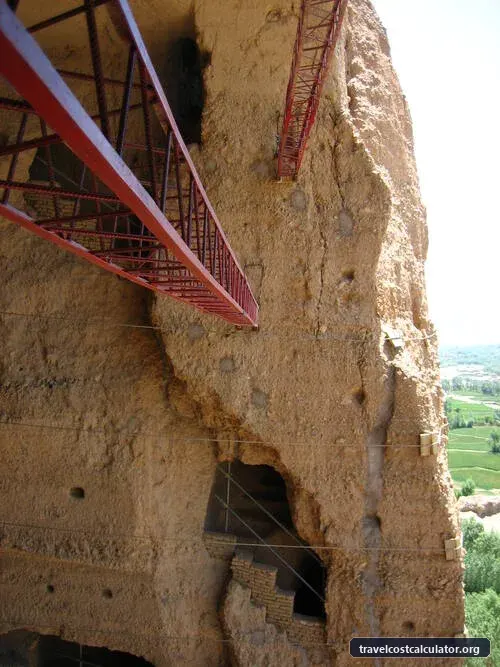
In 2003, UNESCO inscribed the entire Bamiyan Valley on the World Heritage List (and simultaneously placed it on the List of World Heritage in Danger). The designation recognizes not only the giant cut-out cliff niches but an interconnected cultural ecosystem: over 1,000 Buddhist cave sanctuaries, vibrant wall paintings, fortress ruins, and Islamic-era citadel remains. The site is most famous worldwide for the two giant standing Buddha statues—the 55-meter Salsal (Western Buddha) and the 38-meter Shamama (Eastern Buddha)—carved directly into the sandstone cliffs during the 6th century.
Despite the tragic destruction of the two giant statues by the Taliban in March 2001, the site’s historical and spiritual resonance remains intact. Today in 2026, international conservationists and Afghan cultural heritage officers continue painstaking preservation, 3D mapping, and structural stabilization of the empty niches and interior mural-filled caves. Visiting Bamiyan offers a deeply moving encounter with human history, architectural ingenuity, and the enduring spirit of the local Hazara community who call this high-altitude valley home.
🎟️ Entrance Fees, Opening Hours & Ticket Booking Tips
Navigating travel in Afghanistan requires up-to-date logistics. As of 2026, foreign visitors must obtain both local provincial clearances and site-specific tickets to explore the archaeological zones in the Bamiyan Valley.
-
✦
Main Buddha Cliffs & Niche Complex Ticket: ~1,200 AFN to 1,500 AFN (Approx. $16 - $21 USD) per foreign visitor. This ticket grants access to the base of the Western and Eastern Buddha niches and accessible cave networks.
-
✦
Secondary Heritage Sites (Shahr-e Gholghola & Shahr-e Zohak): ~500 AFN to 700 AFN (Approx. $7 - $10 USD) each.
-
✦
Provincial Tourism Permit / Travel Registration: Foreign travelers must register with the local Directorate of Information and Culture office in Bamiyan town upon arrival. The registration fee is approximately 1,000 AFN ($14 USD).
-
✦
Opening Hours: The main cliff complex and citadel ruins are open daily from 8:00 AM to 5:00 PM (seasonal variations apply; daylight hours dictate access).
Essential Ticket Booking & Financial Tips for 2026:
-
✦
Cash is Mandatory: Electronic payments, international credit cards, and ATMs linked to foreign networks do not function reliably in Afghanistan. You must carry sufficient cash in crisp, undamaged USD bills (printed after 2013) or local Afghanis (AFN).
-
✦
Currency Exchange: Money changers in Kabul Travel Budget or Bamiyan central market offer the best exchange rates. Ensure your notes have no tears or stamps.
-
✦
Hire a Local Guide: Official UNESCO-trained local guides can be arranged through local guesthouses or the cultural office for approximately $25 - $40 USD per day. Having a guide ensures access to locked cave sections containing residual 5th-century frescoes and helps navigate local checkpoints effortlessly.
🚌 How to Get There & Local Transit Costs
The primary gateway to the Bamiyan Valley is Afghanistan's capital city, Kabul, located roughly 180 kilometers (112 miles) to the southeast.
1. Overland Private 4WD Vehicle (Recommended Route)
The most reliable way to reach Bamiyan is by hiring a private 4-wheel-drive vehicle with an experienced local driver from Kabul. The journey follows the paved northern route through Parwan Province and the scenic Ghorband Valley, taking between 3.5 to 5 hours depending on weather and security checkpoints.
-
✦
Cost: Round-trip private vehicle charter (Kabul–Bamiyan–Kabul, including driver, fuel, and wait time for 2-3 days) ranges between $180 and $280 USD total.
-
✦
Shared Minivans / Shared Taxis: Local shared minivans depart daily from Kabul's Kote Sangi station to Bamiyan. Seats cost around 600 - 800 AFN ($8 - $11 USD) per person. While economical, shared transport is slower (5-7 hours) and less convenient for non-Dari speakers.
2. Domestic Flights (Kabul to Bamiyan)
Domestic flights between Kabul International Airport (KBL) and Bamiyan Airport (BIN) operate intermittently depending on season and airline operational status in 2026. Flight time is approximately 45 minutes.
-
✦
Cost: One-way tickets typically cost between $90 and $140 USD when scheduled service is available.
3. Local Transit within Bamiyan Valley
The valley extends across several square kilometers. Renting a local taxi for intra-valley travel (visiting the Buddha Cliffs, Shahr-e Gholghola, Kakrak Valley, and Shahr-e Zohak) costs roughly 2,000 - 3,500 AFN ($28 - $50 USD) for a full day of dedicated service.
📸 Best Photography Spots & Insider Visit Hacks
The dramatic geological landscape of Bamiyan—dominated by towering pale sandstone cliffs, green agricultural valley floors, and snow-capped peaks—is a photographer's dream. However, sensitive cultural norms must be respected.
Top Photography Locations
-
✦
The Base of the Western Buddha (Salsal) Niche: Stand directly inside the empty 55-meter niche looking upward to convey the staggering scale of ancient architecture.
-
✦
Shahr-e Gholghola ("City of Screams"): Position yourself at the top of this 13th-century citadel ruin during Golden Hour (late afternoon). The panoramic views look straight across the valley to the glowing red-sandstone cliff face housing the Buddha niches.
-
✦
Shahr-e Zohak ("The Red City"): Located at the confluence of the Bamiyan and Kalu rivers, the dramatic red-mud brick fortress towers photogenically against blue skies during early morning light.
-
✦
Eastern Buddha Summit Path: If local security permits access, ascending the interior stairwell carved through the rock to the top of the Eastern Buddha niche offers elevated photos of the entire valley landscape.
Insider Travel & Photography Hacks
-
✦
Optimal Weather Window: The best months to visit are late spring (May to June) when the valley is lush green, and autumn (September to October) when crisp clear skies contrast with golden poplar trees. Winter brings heavy snow and sub-zero temperatures (down to -15°C/5°F).
-
✦
Drone Photography Strict Warnings: Flying recreational drones in Afghanistan is strictly illegal without high-level clearance from national defense and intelligence ministries. Unauthorized drones will be confiscated immediately.
-
✦
Cultural Etiquette: Always ask permission before photographing local residents, particularly women and military/police personnel at checkpoints. Dress conservatively—men should wear long trousers and loose shirts (or traditional Perahan Tunban), while women must wear loose clothing covering arms and legs, along with a headscarf (Hijab).
🏨 Nearby Accommodation & Daily Budget Allocation
Bamiyan is considered one of the calmest and most welcoming regions in Central Afghanistan. While luxury infrastructure is limited, high-quality mid-range hotels and authentic local guesthouses provide safe and comfortable stays.
Recommended Accommodation in Bamiyan (2026 Rates)
-
✦
Budget Homestays & Guesthouses: Roof of Bamiyan Guest House or basic family stays near the market offer clean rooms, shared bathrooms, and hot tea.
Price: $20 - $40 USD (1,400 - 2,800 AFN) per night. -
✦
Mid-Range Hotels: Silk Road Hotel Bamiyan or Noorband Qala Hotel provide private en-suite rooms, reliable solar power/generators, heating, gardens overlooking the cliff face, and on-site dining.
Price: $75 - $130 USD (5,300 - 9,100 AFN) per night (includes breakfast).
Food & Dining Costs
Local dining in Bamiyan is traditional and hearty. Regional specialties include Mantu (steamed meat dumplings with yogurt and lentils), Ashak (leek dumplings), fresh flatbread (Naan), lamb kebabs, and green tea.
-
✦
Local Street Food / Small Teahouse Meal: $3 - $6 USD (200 - 420 AFN) per person.
-
✦
Sit-down Hotel Dinner: $10 - $18 USD (700 - 1,250 AFN) per person.
Sample Daily Budget Allocation (Per Person)
-
✦
Budget Backpacker: $45 - $65 USD / day
(Shared accommodation/guesthouse, local shared taxis, street food meals, and basic site entrance permits). -
✦
Mid-Range Comfort Traveler: $140 - $230 USD / day
(Mid-range hotel with view, private 4WD car with driver, private local guide, hotel dining, and all archaeological site tickets).
Frequently Asked Questions
Essential visitor FAQs for Cultural Landscape and Archaeological Remains of the Bamiyan Valley
What is the entrance fee for Cultural Landscape and Archaeological Remains of the Bamiyan Valley?
How much time do you need to explore Cultural Landscape and Archaeological Remains of the Bamiyan Valley?
How do I get to Cultural Landscape and Archaeological Remains of the Bamiyan Valley from the nearest city?
📊 Heritage Quick Specs
Visiting Afghanistan on a Budget?
Calculate your full daily travel budget for Afghanistan — including hotel costs, local transport, food, and sightseeing expenses.
View Afghanistan Daily Travel Costs →Explore more UNESCO World Heritage Sites
🏛️ All 1,200+ Heritage Sites →