
 Venezuela
Coro and its Port
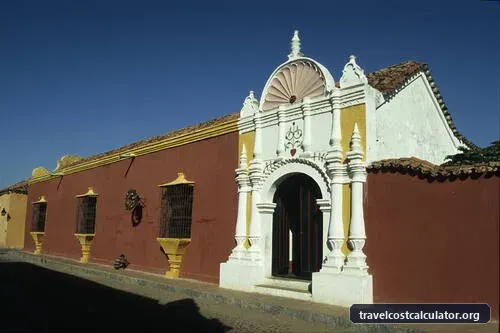
With its earthen constructions unique to the Caribbean, Coro is the only surviving example of a rich fusion of local traditions with Spanish Mudéjar and Dutch architectural techniques.
Coro and its Port
🏛️ Overview & Historical Significance
Founded in 1527 by Juan de Ampíes, Santa Ana Travel Budget de Coro stands as one of South America's earliest Spanish colonial settlements. Located in Falcón State in northwestern Venezuela, Coro and its nearby port town, La Vela de Coro, represent an extraordinary architectural bridge between European tradition, indigenous mud construction techniques, and Caribbean trade influences. In 1993, UNESCO inscribed Coro and its Port as a World Heritage site, recognizing it as the sole surviving example of a rich fusion between Spanish Mudéjar architecture and Dutch colonial styles, transported via trade with the neighboring Caribbean island of Curaçao.
The site's defining feature is its groundbreaking earthen architecture. City builders utilized tapia (rammed earth) and bahareque (wattle and daub) techniques to construct grand domestic residences, majestic churches, and administrative buildings capable of withstanding the arid coastal climate of the region. Distinctive wrought-iron window grills, Dutch-style stepped gables, covered loggias, and inner courtyards impart a visual identity found nowhere else in South America. Just 12 kilometers east, La Vela de Coro served as the maritime gateway where General Francisco de Miranda landed in 1806 to raise the first tricolor flag of Venezuelan independence.
Due to intense torrential rainstorms stemming from climate shifts and lack of proper maintenance, UNESCO added Coro and its Port to the List of World Heritage in Danger in 2005. As of 2026, ongoing state-sponsored restoration projects, international conservation grants, and community-led earthen masonry workshops continue active stabilization work across its historic district, preserving these historic adobe structures for future travelers.
🎟️ Entrance Fees, Opening Hours & Ticket Booking Tips
Exploring the historic streets of Coro and the waterfront of La Vela is entirely free, as both are open public urban spaces. However, key museums and heritage houses require nominal entry tickets. Note for 2026 travelers: While Venezuela's official currency is the Venezuelan Bolívar (VES), U.S. Dollars (USD) are widely accepted for tourism transactions. It is highly recommended to carry crisp, undamaged $1, $5, and $10 USD bills, as change in cash can be limited.
-
✦
Historic Urban Zone & Public Squares: Free access 24/7.
-
✦
Casa de las Ventanas de Hierro: $2.00 - $3.00 USD (~90 - 135 VES). Open Tuesday to Sunday, 9:00 AM – 4:00 PM.
-
✦
Balcón de los Arcaya (Museum of Ceramics): $2.00 - $4.00 USD (~90 - 180 VES). Open Tuesday to Sunday, 9:00 AM – 3:30 PM.
-
✦
Museo Diocesano Lucas Guillermo Castillo: $3.00 USD (~135 VES). Open Tuesday to Saturday, 9:00 AM – 1:00 PM and 2:30 PM – 5:00 PM.
-
✦
La Vela Customs House (Antigua Travel Budget Aduana) & Flag Monument: Free street viewing; entry to internal exhibits ~$2.00 USD.
-
✦
Certified Local Heritage Guide: $15.00 - $25.00 USD per group for a full half-day walking tour. Hiring a guide is highly recommended to gain entry into privately restored interior courtyards.
Booking Tip: There is no centralized online booking system for museum tickets in Coro. Tickets must be purchased in cash (USD or VES via local debit cards/transfer) at the entrance of each site. Museums close on Mondays for maintenance.
🚌 How to Get There & Local Transit Costs
Coro is accessible via land transport from major Venezuelan hubs like Caracas Travel Budget, Maracaibo, and Barquisimeto, or via limited domestic flights landing at José Leonardo Chirino Airport (COR) in Coro.
From Caracas to Coro
-
✦
By Long-Distance Bus: Executive intercity buses depart daily from Caracas (Terminal La Bandera or private operator terminals like Aeroejecutivos). The journey takes approximately 7 to 9 hours across 450 km. 2026 Fare: $20.00 – $35.00 USD per seat.
-
✦
By Domestic Flight: Venezuelan airlines (such as Conviasa or Rutaca) run twice-weekly direct flights between Caracas (CCS) and Coro (COR). Flight duration is approximately 50 minutes. 2026 Fare: $70.00 – $120.00 USD one-way.
From Maracaibo or Barquisimeto
-
✦
Shared Taxi / Por Puesto: Shared intercity sedans operate from Maracaibo (3.5 hours) or Barquisimeto (4 hours). 2026 Fare: $12.00 – $18.00 USD per seat.
Local Transit within Coro & to La Vela
-
✦
Local Bus / Minivan (Coro to La Vela de Coro): Regular buses run between central Coro and the port of La Vela (12 km away, 20-minute ride). 2026 Fare: $0.75 – $1.25 USD.
-
✦
City Taxis: Unmetered private taxis operate within Coro's downtown. Always negotiate the price prior to boarding. 2026 Fare: $3.00 – $6.00 USD within the city; $7.00 – $10.00 USD to La Vela.
📸 Best Photography Spots & Insider Visit Hacks
Coro offers an extraordinary canvas for architecture and urban photographers, defined by saturated clay hues, pastel walls, ornate wooden eaves, and bright Caribbean lighting.
Top Photography Locations
-
✦
Calle Zamora: The heart of old Coro, lined with pastel yellow, terracotta, and deep blue mud-brick mansions featuring classic iron-window grilles.
-
✦
Balcón de los Arcaya: Capture the intricate two-story wooden balcony overlooking the cobblestone intersection near Plaza Bolívar.
-
✦
Iglesia de San Francisco & Plaza Clemente: Capture the whitewashed facade against the intense blue coastal sky.
-
✦
Antigua Aduana in La Vela: Photogenic Dutch-colonial architecture overlooking the Caribbean ocean promenade.
-
✦
Bonus Destination - Los Médanos de Coro National Park: Located just 5 minutes north of the historic core. Massive sand dunes engulf the highway—visit at golden hour (5:00 PM – 6:15 PM) for dramatic shadows across the desert landscape.
Insider Visit Hacks
-
✦
Timing & Lighting: The tropical heat in Falcón regularly surpasses 34°C (93°F) midday. Plan your walking photography sessions between 7:00 AM – 9:30 AM or after 4:30 PM, when the sun lights up the adobe facades without harsh overhead shadows.
-
✦
Hydration & Sun Protection: Bring high-SPF sunblock, a wide-brimmed hat, and ample bottled water. The dry trade winds off the Caribbean ocean mask intense solar radiation.
-
✦
Safety & Local Protocol: Stick to illuminated historic streets and major plazas. While the colonial core is generally peaceful during daylight hours, avoid carrying visible high-end camera gear in unpopulated alleys after dark. Always ask permission before photographing local artisans or residents.
🏨 Nearby Accommodation & Daily Budget Allocation
Staying within or adjacent to the historic quarter allows you to experience early morning silence on the cobblestone streets before the city warms up.
Recommended Accommodations (2026 Estimates)
-
✦
Budget (Posadas & Guesthouses): $20.00 – $35.00 USD / night. Simple, clean air-conditioned rooms in restored family homes (e.g., family-run posadas around Calle Toledo).
-
✦
Mid-Range (Colonial Boutique Posadas): $50.00 – $85.00 USD / night. Beautifully preserved 18th-century mansions featuring interior garden courtyards, plunge pools, and included traditional breakfasts.
-
✦
Luxury / High-End: Limited in immediate downtown Coro; comfortable modern business hotels near the city perimeter range from $90.00 – $130.00 USD / night.
Dining & Local Culinary Budget
Falcón state boasts distinct regional gastronomy. Do not miss chivo en coco (goat braised in coconut milk), arepas peladas (traditional corn cakes cooked with ash water), and fresh local goat cheese (queso de mano / de cabra).
-
✦
Local Street Food & Small Cafes: $3.00 – $6.00 USD per meal.
-
✦
Sit-down Heritage Restaurants: $10.00 – $20.00 USD per person for main courses and drinks.
Estimated Daily Budget Summary (2026)
-
✦
Backpacker / Low-Budget Travel: $35.00 – $50.00 USD per day (staying in budget posadas, using public minivans, eating local street food/areperías).
-
✦
Mid-Range Traveler: $85.00 – $140.00 USD per day (boutique colonial posada, private taxi rides, museum entry fees, guided tour, dining at established traditional restaurants).
Frequently Asked Questions
Essential visitor FAQs for Coro and its Port
What is the entrance fee for Coro and its Port?
How much time do you need to explore Coro and its Port?
How do I get to Coro and its Port from the nearest city?
📊 Heritage Quick Specs
Visiting Venezuela on a Budget?
Calculate your full daily travel budget for Venezuela — including hotel costs, local transport, food, and sightseeing expenses.
View Venezuela Daily Travel Costs →Explore more UNESCO World Heritage Sites
🏛️ All 1,200+ Heritage Sites →