
 North Korea
Complex of Koguryo Tombs
The property includes several group and individual tombs - totalling about 30 individual tombs - from the later period of the Koguryo Kingdom, one of the strongest kingdoms in nowadays northeast China and half ...
Complex of Koguryo Tombs
🏛️ Overview & Historical Significance
The Complex of Koguryo Tombs, situated across Pyongyang Travel Budget, South Pyongan, and South Hwanghae provinces in the Democratic People's Republic of Korea (DPRK), stands as one of East Asia’s most extraordinary archaeological treasures. In 2004, UNESCO inscribed the complex as North Korea’s very first World Heritage site, recognizing its outstanding universal value, exceptional architectural engineering, and invaluable artistic legacy.
The site comprises roughly 30 individual and grouped tombs from the late period of the Koguryo (Goguryeo) Kingdom—one of the legendary Three Kingdoms of Korea that dominated northern Korea and Manchuria between 37 BCE and 668 CE. By the 5th century, Koguryo had established Pyongyang as its capital, transforming the surrounding valleys into a sacred necropolis for monarchs, royal family members, and high-ranking aristocracy.
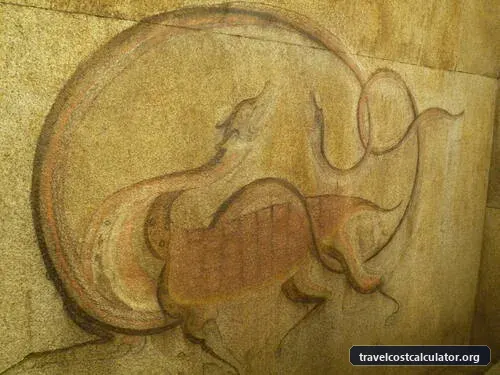
What makes the Complex of Koguryo Tombs globally celebrated are its exquisite mural paintings. Out of thousands of Koguryo tombs discovered across the Korean peninsula and northeastern China, only a small fraction feature wall paintings; the majority of these masterpiece tombs are located within this DPRK complex (including the famous King Tongmyong’s Tomb, Kangso Three Tombs, and Anak Tomb No. 3). These vibrant frescoes offer an unprecedented glimpse into ancient East Asian culture, depicting:
-
✦
Daily Life & Royalty: Detailed scenes of court banquets, military parades, noble attire, wrestling matches (Ssirum), and architectural styles.
-
✦
Mythology & Cosmology: Intricate ceiling paintings representing sun and moon deities, constellations, and the sacred Four Guardian Beasts (Azure Dragon of the East, White Tiger of the West, Vermilion Bird of the South, and Black Tortoise/Serpent of the North).
-
✦
Structural Ingenuity: Advanced stone-masonry techniques using massive granite slabs engineered to support heavy earth tumuli, complete with sophisticated underground dome structures and drainage channels.
🎟️ Entrance Fees, Opening Hours & Ticket Booking Tips
Visiting cultural heritage sites in North Korea operates under a unique administrative framework compared to standard international travel. Independent travel to the DPRK is not permitted; all foreign visitors must travel on a pre-arranged, fully guided tour organized through accredited agencies working alongside the DPRK State General Bureau of Tourist Guidance.
Estimated 2026 Ticket & Site Admission Costs
Individual ticket prices for the Koguryo Tombs are generally subsumed within your overall daily DPRK tour package. However, local site admission fees levied by local management committees are itemized within your itinerary budget as follows:
-
✦
King Tongmyong Tomb Complex Admission: Estimated €15 – €25 USD ($16 – $27 USD / approx. 15,000 – 25,000 KPW at official rates) per person.
-
✦
Kangso Three Tombs Site Fee: Estimated $15 – $20 USD per person.
-
✦
Mandatory Local Site Guide Surcharge: Typically included, though group contributions of $5 – $10 USD per site for specialized museum curatorial lectures are customary.
Opening Hours & Schedule
-
✦
Standard Operating Hours: 09:00 – 17:00 daily (subject to seasonal shifts and weather conditions).
-
✦
Visitor Restrictions: Due to conservation efforts aimed at controlling humidity and preserving 1,500-year-old pigment layers, access to the original underground burial chambers is severely restricted. Visitors are typically shown high-resolution replicas, site museums, and the impressive exterior tumuli, though select original tomb ante-chambers (such as at Kangso) may occasionally open to specialized study groups upon prior approval.
Crucial 2026 Ticket & Travel Booking Tips
-
✦
Book via Registered Operators: Secure your trip 3 to 6 months in advance through established DPRK tour operators (such as Koryo Tours or KTGC partners) to allow sufficient time for visa processing and itinerary authorization.
-
✦
Confirm Itinerary Inclusions: The tombs are spread across different districts. Explicitly request the inclusion of Ryongsan-ri (King Tongmyong) or Kangso District in your custom or group itinerary, as shorter Pyongyang city tours may skip outlying sites.
-
✦
Currency Requirements: Local North Korean Won (KPW) cannot be legally used by foreign tourists. Bring pristine, undamaged physical cash in Euros (€), US Dollars ($), or Chinese Yuan (RMB). Credit cards, international ATMs, and digital mobile payments do not function in the DPRK.
🚌 How to Get There & Local Transit Costs
The individual tomb clusters that form the UNESCO complex are distributed across Pyongyang's outskirts and adjacent provinces. The primary springboard for all visits is the capital city, Pyongyang.
Step 1: Reaching Pyongyang
-
✦
By Air: Air Koryo operates scheduled flights into Pyongyang Sunan International Airport (FNJ) primarily from Beijing Travel Budget (PEK/PKX) and Shenyang (SHE). Roundtrip Flight Cost Estimator typically range from $450 to $650 USD.
-
✦
By Rail: International sleeper trains run between Dandong (China) and Pyongyang Railway Station, costing approximately $250 to $350 USD roundtrip.
Step 2: Transit from Pyongyang to the Tombs
Public transit options (such as local commuter buses or standard taxis) are not authorized for foreign tourists traveling to rural heritage zones. Transport is conducted entirely via private tour coaches or designated private cars provided by your host travel company.
-
✦
Tomb of King Tongmyong (Ryongsan-ri, Sungho District): Located approximately 30 km (18 miles) east of central Pyongyang. Transit time by private tour bus is roughly 45 to 60 minutes along the Pyongyang-Wonsan Motorway.
-
✦
Kangso Three Tombs (Samgwang-ri, Kangso District): Situated roughly 40 km (25 miles) southwest of Pyongyang near Nampo. Reached via the Youth Hero Highway in about 1 hour.
-
✦
Anak Tomb No. 3 (South Hwanghae Province): Located approximately 100 km (62 miles) south of Pyongyang. Expect a 2.5-hour drive on rural paved roads.
Transport Cost Breakdown: Vehicle hire, fuel costs, toll taxes, and private driver fees are bundled into your overall daily DPRK tour package (which averages $250 to $400 USD per day per person, covering transport, meals, lodging, and dual local guides).
📸 Best Photography Spots & Insider Visit Hacks
Prime Photography Locations
-
✦
King Tongmyong Tomb Entrance & Courtyard: Capture the striking traditional Korean gate framed by tall pine trees, stone guardian statues, and the terraced green mound of the founder of the Koguryo Empire.
-
✦
Chongruncha Temple: Located adjacent to King Tongmyong’s tomb site, this restored Buddhist temple offers magnificent angles of colorful wooden architecture (Dancheong painting) against scenic mountain backdrops.
-
✦
Kangso Mounds Panorama: The massive, perfectly symmetrical earthen mounds of the Kangso Three Tombs offer brilliant landscape photography, especially when shooting from low angles to contrast the green turf against dramatic skies.
Photography Rules & Etiquette
Strict Restriction: Photography inside active burial chambers or near original ancient murals—where permitted—is strictly prohibited to prevent light degradation and comply with local heritage preservation protocols. Always ask your local guides before taking photographs of military personnel, construction sites, or local citizens in rural areas.
Best Season to Visit
-
✦
Autumn (September – October): The ideal window. Clear, crisp weather with pleasant temperatures (15°C to 22°C / 59°F to 72°F) and vibrant fall foliage surrounding the pine groves of the tomb complexes.
-
✦
Spring (April – May): Excellent weather condition with blooming flowers and cherry blossoms framing the historical monuments.
-
✦
Avoid: July to August (heavy monsoon rains and high humidity) and December to February (sub-zero winter conditions).
Insider Visit Hacks
-
✦
Study the Murals in Advance: Because access to original underground chambers is limited, visit the Pyongyang Central History Museum in Kim Il Sung Square prior to your trip to see detailed full-scale reproductions of the tomb frescoes.
-
✦
Pack Light Source & Optics: Bringing a compact LED flashlight and pocket binoculars helps you observe exterior stone carvings and architectural joints in detail.
-
✦
Respect Local Customs: Bowing slightly at historical royal mausoleums is viewed by local hosts as a gesture of cultural respect.
🏨 Nearby Accommodation & Daily Budget Allocation
Where to Stay
Foreign tourists cannot stay in local villages near the tomb sites. All overnight accommodations must be selected from government-approved hotels in Pyongyang or nearby Nampo:
-
✦
Yanggakdo International Hotel (Pyongyang): Located on Yanggak Island in the Taedong River. The standard home base for international tour groups, featuring multiple restaurants, bowling alley, and modern amenities (Est. package room value: $100 – $150 USD/night equivalent).
-
✦
Koryo Hotel (Pyongyang): A classic twin-tower establishment situated in central Pyongyang near the railway station, preferred for deluxe tour upgrades.
-
✦
Ryonggang Hot Spring House (Nampo): Located near the Kangso Tombs complex. A villa-style retreat famous for mineral hot spring baths and local seafood spreads—ideal if your itinerary visits the western tomb clusters.
Daily Budget Allocation (Estimated 2026 Costs per Traveler)
Because trip arrangements in North Korea are structured as all-inclusive daily packages, your daily financial planning is categorized by fixed tour fees and discretionary personal spending:
| Budget Category | Estimated Daily Cost (USD) | Details & Inclusions |
|---|---|---|
| All-Inclusive Tour Package (Base) | $250 – $400 | Covers twin-share hotel accommodation, 3 daily meals, private bus transit, driver, two official guides, and standard site entry fees. |
| Discretionary Spending / Souvenirs | $20 – $50 | Handmade DPRK postage stamps, hand-painted propaganda posters, Ginseng products, regional ceramics, and snack purchases. |
| Beverages & Dining Extras | $5 – $15 | Local Taedonggang craft beers ($1–$3 per bottle), bottled water, specialty cold noodles (Pyeongyang Raengmyeon surcharges). |
| Guide & Driver Gratuities | $10 – $15 | Customary end-of-tour tip pooled for your two national tour guides and coach driver. |
| Total Estimated Daily Budget | $285 – $480 USD | All transactions paid in hard cash currency (EUR, USD, or RMB). |
Frequently Asked Questions
Essential visitor FAQs for Complex of Koguryo Tombs
What is the entrance fee for Complex of Koguryo Tombs?
How much time do you need to explore Complex of Koguryo Tombs?
How do I get to Complex of Koguryo Tombs from the nearest city?
📊 Heritage Quick Specs
Visiting North Korea on a Budget?
Calculate your full daily travel budget for North Korea — including hotel costs, local transport, food, and sightseeing expenses.
View North Korea Daily Travel Costs →Explore more UNESCO World Heritage Sites
🏛️ All 1,200+ Heritage Sites →