
 Ivory Coast
Comoé National Park
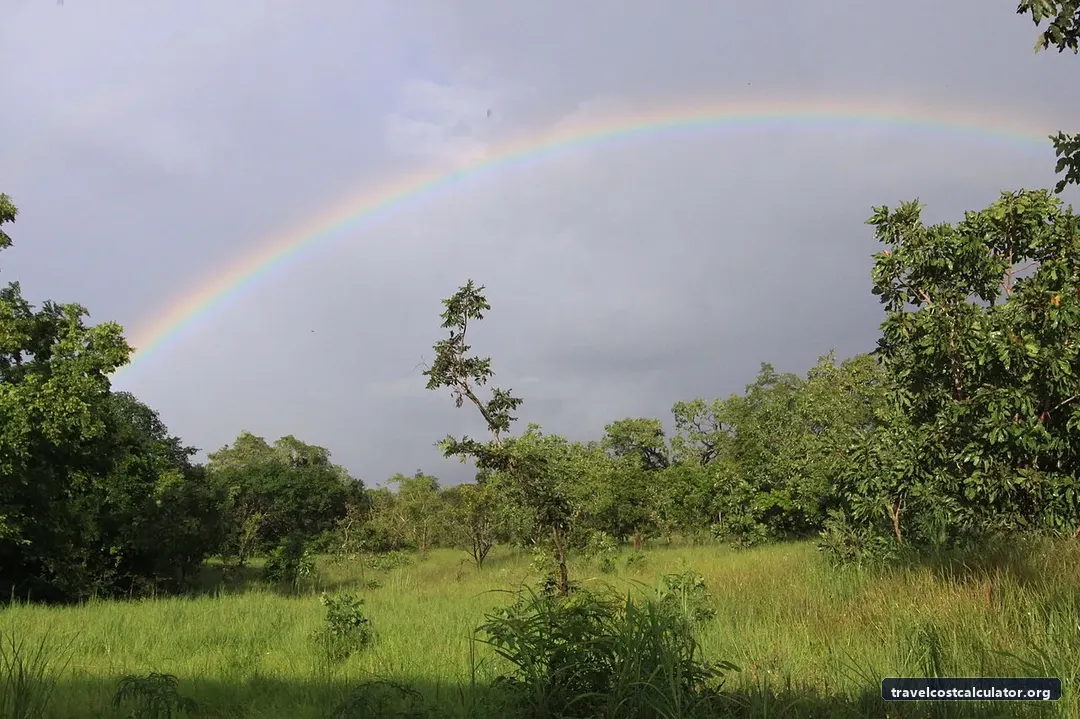
One of the largest protected areas in West Africa, this park is characterized by its great plant diversity.
Comoé National Park
🏛️ Overview & Historical Significance
Stretching across a massive 1.15 million hectares in northeastern Côte d'Ivoire, Comoé National Park ranks among the largest protected conservation areas in West Africa. Inscribed as a UNESCO World Heritage site in 1983, the park owes its international prestige to an extraordinary ecological gradient: it houses a transitional ecosystem where dense tropical gallery forests give way to wooded Sudanian savannahs, floodplain grasslands, and granitic kopjes. This unique biogeographical confluence nurtures an astonishing array of flora and fauna found nowhere else in such high density across the region.
The park is nourished by the magnificent Comoé River, which flows through its territory for over 230 kilometers. This perennial water source acts as a vital lifeline for savanna species during the grueling dry seasons. Among its protected residents are the iconic African savanna and forest elephants, West African lions, chimpanzees, hippopotamuses, roan antelopes, buffalos, and over 500 cataloged bird species. It also serves as a crucial refuge for rare primates like the Diana monkey and the white-thighed colobus.
Despite its natural splendor, Comoé's journey has been tumultuous. Between 2003 and 2017, UNESCO placed the park on the List of World Heritage in Danger due to severe poaching, civil instability in Côte d'Ivoire, illegal cattle overgrazing, and a lack of management infrastructure. However, following intensive multi-agency rehabilitation campaigns led by the Office Ivoirien des Parcs et Réserves (OIPR), combined with international research partnerships (including Germany's Würzburg University field station), game populations rebounded dramatically. In 2017, UNESCO officially removed Comoé from the Danger List, hailing it as one of Africa’s greatest conservation success stories. In 2026, Comoé stands restored as an off-the-beaten-path frontier for true eco-adventurers seeking raw, uncommercialized African wilderness.
🎟️ Entrance Fees, Opening Hours & Ticket Booking Tips
Visiting Comoé National Park requires advance planning and administrative clearance from the OIPR. Unlike heavily commercialized safari destinations in East or Southern Africa, Comoé operates as a pristine reserve focused on strict conservation and low-impact eco-tourism.
Estimated 2026 Park Entry & Operational Fees
-
✦
Foreign Non-Resident Adult Entry Fee: 15,000 XOF (~$25.00 USD) per person, per day.
-
✦
ECOWAS Nationals / Ivoirian Residents: 5,000 XOF (~$8.30 USD) per person, per day.
-
✦
Student & Child Entry Pass: 2,500 XOF (~$4.15 USD) per day.
-
✦
Vehicle Park Entry Permit (Mandatory 4x4): 15,000 XOF (~$25.00 USD) per vehicle per day.
-
✦
Mandatory Eco-Guard / Park Ranger Fee: 20,000 XOF (~$33.00 USD) per day per vehicle group (paid directly to support park surveillance).
Opening Hours & Access Regulations
The park gates at the Gansé and Kakpin entry sectors open daily from 06:00 to 18:00. Game drives must strictly adhere to daylight hours; unauthorized night safaris are forbidden to protect nocturnal wildlife and ensure visitor safety. Special permits for night photography or research stays must be arranged weeks prior through OIPR headquarters.
Booking Logistics & Insider Ticket Tips
-
✦
Pre-Authorization is Required: You cannot simply turn up at the remote gates without prior notice. Obtain entry authorization through the main OIPR office in Abidjan Travel Budget or the regional station in Bouna.
-
✦
Cash Only Policy: Card payment terminals do not exist at park checkpoints. Bring crisp, damage-free West African CFA Francs (XOF) for all entry fees, guide tips, and vehicle permits.
-
✦
Guide Requirement: You are legally required to travel with an official OIPR ranger/guide inside the park bounds. These guides possess invaluable tracking skills and intimate knowledge of current animal movements.
🚌 How to Get There & Local Transit Costs
Reaching Comoé National Park is an expedition in itself. Situated approximately 600 kilometers northeast of the commercial capital, Abidjan, journeying to the park requires navigating secondary roads, making a high-clearance 4x4 vehicle indispensable.
Step 1: Traveling from Abidjan to Gateway Hubs
Your primary stepping stone to the park is the northern town of Bouna (or secondarily, Bondoukou or Korhogo).
-
✦
By Long-Distance Bus (Abidjan to Bouna): Major reputable coach services like UTB, CTE, or STC operate daily routes from Abidjan (Gare d'Adjamé) to Bouna. The trip takes 12 to 14 hours over mixed paved and corrugated roads. Expect to pay between 12,000 XOF and 18,000 XOF ($20 – $30 USD) one-way.
-
✦
By Domestic Air + Overland Transfer: Air Côte d'Ivoire operates scheduled domestic flights from Abidjan (ABJ) to Korhogo (HGO) or Bouaké (BYK) (one-way ticket: 60,000 to 90,000 XOF / $100 – $150 USD). From Korhogo, hire a private 4x4 transfer to Bouna (approx. 4–5 hours by road).
Step 2: Securing 4x4 Overland Transport to the Park Gate
You cannot enter the park in a standard sedan. The secondary tracks (*pistes*) inside Comoé demand a high-clearance 4WD vehicle equipped with twin spare tires.
-
✦
Private 4x4 Rental from Abidjan or Bouna: Renting a rugged Toyota Land Cruiser or Hilux with an experienced driver costs approximately 75,000 to 110,000 XOF ($125 – $180 USD) per day, excluding fuel. Fuel costs across the round-trip expedition typically sum to 60,000–90,000 XOF ($100 – $150 USD).
-
✦
Bush Taxis (*Sept-Places*): Local shared bush taxis run between Bouna and peripheral entry villages like Gansé for around 2,000 to 3,500 XOF ($3.30 – $5.80 USD), but this option will leave you stranded at the gate without inside-park transport.
📸 Best Photography Spots & Insider Visit Hacks
Capturing the pristine beauty of Comoé requires careful timing, proper gear, and an understanding of seasonal climate dynamics.
Optimal Visiting Windows
The ideal window for wildlife photography and game viewing is the dry season from December to April (peak period: January through March). During these months, seasonal water holes dry up, driving animals toward the main Comoé River channel. Vegetation thins dramatically, improving sightlines through the brush. Conversely, during the heavy rainy season (July to October), tracks become impassable mud pits, and high grass obscures wildlife.
Prime Photography Locations
-
✦
The Comoé Riverbanks (Gansé Sector): Early morning light (06:30 – 09:00) along the river affords stellar shots of hippos surfacing, Nile crocodiles basking, and herds of roan antelope drinking. Photographers often spot colorful bee-eaters, kingfishers, and fish eagles along the gallery tree canopy.
-
✦
Mont Kongo & Granite Kopjes: Rising above the flat plains, these ancient rock formations offer breathtaking panorama shots over the vast savannah ocean at golden hour (17:00 – 18:00).
-
✦
Bavé River Riparian Zones: Excellent for spotting arboreal primates like colobus monkeys and baboons moving through dense gallery forests.
Insider Hacks for Photographers & Travelers
-
✦
Optical Equipment: Bring a telephoto zoom lens (minimum 300mm to 500mm). Wildlife in Comoé remains wild and shy compared to accustomed animals in Southern African parks; long focal lengths are crucial.
-
✦
Dust Protection: Dry-season roads generate fine red dust. Pack sealed dry bags, microfiber cloths, and a hand blower to protect camera sensors and optics.
-
✦
Health Requirements: Yellow Fever vaccination is compulsory for entry into Côte d'Ivoire. Carry your international yellow card. Prophylactic malaria medication and high-DEET insect repellent are absolute necessities.
-
✦
Power Supply: Electricity in gateway villages and eco-camps is intermittent. Pack high-capacity power banks and solar chargers for your gear.
🏨 Nearby Accommodation & Daily Budget Allocation
Accommodation options around Comoé National Park lean toward authentic rustic hospitality rather than five-star commercial luxury, aligning perfectly with its eco-tourism ethos.
Accommodation Tiers
-
✦
Budget Gateway Stay (Bouna Town): Basic, clean local hotels and guesthouses in Bouna (e.g., Hotel Elephant, local municipal inns). Expect air conditioning or ceiling fans and private cold-water showers. Rates range from 15,000 to 25,000 XOF ($25 – $42 USD) per night.
-
✦
Mid-Range / Wilderness Eco-Lodge (Near Gansé Gate): Community-run lodges and rustic safari camps near the park borders offer private bungalows, hot water, bucket showers, and inclusive traditional meals. Rates range from 45,000 to 80,000 XOF ($75 – $133 USD) per night.
-
✦
OIPR Bush Camping: Designated, basic campsites inside the park monitored by rangers. You must bring your own tents, sleep gear, food, and water purification. Camping permits cost around 5,000 to 10,000 XOF ($8 – $16 USD) per night per person.
Estimated Daily Budget Breakdowns (2026 Rates)
Budget Backpacker Tier ($70 – $105 USD / Day)
-
✦
Stay: Basic guesthouse in Bouna ($25 – $35)
-
✦
Meals: Local Ivoirian street food / maquis ($10 – $15)
-
✦
Park Costs: Entry permit Split Travel Budget ($25)
-
✦
Transit: Shared bush taxi / local transport ($10 – $30)
Mid-Range Traveler Tier ($220 – $360 USD / Day)
-
✦
Stay: Eco-lodge or comfortable hotel ($75 – $130)
-
✦
Meals: Lodge dining & regional cuisine ($25 – $40)
-
✦
Park Costs: Ticket + dedicated ranger split ($40 – $60)
-
✦
Transit: Private shared 4x4 hire split ($80 – $130)
Luxury / Full-Service Expedition Tier ($500 – $800+ USD / Day)
-
✦
Stay: Top-tier lodge / full-service safari camp ($200 – $350)
-
✦
Meals: All-inclusive private chef meals ($50 – $80)
-
✦
Park Costs: All fees, private guide tips, entry passes ($80 – $120)
-
✦
Transit: Private custom 4x4 Land Cruiser + dedicated driver from Abidjan ($170 – $250)
Frequently Asked Questions
Essential visitor FAQs for Comoé National Park
What is the entrance fee for Comoé National Park?
How much time do you need to explore Comoé National Park?
How do I get to Comoé National Park from the nearest city?
📊 Heritage Quick Specs
Visiting Ivory Coast on a Budget?
Calculate your full daily travel budget for Ivory Coast — including hotel costs, local transport, food, and sightseeing expenses.
View Ivory Coast Daily Travel Costs →Explore more UNESCO World Heritage Sites
🏛️ All 1,200+ Heritage Sites →