
 China
Classical Gardens of Suzhou
Classical Chinese garden design, which seeks to recreate natural landscapes in miniature, is nowhere better illustrated than in the nine gardens in the historic city of Suzhou.
Classical Gardens of Suzhou
🏛️ Overview & Historical Significance
Referred to for centuries as the "Venice Travel Budget of the East," the historic city of Suzhou in Jiangsu Province hosts the world's most refined collection of classical Chinese landscape architecture. In 1997, UNESCO inscribed the Classical Gardens of Suzhou on the World Heritage list, later expanding the designation in 2000. Today, nine specific gardens—led by the world-famous Humble Administrator's Garden and the Lingering Garden—form this collective cultural benchmark. UNESCO recognized these sanctuaries because they represent the absolute pinnacle of traditional Chinese garden design, where natural landscapes are meticulously recreated in miniature within urban compounds.
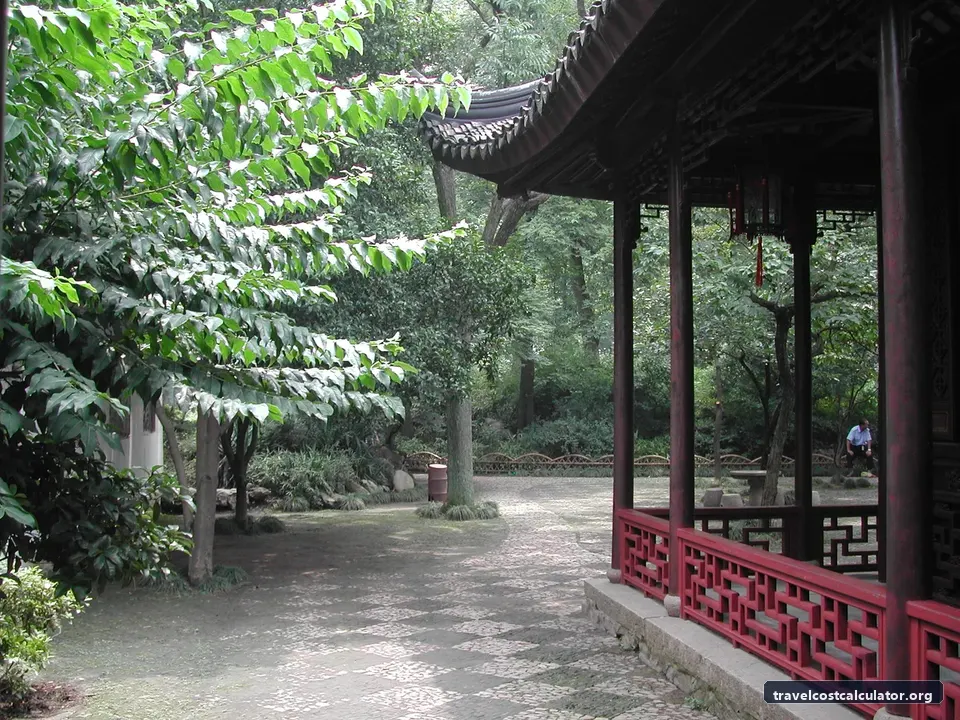
Spanning over a millennium from the Northern Song to the late Qing Dynasties (11th to 19th centuries), these private residential gardens were crafted by retired scholars, high-ranking government officials, and poet-intellectuals. Unlike western royal gardens designed with symmetry and grandiose vistas, Suzhou's classical gardens reflect Taoist principles of balance, harmony, and poetic concealment. Designers used four fundamental elements—water, rockeries, architecture, and flora—to craft continuous spatial illusions. As you walk through winding covered corridors, past perforated decorative windows (louchuang), and around sculpted Taihu limestone rocks, every turn reveals a carefully framed view equivalent to an unfolding Chinese ink-wash scroll painting.
In 2026, as high-speed infrastructure and digital visitor management seamlessly connect global travelers to China's cultural hubs, exploring these living masterpieces offers an unparalleled journey into ancient philosophy, botanical art, and architectural ingenuity.
🎟️ Entrance Fees, Opening Hours & Ticket Booking Tips
Visiting the Classical Gardens of Suzhou in 2026 requires understanding seasonal price fluctuations and China's digital real-name ticketing system. Prices are listed in Renminbi (CNY/¥) along with approximate US Dollar (USD) equivalents.
2026 Ticket Pricing Breakdown
-
✦
Humble Administrator’s Garden (Zhuozheng Yuan): Peak Season (April–May, July–October): ¥80 CNY (~$11.50 USD). Off-Peak Season (January–March, June, November–December): ¥70 CNY (~$10.00 USD).
-
✦
Lingering Garden (Liu Yuan): Peak Season: ¥55 CNY (~$8.00 USD). Off-Peak Season: ¥45 CNY (~$6.50 USD).
-
✦
Lion Grove Garden (Shizilin): Peak Season: ¥40 CNY (~$5.80 USD). Off-Peak Season: ¥30 CNY (~$4.30 USD).
-
✦
Master of the Nets Garden (Wangshi Yuan): Daytime Admission: ¥40 CNY (~$5.80 USD). Night Culture Performance Pass (April–November): ¥100 CNY (~$14.50 USD).
-
✦
Surging Wave Pavilion (Canglang Pavilion): Flat Rate: ¥20 CNY (~$2.90 USD).
Opening Hours
Most major gardens open daily from 7:30 AM to 5:30 PM (closing extended to 6:00 PM during summer months). The Master of the Nets Garden reopens for its famous evening traditional music and opera performance from 7:30 PM to 10:00 PM.
Essential 2026 Booking Hacks & Reservation Tips
-
✦
Mandatory Advance Booking: All high-profile gardens enforce strict daily visitor caps. Foreign visitors must reserve tickets in advance using a passport number via official WeChat mini-programs (e.g., "Suzhou Garden Tourism") or international travel platforms like Trip.com. Book 3 to 7 days in advance for weekend visits and spring peak season.
-
✦
Passport Verification: Physical passports are required for entry scanning at turnstiles. Digital scans or photos are generally not accepted at main gate checkpoints.
-
✦
Night Ticket Strategy: Do not miss the evening experience at the Master of the Nets Garden. It allows you to explore lit pavilions while witnessing live Pingtan storytelling, Kunqu opera, and traditional zither music performances without daytime crowds.
🚌 How to Get There & Local Transit Costs
Suzhou is situated in the heart of the Yangtze River Delta, directly adjacent to Shanghai Travel Budget. Modern high-speed transit makes visiting the gardens as a day trip or extended stay remarkably fast and affordable.
Step-by-Step Transit from Shanghai
The fastest and most efficient way to reach Suzhou is by High-Speed Bullet Train (G-train or D-train):
-
✦
Departure Stations: Shanghai Railway Station or Shanghai Hongqiao Railway Station.
-
✦
Arrival Station: Suzhou Railway Station (located right on the edge of the historic old town center).
-
✦
Travel Time: 25 to 30 minutes.
-
✦
2026 Train Fare: ¥40 to ¥50 CNY ($5.80 – $7.20 USD) one-way for Second Class; ¥65 to ¥80 CNY ($9.40 – $11.50 USD) for First Class.
Navigating Within Suzhou
Suzhou features an extensive, clean, and cheap underground subway network (Suzhou Rail Transit):
-
✦
Metro Line 4 (Beisi Pagoda Station): The best metro stop for accessing the historic garden cluster. It lies within a 10-minute walk of both the Humble Administrator's Garden and Lion Grove Garden.
-
✦
Metro Fares: Single rides cost between ¥2 and ¥7 CNY ($0.30 – $1.00 USD) based on distance. You can tap to ride directly using Alipay or WeChat Pay transport cards loaded on your smartphone.
-
✦
Taxis & DiDi (Ride-Hailing): Base fares start around ¥12 to ¥15 CNY ($1.70 – $2.20 USD). A typical DiDi ride from Suzhou Railway Station to the historic city center costs roughly ¥20 to ¥30 CNY ($2.90 – $4.30 USD).
📸 Best Photography Spots & Insider Visit Hacks
Capturing the ethereal beauty of classical Chinese gardens requires strategic timing, deliberate framing, and an understanding of light play through historic structures.
Top Photography Locations
-
✦
Framed Windows (Louchuang) of the Humble Administrator's Garden: Frame weeping willows, bonsai collections, and lily ponds through geometric wooden lattice windows set into whitewashed corridor walls.
-
✦
The Stone Labyrinth of Lion Grove Garden: Capture dramatic low-angle shots inside the famous Taihu limestone rockery, designed to resemble a maze of dragons and lions.
-
✦
Reflecting Ponds at Master of the Nets Garden: The central pond is bordered by delicate pavilions perched directly over the water, creating razor-sharp reflections during quiet morning hours or illuminated under evening lantern light.
-
✦
Cloud-Capped Peak at Lingering Garden: Photograph one of China's most famous natural limestone monoliths, surrounded by ancient stone halls and bamboo groves.
Insider Hacks to Avoid Crowds & Maximize Value
-
✦
The "7:30 AM Golden Window": Arrive at the gates 15 minutes before opening. Entering the Humble Administrator's Garden right at 7:30 AM allows 45 minutes of pristine, tranquil photography before tour groups arrive.
-
✦
Embrace Rainy Days: Do not cancel your visit if rain is in the forecast. Traditional garden designers built these compounds specifically to sound and look beautiful during rainfalls. Drizzling rain deepens green foliage tones, creates mist over central ponds, and causes water to drip rhythmically off curved tile eaves.
-
✦
Pacing Your Day: Avoid visiting more than two major gardens in a single day to prevent "garden fatigue." Pair a large compound (Humble Administrator's Garden) in the morning with a smaller, intimate enclosure (Master of the Nets) late in the afternoon or evening.
🏨 Nearby Accommodation & Daily Budget Allocation
Suzhou provides housing options ranging from character-rich canal-side guesthouses to international luxury hotels. Staying in or near the Pingjiang Historic District places you within walking distance of primary sights.
Accommodation Recommendations
-
✦
Budget (Hostels & Local Inns): Pingjiang Road Guesthouses offer historic atmosphere along ancient canals. Expect to pay ¥180 to ¥300 CNY ($26 – $43 USD) per night.
-
✦
Mid-Range (Boutique Heritage Hotels): Restored Qing-dynasty courtyard hotels around Guanqian Street or Pingjiang District cost ¥450 to ¥800 CNY ($65 – $115 USD) per night.
-
✦
Luxury (5-Star Properties): Luxury brands like the Pan Pacific Suzhou (built like a traditional palace compound) range from ¥1,100 to ¥2,000 CNY ($160 – $290 USD) per night.
Local Food & Dining Costs
Suzhou cuisine leans delicate, slightly sweet, and seasonality-focused. Try signature dishes such as Squirrel-Shaped Mandarin Fish (Songshu Guiyu), Suzhou-style pork belly noodles, and Shengjianbao (pan-fried soup dumplings).
-
✦
Street Food & Noodle Shops: ¥20 to ¥45 CNY ($2.90 – $6.50 USD) per meal.
-
✦
Mid-Range Canal-Side Restaurants: ¥80 to ¥160 CNY ($11.50 – $23.00 USD) per person.
Estimated Daily Budget Allocations (2026)
-
✦
Budget Traveler: $45 to $65 USD per day (Includes hostel stay, street food, metro fares, and entry to 1-2 smaller gardens).
-
✦
Mid-Range Traveler: $120 to $200 USD per day (Includes 4-star boutique hotel, sit-down local dining, taxis, high-speed rail, and entry to multiple major gardens including night performance passes).
Frequently Asked Questions
Essential visitor FAQs for Classical Gardens of Suzhou
What is the entrance fee for Classical Gardens of Suzhou?
How much time do you need to explore Classical Gardens of Suzhou?
How do I get to Classical Gardens of Suzhou from the nearest city?
📊 Heritage Quick Specs
Visiting China on a Budget?
Calculate your full daily travel budget for China — including hotel costs, local transport, food, and sightseeing expenses.
View China Daily Travel Costs →Explore more UNESCO World Heritage Sites
🏛️ All 1,200+ Heritage Sites →