
 Peru
Peru
City of Cuzco
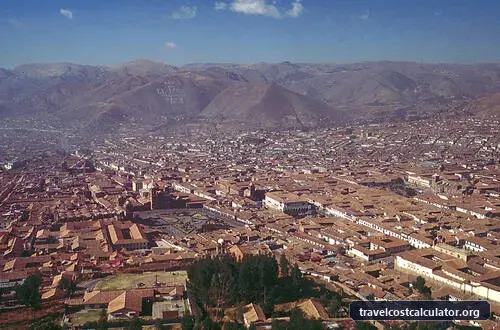
Situated in the Peruvian Andes, Cuzco developed, under the Inca ruler Pachacutec, into a complex urban centre with distinct religious and administrative functions.
City of Cuzco
1. 🏛️ Overview & Historical Significance
High in the Southern Andes of Peru, situated at an altitude of 3,400 meters (11,152 feet), lies the City of Cuzco (also spelled Cusco)—the historic heart of South America and the legendary capital of the Inca Empire (Tawantinsuyu). According to Incan mythology, the city was founded in the 12th century by Manco Cápac under the order of the Sun God, Inti, who named it Qosqo, meaning "Navel of the World" in the Quechua language.
Under the transformative reign of Inca Emperor Pachacuti in the 15th century, Cuzco was meticulously replanned as a complex urban metropolis. The city was intentionally laid out in the shape of a sacred animal: the Puma. The formidable megalithic fortress of Sacsayhuamán formed the animal's head, the sacred Sun Temple of Qorikancha represented its tail, and the bustling central square—today's Plaza de Armas—formed its heart.
Following the Spanish conquest led by Francisco Pizarro in 1533, the conquistadors overlaid a European Renaissance and Baroque city directly onto the precise, mortarless stone foundations of the Inca structures. Rather than destroying the Incan stonework entirely, Spanish builders used these earthquake-resistant base walls to support colonial churches, monasteries, and grand mansions. This violent yet stunning historical fusion produced an architectural landscape unique in human history.
In 1983, UNESCO officially inscribed the City of Cuzco as a World Heritage Site. UNESCO recognized the site for maintaining its unique urban layout intact—a physical manifestation of the imperial Inca power structure seamlessly combined with 16th-century Spanish colonial art and architecture. Key heritage monuments within the protected urban core include:
-
✦
Qorikancha (The Temple of the Sun): The most sacred temple of the Inca Empire, once sheeted in solid gold plates, over which the Convent of Santo Domingo Travel Budget was constructed.
-
✦
Sacsayhuamán Citadel: Located on the northern ridge of the city, boasting massive carved limestone blocks weighing up to 128 tons fitted together so tightly that a piece of paper cannot slip between them.
-
✦
Plaza de Armas & Cusco Cathedral: Built over the Inca palace of Kiswarkancha, housing magnificent examples of the Cusco School of Religious Art, including the iconic painting of the Last Supper featuring a roasted guinea pig (cuy).
-
✦
Calle Hatun Rumiyoc: A narrow Incan street renowned for the Twelve-Angled Stone, demonstrating the extreme precision of Incan stonemasonry.
2. 🎟️ Entrance Fees, Opening Hours & Ticket Booking Tips
Navigating site access in Cuzco requires understanding the official ticket system. Most major archeological sites within the city and surrounding valley are bundled into the official Boleto Turístico del Cusco (BTC), managed by COSITUC, whereas churches and select sites require standalone tickets.
Official Ticket Options & Estimated 2026 Prices
All prices reflect updated 2026 rates in Peruvian Soles (PEN) alongside estimated USD equivalents (at ~3.75 PEN per 1 USD):
-
✦
Boleto Turístico Integral (Full Circuit Pass - BTCI):
- Cost: 130 PEN (~$35.00 USD) for adults; 70 PEN (~$19.00 USD) for valid international students (under 26 with ISIC card).
-
✦
Validity: 10 consecutive days.
-
✦
Includes: 16 attractions, including city sites (Sacsayhuamán, Q'enqo, Puka Pukara, Tambomachay, Monumento a Pachacútec, Museo Sitio Qorikancha) plus Sacred Valley sites (Pisac, Ollantaytambo, Chinchero, Moray, Tipón, Pikillacta).
- Cost: 70 PEN (~$19.00 USD).
- Cost: 15 PEN (~$4.00 USD). Note: Not included in the Boleto Turístico.
- Cost: 40 PEN (~$11.00 USD) adult; 20 PEN (~$5.50 USD) student. (Or buy the Religious Circuit Pass for 70 PEN which adds San Blas and Archbishop's Palace).
Pro Booking & Visit Hacks for 2026
-
✦
Cash is King: Municipal ticket booths (including the main COSITUC office at Av. El Sol 103 and entry gates at Sacsayhuamán) frequently accept only physical cash in Peruvian Soles (PEN). Ensure you carry crisp, un-torn bills.
-
✦
Bring Your Passport: Passport checks are mandatory when entering government-managed historical sites and purchasing tickets.
-
✦
Avoid Fake Guides: Only hire official licensed tour guides wearing valid GEDITUR / DIRCETUR ID lanyards outside Sacsayhuamán and Qorikancha. Standard private guiding fees range from 80 to 120 PEN ($22–$32 USD) for a 2-hour tour.
3. 🚌 How to Get There & Local Transit Costs
Cuzco is the primary travel hub for Southern Peru. Most travelers arrive via air into Cusco's airport or via long-distance bus from Lima, Arequipa, or Puno.
Arriving via Air
Alejandro Velasco Astete International Airport (CUZ) is situated inside the city limits, roughly 5 km (3 miles) southeast of the Historic Center.
-
✦
Flights from Lima (LIM): 1 hour 20 minutes flight duration. Airlines operating this route include LATAM, Sky Airline, and JetSMART. Average 2026 round-trip domestic airfares range between $70 and $180 USD depending on season.
-
✦
Airport to Historic Center Transfer:
- Official Airport Taxi (Inside Terminal): Flat rate of 30–35 PEN (~$8.00–$9.50 USD). Safe and hassle-free.
-
✦
Street Taxi (Outside Airport Gates): Negotiable rate of 15–20 PEN (~$4.00–$5.50 USD).
-
✦
Rideshare (Uber / InDrive): Available, usually costing 18–25 PEN (~$4.80–$6.70 USD).
Arriving via Long-Distance Overland Bus
Buses arrive at the Terminal Terrestre de Cusco (located 3 km south of the center):
-
✦
From Lima: 21–22 hours journey through mountain passes (Companies: Cruz del Sur, Excluciva). Cost: 90–200 PEN (~$24–$53 USD).
-
✦
From Arequipa: 10 hours journey. Cost: 55–110 PEN (~$15–$30 USD).
-
✦
From Puno (Lake Titicaca): 6–7 hours journey. Cost: 45–90 PEN (~$12–$24 USD).
-
✦
Terminal to Center Taxi: 10–15 PEN (~$2.70–$4.00 USD).
Navigating Within the City
The UNESCO historic center of Cuzco is best explored on foot, though steep stone steps can test your stamina due to high elevation. For transit outside the cobblestone core:
-
✦
City Taxis: Cuzco taxis do not have meters. Always agree on the price before opening the door. Standard rides across the historic center cost 7–10 PEN (~$1.90–$2.70 USD). A trip up the hill to Sacsayhuamán costs 15–20 PEN (~$4.00–$5.50 USD).
-
✦
Combis (Local Minivans): Local public minivans (named El Rápido, Beto, etc.) run fixed routes for 1.50 PEN (~$0.40 USD). They are often crowded but budget-friendly.
4. 📸 Best Photography Spots & Insider Visit Hacks
Capturing the ancient spirit of Cuzco requires timing, light management, and high-altitude endurance. Here are the top locations and hacks for an exceptional visit in 2026:
Top Photography Hotspots
-
✦
Plaza de Armas during "Blue Hour": Position yourself on the raised colonnade balconies of the square roughly 20 to 30 minutes after sunset. The warm golden lights of the Cathedral contrast dramatically against the deep blue night sky and surrounding hillside settlements.
-
✦
The Twelve-Angled Stone (Calle Hatun Rumiyoc): Located a short walk from the main square. Insider Tip: Arrive prior to 7:30 AM. After 8:30 AM, street vendors, photo queues, and walking tours crowd the narrow alleyway.
-
✦
Mirador de San Cristóbal: The plaza in front of the Church of San Cristóbal provides a dramatic panoramic view looking down over the orange terracotta rooftops of the central city and the Plaza de Armas.
-
✦
Sacsayhuamán Zigzag Walls: Shoot from the lower grassy plaza facing the massive megalithic walls late in the afternoon (3:30 PM – 5:00 PM) when low sun angles cast long shadows, emphasizing the stone textures.
-
✦
Calle Siete Borreguitos: A charming, narrow stone street adorned with hanging flower pots, colorful tapestries, and traditional blue doors leading up toward San Blas.
Seasonal Weather & Crowd Hacks
-
✦
Dry Season (May – October): Clear blue skies, brilliant sunshine, minimal rain. Ideal for photography. However, winter nights (June–August) drop below freezing (0°C / 32°F).
-
✦
Rainy Season (November – April): Frequent afternoon downpours, but lush green hillsides and smaller crowds. Prices for lodging peak during June (Inti Raymi festival) and drop during January–February.
-
✦
Beating the Soroche (Altitude Sickness): Cuzco sits at 3,400 meters. Do not schedule heavy hikes on Day 1. Rest for the first 4–6 hours, avoid alcohol and heavy meals, and sip traditional mate de coca (coca leaf tea) or muña tea (Andean mint). Many travelers choose to head straight down to the lower elevation of the Sacred Valley (Urubamba or Ollantaytambo at ~2,800m) upon arrival, acclimatize there, and return to explore Cuzco later.
5. 🏨 Nearby Accommodation & Daily Budget Allocation
Cuzco caters to all travel styles, ranging from atmospheric backpacker hostels housed in colonial patios to restored 16th-century luxury monasteries with oxygen-enriched rooms.
Best Neighborhoods to Stay
-
✦
Centro Histórico: Steps from major monuments, dining, and shops. Can be noisy at night near party streets (Calle Tecseco).
-
✦
San Blas: The bohemian artisan quarter. Charming, quieter, filled with trendy cafes, though accessing it requires climbing steep stone staircases.
-
✦
Lucrepata & Santa Ana Travel Budget: Peaceful residential neighborhoods within a 10–15 minute walk to the center, offering lower lodging prices.
Estimated Daily Travel Budgets for 2026
1. Backpacker Budget Planner: $35 – $55 USD / day (130 – 205 PEN)
-
✦
Lodging: Dorm bed in a top-rated social hostel (e.g., Pariwana, Kokopelli, Wild Rover): $12 – $22 USD (45 – 80 PEN) per night.
-
✦
Food: Local market set lunches (Menú del día at Mercado San Pedro Travel Budget or San Blas) featuring soup, main dish, and drink: 10 – 18 PEN ($2.70 – $4.80 USD). Street empanadas or anticuchos: 5 – 10 PEN.
-
✦
Transit & Entry: Walking, local combis, and spacing out the 10-day Boleto Turístico pass.
2. Mid-Range Budget: $110 – $190 USD / day (410 – 710 PEN)
-
✦
Lodging: Private room in a boutique 3-star colonial hotel (e.g., Tierra Viva Cusco Plaza, Quinta San Blas, Casa Andina Standard): $65 – $130 USD (240 – 480 PEN) per night.
-
✦
Food: Sit-down dining at popular mid-range establishments (e.g., Green Point, Cicciolina, Organika, Pachapapa): Mains cost 40 – 80 PEN ($11 – $21 USD).
-
✦
Transit & Entry: Occasional city taxis, official guided group tours, site entry passes.
3. Luxury Budget: $450 – $900+ USD / day (1,700 – 3,400+ PEN)
-
✦
Lodging: 5-star historic luxury property (e.g., Belmond Hotel Monasterio, JW Marriott El Convento Cusco, Palacio del Inka): $380 – $850 USD per night.
-
✦
Food: High-end gastronomy dining (e.g., Chicha by Gastón Acurio, MAP Café): Full meals with wine pairings run 200 – 400 PEN ($53 – $106 USD) per person.
-
✦
Transit & Entry: Private chauffeur airport transfers, private bilingual historian guides, express entry passes.
Frequently Asked Questions
Essential visitor FAQs for City of Cuzco
What is the entrance fee for the City of Cuzco in 2026?
How much time do you need to explore the City of Cuzco?
How do I get to the City of Cuzco from Lima?
📊 Heritage Quick Specs
Visiting Peru on a Budget?
Calculate your full daily travel budget for Peru — including hotel costs, local transport, food, and sightseeing expenses.
View Peru Daily Travel Costs →Explore more UNESCO World Heritage Sites
🏛️ All 1,200+ Heritage Sites →