
 Malawi
Chongoni Rock-Art Area
Situated within a cluster of forested granite hills and covering an area of 126.4 km2, high up the plateau of central Malawi, the 127 sites of this area feature the richest concentration of rock art in Central Africa.
Chongoni Rock-Art Area
🏛️ Overview & Historical Significance
Nestled among the granite inselbergs and miombo woodlands of Malawi’s Central Region, the Chongoni Rock-Art Area represents the densest concentration of rock art in Central Africa. Inscribed as a UNESCO World Heritage site in 2006, this 126.4-square-kilometer reserve contains 127 designated rock shelter sites that preserve a continuous record of human occupation, spiritual ritual, and cultural evolution spanning thousands of years.
What sets Chongoni apart from other African rock art sites is its living cultural heritage and the dual-tradition imagery painted onto its granite overhangs:
-
✦
The BaTwa Red Paintings: The oldest strata of paintings were created by the BaTwa (Pygmy hunter-gatherers) who inhabited the area during the Stone Age through the early Iron Age. Executed in red ochre, these designs feature stylized geometric patterns, fine lines, and naturalistic animal depictions representing hunter-gatherer cosmology.
-
✦
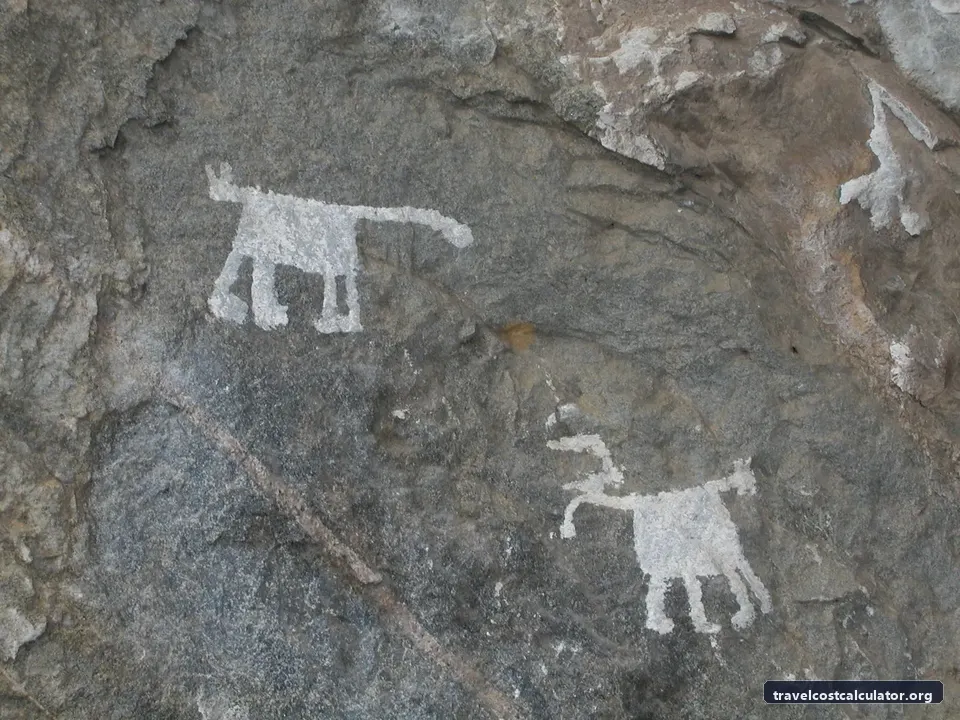
The Chewa White Paintings: Beginning around the 15th century, the agriculturalist Chewa people moved into the region and established a distinct white-clay painting tradition. Uniquely, these white figures—depicting masked dancers, zoomorphic spirits, and symbolic figures—were painted predominantly by women.
Chongoni remains an active sacred landscape. The Chewa rock art is intimately tied to two secret ritual traditions that continue to this day: Chinamwali (the female initiation rites) and the Nyau secret society (associated with ancestor veneration, funerals, and rainmaking ceremonies). Visiting Chongoni offers a rare window into an ancient artistic tradition that still actively serves its community.
🎟️ Entrance Fees, Opening Hours & Ticket Booking Tips
As of 2026, managing visitor access to Chongoni falls under the joint oversight of the Malawi Department of Antiquities and local community heritage committees. Visiting the site is affordable, but requires proper preparation, as digital ticketing infrastructure remains minimal.
Estimated 2026 Entrance & Tour Fees
-
✦
International Visitor Entrance Fee: ~$10 USD (approx. 17,500 MWK) per person.
-
✦
SADC Resident Entrance Fee: ~$5 USD (approx. 8,750 MWK) per person.
-
✦
Malawian National Entrance Fee: ~$2 USD (approx. 3,500 MWK) per person.
-
✦
Mandatory Local Community Guide Fee: ~$15 to $25 USD (approx. 26,000 to 44,000 MWK) per group (up to 5 people). Hiring a local guide is mandatory both for site preservation and navigating the unmarked mountain trails.
Opening Hours & Timing
The main gates and the Chongoni Forestry College visitor desk operate daily from 6:00 AM to 5:00 PM. Hikers should aim to begin their trail ascent no later than 2:00 PM to return before sunset.
Booking Tips & Payment Logistics
-
✦
Cash is Essential: Credit card readers are virtually non-existent at the trailheads. Carry sufficient local currency (Malawian Kwacha) or small-denomination US Dollars printed after 2021.
-
✦
Guide Arrangements: Arrange your community guide at the Dedza Pottery & Lodge office or directly through the Forestry Department office near the entrance road. Advance bookings can be organized via registered Lilongwe Travel Budget tour operators.
-
✦
Permit Validation: Ensure your entry receipt is stamped at the ranger post before heading to the shelters.
🚌 How to Get There & Local Transit Costs
Chongoni is situated in the Dedza District, approximately 85 kilometers south of Lilongwe and 15 kilometers north of Dedza town, just off the primary paved M1 Highway.
From Lilongwe (Nearest Major Transport Hub)
-
✦
By Private / Rental Vehicle (Recommended): Renting a vehicle in Lilongwe provides the most reliable access. Driving south along the paved M1 highway takes roughly 1.5 hours to reach the Chongoni turnoff. A 4x4 vehicle is strongly recommended once off the tarmac, as the secondary dirt tracks leading into the forest reserve are uneven and can deteriorate rapidly.
- Car Rental Cost (2026): $70 – $110 USD per day for a compact SUV/4x4.
- Minibus Fare: ~$3.50 to $5 USD (6,000 – 8,700 MWK) one-way.
- Motorcycle Taxi (Boda-Boda): ~$4 – $7 USD (7,000 – 12,000 MWK) round trip.
📸 Best Photography Spots & Insider Visit Hacks
Because many paintings are exposed on open granite faces or tucked within subtle rock alcoves, timing and lighting are critical for capturing clear photos without compromising conservation standards.
Top 3 Photography Spots
-
✦
1. Chentcherere Rock Shelter: The most famous and easily accessible panel. Features a wide overhang adorned with both red BaTwa motifs and intricate Chewa white masks. High-contrast detail is best captured here in early morning light.
-
✦
2. Mphunzi Mountain Shelters: Located near Mphunzi Hill, this complex features five distinct rock shelters with some of the best-preserved white figures of the Nyau secret society. Offers sweeping panoramic views of the surrounding rural plateau.
-
✦
3. Namzeze Shelter: A scenic shelter surrounded by dense miombo forest, featuring prominent red schematic paintings. The dramatic granite rock face provides an exceptional natural backdrop.
Insider Visit Hacks & Etiquette
-
✦
Lighting Strategy: Visit between 8:30 AM and 11:30 AM. Mid-day sun creates harsh shadows on overhangs, while late afternoon light reduces contrast on red ochre.
-
✦
No Flash & No Touching: Never touch the rock art or apply water/chemicals to make art more visible. Flash photography is prohibited to prevent light-induced fading. Bring a polarizing lens filter to cut glare on granite surfaces.
-
✦
Seasonal Timing: The ideal travel window is during the dry season from May to October. Roads are dry, foliage is thin (improving site visibility), and hiking conditions are pleasant. Avoid peak rainy season (January–March), as dirt tracks turn into mud sloughs.
-
✦
Cultural Etiquette: Always ask your guide before photographing local villages or individuals near the trailheads. Remember that these sites still hold active spiritual significance for local Chewa communities.
🏨 Nearby Accommodation & Daily Budget Allocation
While some travelers visit Chongoni as a day trip from Lilongwe, staying locally in Dedza allows you to start hikes early and support community-driven tourism.
Accommodation Options
-
✦
Budget: Chongoni Forestry College Resthouse
Located directly within the reserve. Basic, clean rooms with shared amenities, ideal for independent backpackers and researchers.
Price Range (2026): $15 – $30 USD per night.
-
✦
Mid-Range: Dedza Pottery & Lodge (Top Recommendation)
Situated in nearby Dedza town (~20 mins from the site). Offers comfortable en-suite chalets, beautiful gardens, a famous pottery workshop, and an outstanding on-site restaurant serving fresh meals.
Price Range (2026): $65 – $110 USD per night (includes breakfast).
-
✦
Luxury / City Hub: Accommodation in Lilongwe
For high-end amenities, base yourself in Lilongwe (e.g., Latitude 13° or The President Hotel) and book a private 4x4 day-excursion to Chongoni with an accredited tour agency.
Price Range (2026): $160 – $320 USD per night.
Estimated Daily Budget Allocation (2026 Rates)
| Traveler Profile | Accommodation | Meals & Drinks | Transit & Entry Fees | Total Daily Budget |
|---|---|---|---|---|
| Budget Backpacker | $20 (College Resthouse) | $12 (Local stalls/markets) | $18 (Minibus + Shared guide) | $50 USD / day |
| Mid-Range Explorer | $85 (Dedza Pottery Lodge) | $30 (Lodge dining) | $45 (Shared driver + Private guide) | $160 USD / day |
| Comfort / Private Tourer | $220 (Lilongwe Boutique Hotel) | $60 (Fine dining) | $120 (Private 4x4 + Tour guide) | $400 USD / day |
Frequently Asked Questions
Essential visitor FAQs for Chongoni Rock-Art Area
What is the entrance fee for Chongoni Rock-Art Area?
How much time do you need to explore Chongoni Rock-Art Area?
How do I get to Chongoni Rock-Art Area from the nearest city?
📊 Heritage Quick Specs
Visiting Malawi on a Budget?
Calculate your full daily travel budget for Malawi — including hotel costs, local transport, food, and sightseeing expenses.
View Malawi Daily Travel Costs →Explore more UNESCO World Heritage Sites
🏛️ All 1,200+ Heritage Sites →