
 Japan
Japan
Buddhist Monuments in the Horyu-ji Area
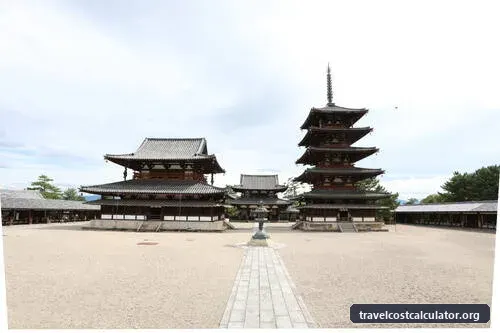
There are around 48 Buddhist monuments in the Horyu-ji area, in Nara Prefecture. Several date from the late 7th or early 8th century, making them some of the oldest surviving wooden buildings in the world. Thes...
Buddhist Monuments in the Horyu-ji Area
🏛️ Overview & Historical Significance
Nestled in the tranquil town of Ikaruga in Nara Prefecture, Japan, the Buddhist Monuments in the Horyu-ji Area represent one of the most culturally significant, architecturally astounding, and sacred complexes in East Asia. In 1993, UNESCO designated this cluster of sacred sites as Japan’s very first World Heritage Site (alongside Himeji Castle). The inscription encompasses 48 ancient wooden structures across two primary sites: Hōryū-ji (法隆寺) and the nearby Hokki-ji (法起寺).
Founded in 607 AD by Prince Shōtoku (Shōtoku Taishi), the revered patron of Japanese Buddhism and Regent of Imperial Japan, Hōryū-ji was established to carry out the Prince’s vision of spreading Buddhist philosophy across the nation. Following a disastrous fire in 670 AD, the temple was meticulously rebuilt. Today, the core structures of Hōryū-ji’s Western Precinct (Saiin Garan)—including the Kondō (Main Hall) and the breathtaking Five-Story Pagoda (Gojūno-tō)—stand as the world's oldest surviving wooden buildings, boasting over 1,300 years of unbroken structural integrity.
From an architectural standpoint, the complex serves as a living museum of early Silk Road cultural transmission. Visitors will observe unique architectural features lost in mainland Asian temples of the same period: entasis (slight swelling of the central columns reminiscent of classical Greek architecture), asymmetric precinct layouts, and intricate double-bracket systems (dougong) constructed entirely from ancient hinoki (Japanese cypress). Beyond the woodwork, Hōryū-ji houses thousands of national treasures, including seventh-century gilt-bronze Buddhist triads, the enigmatic Kudara Kannon sculpture, and sacred relics that bridge the gap between ancient India, Tang Dynasty China, Baekje Korea, and early Asuka-period Japan.
🎟️ Entrance Fees, Opening Hours & Ticket Booking Tips
Planning your visit to Hōryū-ji in 2026 requires understanding its precinct-based admission system. Unlike many modern tourist spots, you purchase a single comprehensive ticket that grants access to all three major areas of Hōryū-ji: the Saiin Garan (Western Precinct), the Daihōzō-in (Gallery of Temple Treasures), and the Tōin Garan (Eastern Precinct / Hall of Dreams).
2026 Estimated Entrance Fees
-
✦
Hōryū-ji Combined Adult Ticket: ¥1,500 JPY (approx. $10.00 USD / €9.20 EUR)
-
✦
Hōryū-ji Children Ticket (Elementary & Junior High): ¥750 JPY (approx. $5.00 USD / €4.60 EUR)
-
✦
Hokki-ji Adult Ticket (Separate Site): ¥300 JPY (approx. $2.00 USD / €1.85 EUR)
-
✦
Hokki-ji Children Ticket: ¥150 JPY (approx. $1.00 USD / €0.90 EUR)
Opening Hours (2026 Schedule)
-
✦
Summer Season (Feb 22 – Nov 3): 8:00 AM – 5:00 PM (Last admission at 4:30 PM)
-
✦
Winter Season (Nov 4 – Feb 21): 8:00 AM – 4:30 PM (Last admission at 4:00 PM)
-
✦
Note: Hokki-ji follows a similar schedule but generally closes 30 minutes earlier than Hōryū-ji.
Insider Ticket Booking & Visitor Tips
Unlike crowded attractions in Kyoto Travel Budget, Hōryū-ji does not require advance online reservation slots for general admission. You can purchase tickets directly at the main ticket gate (Nandaimon / South Main Gate). However, keep the following 2026 payment and visiting logistics in mind:
-
✦
Cash & Contactless Payments: While major ticketing booths accept contactless IC cards (Suica, ICOCA, Pasmo) and credit cards in 2026, cash in Japanese Yen (JPY) is still strongly recommended for small souvenir counters, audio guide rentals, and local bus fares.
-
✦
Audio Guides: English audio guides are available for rental near the main entrance gate for ¥500 JPY ($3.35 USD). Highly recommended to navigate the dense iconographic history inside the Daihōzō-in treasure hall.
-
✦
Ticket Retention: Keep your physical ticket handy at all times! You must present it to gate wardens at three separate security checkpoints as you move between the Western Precinct, the Treasure Gallery, and the Eastern Precinct.
🚌 How to Get There & Local Transit Costs
Located roughly 12 kilometers southwest of central Nara City and 25 kilometers east of Osaka, the Hōryū-ji area is easily accessible via Japan's efficient rail and bus network. Below are step-by-step route breakdowns and transit expenses updated for 2026.
Route 1: From JR Nara Station (Fastest & Easiest)
-
✦
Train: Take the JR Yamatoji Line (Yamatoji Rapid or Local Service) bound for Osaka/Tennoji from JR Nara Station to JR Hōryūji Station.
-
✦
Travel Time: 12 minutes (3 stops).
-
✦
Cost: ¥240 JPY (approx. $1.60 USD). Fully covered by the JR Pass and Kansai Area Pass.
Route 2: From Central Osaka (Osaka / Tennoji Stations)
-
✦
Train: Board the JR Yamatoji Rapid Service from JR Tennoji Station (or JR Osaka Station) directly to JR Hōryūji Station.
-
✦
Travel Time: 25 minutes from Tennoji; ~45 minutes from JR Osaka Station.
-
✦
Cost: ¥470 JPY (approx. $3.15 USD) from Tennoji / ¥800 JPY (approx. $5.35 USD) from Osaka Station.
Route 3: From Kyoto Station
-
✦
Train: Board the JR Miyakoji Rapid Service from JR Kyoto Station to JR Nara Station (~45 mins), then transfer to the JR Yamatoji Line to JR Hōryūji Station (~12 mins).
-
✦
Travel Time: Total journey takes approx. 60 to 75 minutes.
-
✦
Cost: ¥990 JPY (approx. $6.60 USD).
Connecting Transport: JR Hōryūji Station to the Temple Complex
Once you arrive at JR Hōryūji Station, you have four choices for the final 1.5 km leg to the temple grounds:
-
✦
Nara Kotsu Local Bus (#72 or #63): Departs from the station's South Exit directly to the Horyuji-mae stop. Takes 8 minutes and costs ¥200 JPY ($1.35 USD). Passes accept ICOCA/Suica cards.
-
✦
Walking (Recommended for Leisure): A delightful, flat 20-minute walk (1.5 km) along a tree-lined avenue marked with English directional signage, lined with traditional houses and local teahouses.
-
✦
Rental Bicycle: Bicycles can be rented outside JR Hōryūji Station for around ¥500 JPY ($3.35 USD) per day, offering a great way to explore both Hōryū-ji and Hokki-ji (2 km apart).
-
✦
Taxi: Taxis are readily available at the station front. The fare to the temple gate costs roughly ¥1,000 – ¥1,200 JPY ($6.70 – $8.00 USD).
📸 Best Photography Spots & Insider Visit Hacks
Capturing the timeless serenity of the ancient Asuka and Nara period architecture requires knowing where—and when—to shoot. Because Hōryū-ji is a practicing Buddhist monastery and sensitive Heritage site, photography guidelines are strictly enforced.
Top Photography Angles
-
✦
The Saiin Garan Low-Angle Framed Shot: Stand near the southwest corner of the inner courtyard in the Western Precinct. Using a wide-angle lens (16–24mm equivalent), frame both the 32.5-meter Five-Story Pagoda and the broad-roofed Kondō (Main Hall) side-by-side against the sky.
-
✦
The Chūmon Gate & Nio Guardians: Photograph the ancient Middle Gate (Chūmon) from the south approach. The wooden Nio guardian statues, dating back to 711 AD, frame the entrance dramatically.
-
✦
Yumedono (The Octagonal Hall of Dreams): Located in the Eastern Precinct, this iconic octagonal pavilion looks spectacular framed by blooming weeping cherry trees in spring or vibrant maple leaves in autumn.
-
✦
Hokki-ji Pagoda & Autumn Cosmos Fields: Located 2 km northeast of Hōryū-ji, Hokki-ji boasts Japan's oldest three-story wooden pagoda (completed around 706 AD). In October and November, local farmers plant vast fields of pink and white cosmos flowers surrounding the pagoda, creating one of Nara’s most breathtaking countryside photography backdrops.
Insider Visit Hacks & Rules
-
✦
Strict Indoor Photography Bans: Photography is strictly forbidden inside all temple interiors, particularly within the Daihōzō-in (Treasure Gallery) and inside the Kondō. Always look for signage and respect the sacred artifacts.
-
✦
Beat the Tour Buses: Large tour groups generally arrive between 10:30 AM and 2:00 PM. Plan to arrive right when gates open at 8:00 AM. You will practically have the ancient wooden cloisters to yourself, accompanied only by the soft morning ambient light.
-
✦
Footwear Logistics: You will need to remove your shoes to enter certain covered corridor display areas and temple sub-halls. Wear comfortable, easy-to-slip-off shoes and clean socks.
-
✦
Optimal Seasons: Autumn (Late October to Late November) brings crisp air, vibrant foliage, and cosmos fields around Hokki-ji. Spring (Late March to Mid-April) offers delicate cherry blossoms around the outer precincts without the overwhelming crowd density of central Kyoto.
🏨 Nearby Accommodation & Daily Budget Allocation
While many visitors explore Ikaruga as a day trip from Kyoto or Osaka, staying overnight in the town of Ikaruga or central Nara City offers a tranquil cultural experience. Here is a breakdown of accommodation options and realistic daily budgets for 2026 travelers.
Where to Stay: Recommended Accommodation Tiers
-
✦
Budget Option (Hostel / Guesthouse): Guesthouse Ikaruga or local hostels near JR Nara Station. Expect clean dorms or basic private Japanese-style rooms within walking distance or a short train ride from the temple.
Price Range: $30 – $55 USD (¥4,500 – ¥8,200 JPY) per night. -
✦
Mid-Range Option (Comfort Hotel / Modern Ryokan): Piazza Hotel Nara or Hotel Nikko Nara (located right at JR Nara Station for seamless transit to Hōryūji). Offers modern rooms, Western amenities, and great breakfast buffets.
Price Range: $85 – $160 USD (¥12,800 – ¥24,000 JPY) per night. -
✦
Luxury Option (Traditional High-End Ryokan): Kasuga Hotel or Tsukihitei (nestled in the ancient forests of Nara Park). Offers authentic multi-course Kaiseki dining, private hot-spring baths, and impeccable omotenashi hospitality.
Price Range: $350 – $650+ USD (¥52,500 – ¥97,500+ JPY) per night.
2026 Estimated Daily Budget Allocations
To help you plan your travel wallet effectively, here are three realistic daily cost profiles for exploring the Hōryū-ji area and greater Nara:
1. Backpacker / Independent Backpacker Budget Planner
-
✦
Accommodation: $35 USD (Dorm bed in Nara City)
-
✦
Food & Drinks: $20 USD (Convenience store breakfast, local ramen or udon lunch near Ikaruga)
-
✦
Transport: $6 USD (Round-trip local JR trains and walking)
-
✦
Attraction Tickets: $12 USD (Hōryū-ji combined pass + Hokki-ji)
-
✦
Total Daily Budget: ~$73.00 USD / person (approx. ¥11,000 JPY)
2. Mid-Range Comfort Budget
-
✦
Accommodation: $110 USD (Double room shared, $55 per person)
-
✦
Food & Drinks: $45 USD (Sit-down Japanese lunch set in Ikaruga, craft beers, dinner at a Nara izakaya)
-
✦
Transport: $12 USD (Trains, local buses, bike rental)
-
✦
Attraction Tickets: $15 USD (Temple entrance + English audio guide)
-
✦
Total Daily Budget: ~$127.00 USD / person (approx. ¥19,000 JPY)
3. Luxury & Cultural Immersion Budget
-
✦
Accommodation: $400 USD (Luxury Ryokan per night half-board, $200 per person)
-
✦
Food & Drinks: $90 USD (Gourmet lunch, high tea, specialty matcha sweets)
-
✦
Transport: $40 USD (Private taxi transfers between stations and temples)
-
✦
Attraction Tickets: $30 USD (Private licensed tour guide share + full access passes)
-
✦
Total Daily Budget: ~$360.00 USD / person (approx. ¥54,000 JPY)
Frequently Asked Questions
Essential visitor FAQs for Buddhist Monuments in the Horyu-ji Area
What is the entrance fee for Buddhist Monuments in the Horyu-ji Area?
How much time do you need to explore Buddhist Monuments in the Horyu-ji Area?
How do I get to Buddhist Monuments in the Horyu-ji Area from the nearest city?
📊 Heritage Quick Specs
Visiting Japan on a Budget?
Calculate your full daily travel budget for Japan — including hotel costs, local transport, food, and sightseeing expenses.
View Japan Daily Travel Costs →Explore more UNESCO World Heritage Sites
🏛️ All 1,200+ Heritage Sites →