
 Senegal
Bassari Country: Bassari, Fula and Bedik Cultural Landscapes
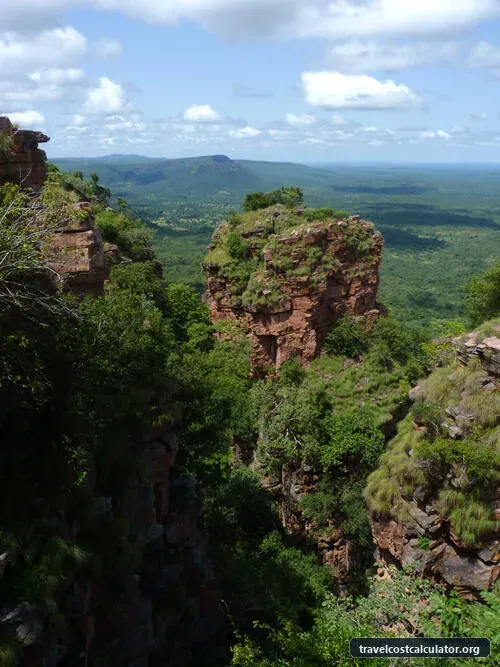
The site, located in south-east Senegal, includes three geographical areas: the Bassari–Salémata area, the Bedik–Bandafassi area and the Fula–Dindéfello area, each with its specific morphological traits.
Bassari Country: Bassari, Fula and Bedik Cultural Landscapes
🏛️ Overview & Historical Significance
Inscribed as a UNESCO World Heritage site in 2012, the Bassari Country: Bassari, Fula and Bedik Cultural Landscapes represents one of West Africa's most extraordinarily preserved cultural sanctuaries. Situated in the isolated, rocky folds of southeastern Senegal near the Guinean border, this 50,000-hectare site encompasses three distinct geographic and cultural zones: the Bassari area (around Sal Travel Budgetémata), the Bedik area (around Bandafassi and Iwol), and the Fula area (around Dindefelo and the Fouta Djallon foothills).
The historical significance of this region lies in how these indigenous communities adapted to a challenging natural environment while resisting external religious and military pressures from the 11th through the 19th centuries. Forced into the high rocky plateaus of the Kedougou region to escape slave raids and forced conversions during the expansion of Islamic empires, the Bassari and Bedik people constructed fortified hilltop villages, ingenious agricultural terraces, and sustainable agro-forestry systems that persist intact into 2026.
UNESCO recognized the region not just for its physical architecture—characterized by dry-stone terraces, thatched-roof huts, and sacred granaries—but for its living cultural traditions. The Bassari and Bedik maintain animist and syncretic spiritual practices, age-grade initiation ceremonies (such as the famous Bassari Lokuto mask dances), and communal land management systems. The Fula population, residing predominantly in the valley floors and foothill villages like Dindefelo, adds a pastoral layer to this complex cultural mosaic, creating a human-landscape interaction found nowhere else in Sub-Saharan Africa.
🎟️ Entrance Fees, Opening Hours & Ticket Booking Tips
Unlike centralized historical monuments, Bassari Country operates as a living cultural landscape managed by local village councils and eco-tourism syndicates. There is no single ticket office; instead, visitors pay micro-fees to individual communities, eco-museums, and nature reserves. All financial transactions in 2026 are cash-only using the West African CFA Franc (XOF).
Estimated 2026 Fee Breakdown
-
✦
Customary Village Permission Fee (e.g., Iwol or Ethiolo): 2,000 – 3,000 XOF ($3.30 – $5.00 USD) per person, paid directly to the village chief (Chef de Village).
-
✦
Mandatory Local Guide Fee: 10,000 – 15,000 XOF ($16.50 – $25.00 USD) per day for a certified community guide (mandatory for navigating trails and adhering to village etiquette).
-
✦
Bandafassi Eco-Museum Entry: 2,000 XOF ($3.30 USD) per person.
-
✦
Dindefelo Nature Reserve & Waterfall Entry Fee: 2,000 XOF ($3.30 USD) per person.
Opening Hours & Visit Etiquette
Villages and trails are accessible from sunrise to sunset (07:00 to 18:00 daily). However, visiting hours are dictated by community routines. Visiting after nightfall without explicit local permission is strictly discouraged due to local traditions regarding sacred spaces and night spirits.
Booking Tips & Cash Management
-
✦
No Advance Online Booking: There are no online ticket portals for Bassari Country. Arrangements are made on-site through local guide associations based in Kédougou or at village tourism points (Bandafassi and Dindefelo).
-
✦
Stock Up on Cash in Dakar Travel Budget or Tambacounda: ATMs in Kédougou frequently run out of cash or experience power outages. Withdraw sufficient XOF before traveling south.
-
✦
Small Denominations: Bring 1,000 XOF and 2,000 XOF notes. Village chiefs and local guides rarely have change for 10,000 XOF bills.
🚌 How to Get There & Local Transit Costs
Reaching Bassari Country requires a multi-stage journey starting from Dakar to Kédougou, the principal regional capital and transit hub located approximately 700 kilometers southeast.
Step 1: Dakar to Kédougou
-
✦
Sept-Place Bush Taxi (Shared Peugeot 504/7-seater): Departs from Dakar's Gare Routière des Beaux Maraîchers in Pikine. Fares in 2026 run between 13,000 and 16,000 XOF ($21.00 – $26.00 USD) per seat. Journey duration is 10 to 12 hours via the paved N1/N7 highways through Tambacounda.
-
✦
Long-Distance Minibus (Ndiaga Ndiaye / Tata): Costs 9,000 – 11,000 XOF ($15.00 – $18.00 USD), but can take up to 14–16 hours due to frequent stops.
-
✦
Private 4x4 Vehicle Rental with Driver: Highly recommended for navigating the rough interior tracks of the park. Expect to pay 60,000 – 80,000 XOF ($100.00 – $130.00 USD) per day, excluding fuel.
Step 2: Kédougou to the Cultural Landscapes
From Kédougou, you must take local transit to reach the specific tribal sectors:
-
✦
To Bandafassi & Iwol (Bedik Country): Bandafassi sits 15 km west of Kédougou. A motorcycle taxi (Jakarta) costs 2,000 – 3,000 XOF ($3.30 – $5.00 USD) one-way. A shared bush taxi seat costs 1,000 XOF ($1.65 USD). From Bandafassi, reaching the mountain village of Iwol requires a steep 45-to-60-minute trek on foot.
-
✦
To Salémata & Ethiolo (Bassari Country): Salémata lies 85 km southwest of Kédougou across unpaved, dusty tracks. Shared 4x4 bush taxis cost 3,500 – 5,000 XOF ($5.80 – $8.25 USD) one-way and take 2.5 to 4 hours depending on road conditions.
-
✦
To Dindefelo (Fula Country & Waterfall): Located 35 km south of Kédougou. A moto-taxi costs 4,000 – 6,000 XOF ($6.60 – $10.00 USD) one-way, while a shared bush taxi seat costs 2,000 XOF ($3.30 USD).
📸 Best Photography Spots & Insider Visit Hacks
Prime Photography Locations
-
✦
Iwol Village Peak: The iconic Bedik village perched atop the Bandafassi mountains. Capture traditional thatched round huts framed by massive centuries-old baobab trees with panoramic views of the plains below.
-
✦
Ethiolo Village Architecture: Located deep in Bassari territory near Salémata. Photograph the intricate woven-bamboo fencing, terraced millet plots, and sacred community meeting areas.
-
✦
Dindefelo Waterfall Gorge: A dramatic 100-meter drop surrounded by dense evergreen foliage and sheer basalt cliffs in the Fula foothills. The natural pool offers pristine lighting in the early morning.
Insider Travel Hacks & Cultural Protocols
-
✦
The Cola Nut & Tea Custom: Always carry a small gift of green tea boxes or fresh cola nuts when entering a village. Handing these to your guide to present to the Chef de Village establishes immediate goodwill and secures permission to walk through the settlement.
-
✦
Photography Permission: Never point a camera at villagers—especially elders, women, or ritual spaces—without asking first through your guide. Photography of initiation shrines is strictly forbidden.
-
✦
Optimal Seasonal Timing: The best window to visit is November through February. Temperatures are manageable (28°C to 34°C / 82°F to 93°F), air quality is relatively clear, and hiking paths are dry. Avoid March through May when scorching heat frequently exceeds 42°C (108°F). The rainy season (July–October) turns dirt tracks into impassable mud, making remote villages inaccessible.
-
✦
Trekking Gear: The paths to hilltop Bedik villages involve steep climbs over loose volcanic shale. High-traction trekking boots, a sun hat, and a minimum of 3 liters of water per person are mandatory for every hike.
🏨 Nearby Accommodation & Daily Budget Allocation
Accommodation in Bassari Country consists primarily of eco-campements, village homestays, and modest mid-range hotels in Kédougou.
Where to Stay
-
✦
Budget Eco-Campements: Campement Le Bedik (Bandafassi) and Campement Villageois de Dindefelo. Offers basic round thatched huts (boukarous) with bucket showers or shared bathrooms. 10,000 – 18,000 XOF ($16.50 – $30.00 USD) per night (includes breakfast).
-
✦
Mid-Range Hotels (Kédougou Hub): Hotel Le Relais de Kédougou or Bedik Hotel. Features air-conditioned rooms, private bathrooms, swimming pools, and Wi-Fi. 35,000 – 55,000 XOF ($58.00 – $90.00 USD) per night.
Dining Costs
Dining options outside Kédougou are limited to village eco-campements and roadside gargottes (local eateries):
-
✦
Local Eateries (Kédougou): Plates of Thieboudienne (rice and fish), Yassa Poulet, or Mafé cost 1,500 – 3,000 XOF ($2.50 – $5.00 USD).
-
✦
Campement Table d'Hôte: Set daily menus featuring local millet dishes, chicken, or grilled fish cost 4,500 – 7,000 XOF ($7.50 – $11.50 USD) per meal.
Daily Budget Estimations (Per Person for 2026)
-
✦
Backpacker / Budget Traveler: $35 – $50 USD / day (21,000 – 30,000 XOF)
- Transit via shared bush taxis and moto-taxis.
-
✦
Stay in village campements / thatched huts.
-
✦
Eat at local village eateries.
-
✦
Share local guide fees across a group.
- Stay in air-conditioned Kédougou hotels.
Frequently Asked Questions
Essential visitor FAQs for Bassari Country: Bassari, Fula and Bedik Cultural Landscapes
What is the entrance fee for Bassari Country: Bassari, Fula and Bedik Cultural Landscapes?
How much time do you need to explore Bassari Country: Bassari, Fula and Bedik Cultural Landscapes?
How do I get to Bassari Country: Bassari, Fula and Bedik Cultural Landscapes from the nearest city?
📊 Heritage Quick Specs
Visiting Senegal on a Budget?
Calculate your full daily travel budget for Senegal — including hotel costs, local transport, food, and sightseeing expenses.
View Senegal Daily Travel Costs →Explore more UNESCO World Heritage Sites
🏛️ All 1,200+ Heritage Sites →