
 Costa Rica
Area de Conservación Guanacaste
The Area de Conservación Guanacaste (inscribed in 1999), was extended with the addition of a 15,000 ha private property, St Elena.
Area de Conservación Guanacaste
🏛️ Overview & Historical Significance
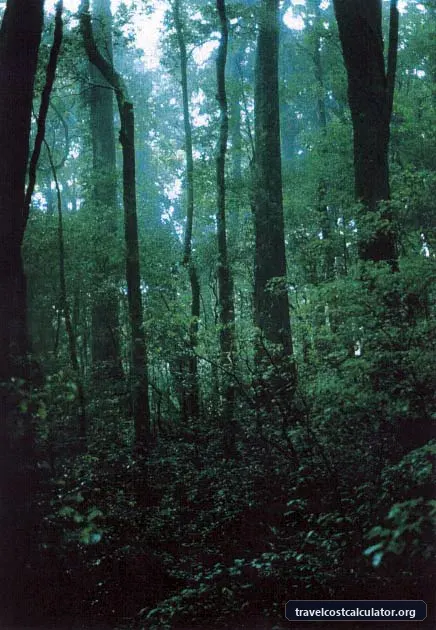
Stretching from the turquoise Pacific waters of the Santa Elena Peninsula up to the volcanic peaks of Orosí and Cacao, the Área de Conservación Guanacaste (ACG) is one of the most ecologically vital reserves on Planet Earth. Inscribed as a UNESCO World Heritage site in 1999 (and expanded in 2004 to include the marine sector), ACG protects an uninterrupted biological corridor of roughly 147,000 hectares. It encompasses four of the five tropical ecosystems: marine and coastal zones, dry forest, cloud forest, and Caribbean low-land rain forest.
The UNESCO designation recognizes ACG for two main reasons. First, it contains the most significant and intact tropical dry forest habitat remaining in Central America—an ecosystem far more threatened globally than humid rain forests. Second, it serves as an extraordinary living laboratory for evolutionary processes, hosting an estimated 2.6% of the world's total terrestrial biodiversity across more than 335,000 recorded species of plants, insects, birds, and mammals.
Beyond its ecological supremacy, ACG holds profound cultural and historical significance for Costa Rica. Situated within the Santa Rosa Sector stands La Casona, a restored historic ranch house where Costa Rican civilian forces famously defeated invading foreign filibusters led by William Walker in the historic Battle of Santa Rosa on March 20, 1856. Furthermore, ACG is renowned among environmental scientists as the birthplace of modern landscape-scale tropical restoration ecology, driven largely by pioneering researchers Dr. Daniel Janzen and Winnie Hallwachs alongside local Costa Rican parataxonomists.
🎟️ Entrance Fees, Opening Hours & Ticket Booking Tips
Visiting the Área de Conservación Guanacaste requires navigating several designated protected sectors, as the reserve spans multiple national parks and wildlife refuges under Costa Rica's Sistema Nacional de Áreas de Conservación (SINAC). In 2026, entrance fees and online reservation policies have been streamlined for international travelers.
2026 Entrance Fee Structure
-
✦
Santa Rosa Sector (Main Entrance & Historic Casona): $16.95 USD (~8,800 CRC) for non-resident adults; $5.65 USD (~2,900 CRC) for non-resident children (ages 2–12).
-
✦
Rincón de la Vieja Sector (Las Pailas & Santa María): $16.95 USD (~8,800 CRC) for non-resident adults; $5.65 USD (~2,900 CRC) for non-resident children.
-
✦
Junquillal Bay Wildlife Refuge Sector: $5.65 USD (~2,900 CRC) for non-resident adults; $2.25 USD (~1,200 CRC) for children.
-
✦
Murciélago & Sector Marine (Islas Murciélago / Boat Permits): $16.95 USD per person park entry + variable marine entry fees depending on charter arrangement ($15–$30 USD per vessel operator tax).
Opening Hours & Sector Logistics
-
✦
Santa Rosa Sector: Open daily from 8:00 AM to 3:30 PM.
-
✦
Rincón de la Vieja Sector (Las Pailas): Open Tuesday to Sunday, 8:00 AM to 3:00 PM (CLOSED MONDAYS for conservation maintenance).
-
✦
Junquillal Bay Sector: Open daily from 8:00 AM to 4:00 PM.
Essential 2026 Ticket Booking Tips
Mandatory SINAC Online Reservations: Cash is no longer accepted for park entry tickets at the physical gates of primary sectors such as Rincón de la Vieja and Santa Rosa. Visitors must purchase entry permits online prior to arrival through the official SINAC Portal (serviciosreal.sinac.go.cr). Reserve your entry slot at least 48 to 72 hours in advance during peak dry season (December–April).
Identification Rules: Park rangers strictly enforce entry validation. You must bring a physical passport (or a high-resolution color print/photo on your smartphone) matching the full legal name used during online ticket registration.
🚌 How to Get There & Local Transit Costs
The primary transit hub for reaching any sector of the Área de Conservación Guanacaste is Liberia (home to Daniel Oduber Quirós International Airport - LIR), located approximately 35 km (22 miles) south of the main Santa Rosa park entrance and 25 km (15 miles) southwest of Rincón de la Vieja.
Option 1: Rental Vehicle (Recommended)
To fully experience ACG’s sprawling terrain, renting a vehicle is highly recommended.
-
✦
Compact / Economy Car: Suitable for getting to the paved main gate of Santa Rosa and the paved access road to Rincón de la Vieja (Las Pailas). Rental rates in 2026 average $35 – $55 USD per day (including mandatory liability insurance).
-
✦
4x4 SUV (High Clearance): Absolute requirement if you plan to venture off the main highway down to Playa Naranjo (Witch’s Rock), the Murciélago Sector, or higher elevation research stations. SUV rates range from $60 – $105 USD per day.
Option 2: Public Bus from Liberia
If traveling on a budget, public transportation easily gets you to the perimeter highway entrances along Route 1 (Interamerican Highway North):
-
✦
Bus to Santa Rosa Gate: Take the Grupo Reyna bus heading from Liberia toward Peñas Blancas (Nicaraguan border) or La Cruz. Buses depart hourly from the Municipal Bus Terminal in Liberia.
- Fare: ~$2.50 USD (1,300 CRC) one-way.
-
✦
Drop-off point: Ask the driver for "Entrada al Parque Nacional Santa Rosa".
-
✦
Last-Mile Connectivity: From the highway gate, it is a 7 km (4.3-mile) paved walk or bike ride up to the Casona visitor center. Taxis occasionally wait near the junction ($10–$15 USD standard fee).
- Fare: ~$4.00 USD (2,100 CRC) one-way.
Option 3: Taxi & Private Shuttles
-
✦
Official Red Taxi (Liberia to Santa Rosa Casona): $45 – $60 USD one-way.
-
✦
Shared Tour Shuttles (Liberia/Playa Hermosa to Rincón de la Vieja): $25 – $40 USD round-trip per passenger.
📸 Best Photography Spots & Insider Visit Hacks
Top Photography Locations
-
✦
La Casona Historic Monument (Santa Rosa): Capture the rich wooden architecture of this 19th-century hacienda framed by towering Guanacaste trees. Golden hour (4:00 PM – 5:15 PM) casts dramatic shadows across the historic courtyard.
-
✦
Mirador Valle Naranjo: Located along the trail toward Playa Naranjo, this look-out point provides sweeping panoramic shots of the tropical dry forest canopy rolling down to the Pacific coastline.
-
✦
Roca Bruja (Witch’s Rock at Playa Naranjo): Accessible via 4x4 or charter boat, this iconic volcanic rock formation rising dramatically out of the ocean surf is a legendary landscape and surf photography destination.
-
✦
Las Pailas Volcanic Mud Pots & Fumaroles (Rincón de la Vieja Sector): Geothermal steam vents, bubbling grey clay pits, and vibrant turquoise river pools (Rio Blanco) offer otherworldly geological photography.
Insider Visit Hacks
1. Seasonal Timing Strategy: Visit between late December and April (Dry Season) to witness the unique adaptation of the tropical dry forest, when trees shed leaves to conserve water, making wildlife spotting (white-tailed deer, howler monkeys, coatis, and variegated squirrels) exceptionally easy. Alternatively, visit in June or July ("Little Summer" / Veranillo) for lush green landscapes, flowing waterfalls, and active sea turtle nesting events.
2. Beat the Heat and Crowds: Heat indexes in the dry forest frequently exceed 35°C (95°F) by midday. Enter the park precisely at the 8:00 AM opening time. Finish terrestrial hikes by 11:30 AM to avoid extreme heat stress and sun exposure.
3. Gear Essentials: Bring a minimum of 2.5 Liters of water per person (hydration bladders are ideal), reef-safe sunscreen, a broad-brimmed hat, sturdy closed-toe hiking shoes (lava rock in Rincón de la Vieja is sharp), and high-potency insect repellent for tick and mosquito protection.
🏨 Nearby Accommodation & Daily Budget Allocation
Accommodations around ACG cater to every travel style, ranging from basic park campsites to eco-lodges situated on active cattle ranches and high-end coastal resorts.
Accommodation Options
-
✦
Budget ($15 – $45 USD / night):
- Park Camping (Santa Rosa / Junquillal): Official designated campsites feature basic restrooms and cold showers ($4 USD camping fee + park entrance per day).
-
✦
Hostels in Liberia or La Cruz: Dorm beds starting around $18–$25 USD/night; private rooms for $40 USD.
- Eco-Lodges near Curubandé / Rincón de la Vieja: Properties like Hacienda Guachipelín or Hotel Buena Vista offer comfortable rustic rooms, geothermal hot spring access, and farm-to-table breakfast packages.
- Boutique eco-resorts tucked into the foothills of Guanacaste's volcanoes or luxury beach resorts along the Papagayo Peninsula offering guided private tours into the ACG reserve.
Dining & Local Food Costs
Eating locally at traditional Costa Rican eateries known as Sodas is the best way to manage food expenses. A traditional Casado (rice, black beans, plantains, salad, and chicken, beef, or fish) costs between $6.00 and $9.00 USD (3,000 – 4,700 CRC). Dining at resort restaurants or mid-range hotel dining rooms averages $20.00 – $45.00 USD per main meal.
Estimated Daily Travel Budgets (2026 Projections)
-
✦
Backpacker / Budget Traveler: $45 – $65 USD / day (Public transit, camping or shared hostel dorm, eating at local sodas, self-guided hiking).
-
✦
Flashpacker / Mid-Range Traveler: $140 – $240 USD / day (Rental compact car Split Travel Budget between two people, mid-range eco-lodge, mix of sodas and hotel dining, entry fees for multiple sectors).
-
✦
Luxury Eco-Traveler: $450 – $850+ USD / day (Private 4x4 vehicle or guided private transfers, high-end boutique resort stay, private naturalism guides, scuba diving charters to Islas Murciélago).
Frequently Asked Questions
Essential visitor FAQs for Area de Conservación Guanacaste
What is the entrance fee for Area de Conservación Guanacaste?
How much time do you need to explore Area de Conservación Guanacaste?
How do I get to Area de Conservación Guanacaste from the nearest city?
📊 Heritage Quick Specs
Visiting Costa Rica on a Budget?
Calculate your full daily travel budget for Costa Rica — including hotel costs, local transport, food, and sightseeing expenses.
View Costa Rica Daily Travel Costs →Explore more UNESCO World Heritage Sites
🏛️ All 1,200+ Heritage Sites →