
 China
China
Archaeological Ruins of Liangzhu City
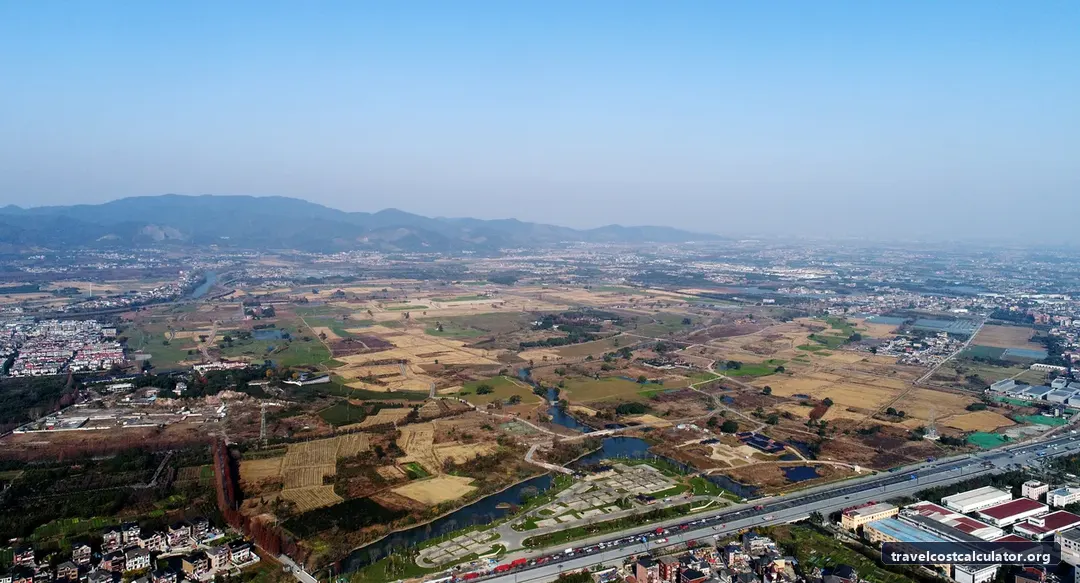
Located in the Yangtze River Basin on the south-eastern coast of the country, the archaeological ruins of Liangzhu (about 3,300-2,300 BCE) reveal an early regional state with a unified belief system based on rice cultivation in Late Neolithic China.
Archaeological Ruins of Liangzhu City
🏛️ Overview & Historical Significance
Inscribed as a UNESCO World Heritage Site in 2019, the Archaeological Ruins of Liangzhu City (良渚古城遗址) represent one of the most momentous archaeological discoveries of the 21st century. Located in the Yangtze River Basin in eastern China (modern-day Hangzhou, Zhejiang Province), this sprawling site provides undisputed physical proof that Chinese civilization extends back 5,000 years—placing it on equal historical footing with ancient Egypt, Mesopotamia, and the Indus Valley civilization.
Flourishing during the late Neolithic period between 3300 BCE and 2300 BCE, the Liangzhu culture was an exceptionally advanced urban society built around large-scale wet-rice agriculture. The designated World Heritage zone encompasses four key archaeological areas: the Inner City, the massive elevated Mojianshan Palace Platform, the elite burial grounds at Fanshan Cemetery, and a breathtaking Peripheral Water Conservancy System—the world's earliest known large-scale hydraulic engineering project.
What sets Liangzhu apart for international travelers and history enthusiasts is its astonishing level of social stratification and artistic refinement. Liangzhu craftspeople mastered the art of carving super-hard nephrite jade into sacred ritual objects: the square-column Jade Cong (琮) symbolizing the earth, and the circular Jade Bi (璧) representing the heavens. Today, visiting the sprawling 3.6-square-kilometer open-air archaeological park allows travelers to walk alongside reconstructed ancient city walls, explore active excavation sites, interact with semi-wild sika deer, and witness the dawn of East Asian urban planning.
🎟️ Entrance Fees, Opening Hours & Ticket Booking Tips
Planning your visit requires understanding the layout: the site consists of two main attractions separated by approximately 3 kilometers—the Liangzhu Ancient City Ruins Park (the main outdoor site) and the Liangzhu Museum (housing the premier jade artifacts).
2026 Ticket Pricing & Essential Upgrades
-
✦
Main Park Adult Entrance Ticket: ¥60 RMB (~$8.50 USD / €7.80)
-
✦
Park Sightseeing Electric Hop-on-Hop-Off Bus: ¥20 RMB (~$2.80 USD / €2.60) — Strongly Recommended. The park is vast, and walking the entire perimeter exceeds 10 kilometers.
-
✦
Student / Senior (60+) Discounted Admission: ¥30 RMB (~$4.20 USD) with valid passport and student/age ID.
-
✦
Liangzhu Museum Admission: FREE (Advance reservation required).
Opening Hours & Logistics
-
✦
Ancient City Ruins Park: Open daily from 09:00 to 17:00 (Last entry at 16:00).
-
✦
Liangzhu Museum: Open Tuesday through Sunday from 09:00 to 17:00 (Last entry at 16:30). Closed every Monday (except national public holidays).
Crucial 2026 Booking & Passport Rules
China operates under strict real-name ticketing policies. International visitors must bring their physical passport on the day of the visit. Tickets can be reserved up to 7 days in advance via the official WeChat Mini-Program (search for "良渚古城遗址公园") or booked through international travel portals like Trip.com. Cash is rarely accepted on-site; ensure your Alipay or WeChat Pay accounts are linked to an international credit card prior to arrival.
🚌 How to Get There & Local Transit Costs
The ruins are situated in Yuhang District, approximately 25 kilometers northwest of central Hangzhou's West Lake area. Reaching the site using Hangzhou's efficient transit network is straightforward and budget-friendly.
Option 1: Metro + Feeder Bus (Best Value)
-
✦
Take Hangzhou Metro Line 2 to its northwestern terminus, Liangzhu Station (良渚站). (Fare from central Hangzhou: ¥6–¥8 RMB / ~$1.00 USD).
-
✦
From Exit 4 of Liangzhu Station, walk directly to the bus hub and board Bus 1222M or the dedicated Liangzhu Tourist Shuttle.
-
✦
Disembark at the Luoshan Entrance (South Gate) of Liangzhu Ancient City Ruins Park (良渚古城遗址公园南门). Bus fare costs ¥2 RMB (~$0.28 USD) and takes approximately 15 minutes.
Option 2: High-Speed Train via Hangzhou West Railway Station
If arriving from Shanghai Travel Budget or Nanjing, book a high-speed bullet train arriving at Hangzhou West Railway Station (Hangzhouxinan / 杭州西站). From Hangzhou West, take a direct 15-minute Didi ride (China's Uber) to the South Gate for roughly ¥25–¥35 RMB (~$3.50–$4.90 USD).
Option 3: Direct Taxi / Ride-Hailing (Didi) from Central Hangzhou
A direct Didi ride from West Lake (Hubin or Wulin Square) to the park's South Gate takes 40 to 50 minutes depending on traffic. Estimated fare: ¥65–¥90 RMB (~$9.00–$12.50 USD).
📸 Best Photography Spots & Insider Visit Hacks
Prime Photography Angles
-
✦
The Autumn Golden Rice Paddies (Luoshan & South City Wall): If visiting between late October and mid-November, the park's expansive reconstructed rice paddies turn a brilliant shimmering gold, set against ancient earthen mounds.
-
✦
Deer Hill (鹿苑 - Lu Yuan): Capture enchanting photos with friendly sika deer roaming freely among pastoral landscapes, echoing ancient Neolithic fauna. (Tip: Small cups of deer feed can be purchased on-site for ¥20 RMB).
-
✦
Mojianshan Palace Platform: Stand on top of the 10-meter-high artificial earth platform built 5,000 years ago to get panoramic views over the inner city and surrounding misty hills.
-
✦
Liangzhu Museum Architectural Courtyards: Designed by world-renowned architect David Chipperfield, the museum features striking minimalist limestone structures surrounding tranquil water courtyards.
Insider Travel Hacks
-
✦
Timing Your Visit: Arrive right when the park opens at 09:00 AM. Group tour buses typically arrive around 10:30 AM. Starting early allows you to enjoy the quiet serenity of the wetlands and capture uncrowded photos at the Deer Park.
-
✦
Optimal Seasonal Weather: Spring (March to May) features blooming canola flowers and lush green fields. Autumn (September to November) offers crisp 18°C–24°C temperatures and clear skies. Avoid the extreme heat and torrential summer downpours of July and August.
-
✦
Internal Navigation Strategy: Hop on the electric shuttle at the South Gate, ride directly to the furthest point (Fanshan Cemetery/Mojianshan), and work your way back toward the entrance.
🏨 Nearby Accommodation & Daily Budget Allocation
While many visitors visit Liangzhu as a day trip from central Hangzhou, staying overnight in Liangzhu Culture Village (良渚文化村) offers a peaceful retreat surrounded by modern art installations and forested hills.
Recommended Accommodation Options
-
✦
Budget / Backpackers: Local Guesthouses near Liangzhu Metro Line 2 — Clean, modern private rooms with high-speed Wi-Fi. (Cost: ¥160–¥250 RMB / $22–$35 USD per night).
-
✦
Mid-Range Comfort: Atour Hotel Liangzhu or Home Inn Plus Yuhang — Stylish, contemporary hotels catering to independent travelers, located within 10 minutes of the park. (Cost: ¥400–¥650 RMB / $56–$90 USD per night).
-
✦
Luxury / Boutique: Narada Resort Liangzhu (杭州良渚君澜度假酒店) — A premier lakefront resort featuring traditional Jiangnan architecture, extensive spa facilities, and direct park access. (Cost: ¥850–¥1,600 RMB / $120–$225 USD per night).
Local Dining Costs
Head to the nearby Yudao Street (玉鸟集) commercial district adjacent to the museum. Enjoy authentic regional specialties such as Pian'erchuan (片儿川) noodles (¥25 RMB / $3.50 USD), Longjing Tea-infused shrimp, and local bamboo shoot stews. Average casual meal cost: ¥45–¥90 RMB ($6.30–$12.50 USD) per person.
Estimated Daily Budget Breakdowns (2026 Pricing)
-
✦
Backpacker Budget Planner: ~$45–$60 USD / day (¥320–¥430 RMB) — Covers Metro transport, standard entrance + shuttle, hostel stay, and local street dining.
-
✦
Mid-Range Traveler Budget: ~$120–$170 USD / day (¥850–¥1,200 RMB) — Covers Didi rides, full site + museum entry, mid-range hotel, and restaurant dining.
-
✦
Luxury Budget: ~$280–$450+ USD / day (¥2,000–¥3,200+ RMB) — Covers private car transfers, high-end resort stay, private guide services, and premium dining.
Frequently Asked Questions
Essential visitor FAQs for Archaeological Ruins of Liangzhu City
What is the entrance fee for Archaeological Ruins of Liangzhu City?
How much time do you need to explore Archaeological Ruins of Liangzhu City?
How do I get to Archaeological Ruins of Liangzhu City from the nearest city?
📊 Heritage Quick Specs
Visiting China on a Budget?
Calculate your full daily travel budget for China — including hotel costs, local transport, food, and sightseeing expenses.
View China Daily Travel Costs →Explore more UNESCO World Heritage Sites
🏛️ All 1,200+ Heritage Sites →