
 Malaysia
Archaeological Heritage of the Lenggong Valley
Situated in the lush Lenggong Valley, the property includes four archaeological sites in two clusters which span close to 2 million years, one of the longest records of early man in a single locality, and the oldest outside the African continent.
Archaeological Heritage of the Lenggong Valley
🏛️ Overview & Historical Significance
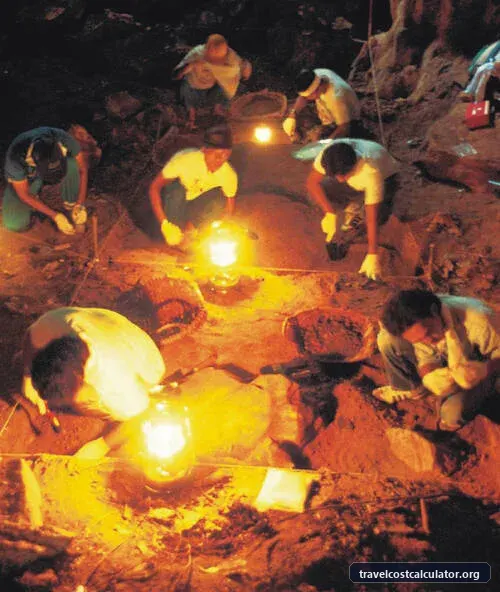
Nestled within the lush, emerald hills of northern Perak, Malaysia, the Archaeological Heritage of the Lenggong Valley represents one of Southeast Asia's most vital pre-historic landscapes. Inscribed as a UNESCO World Heritage Site in 2012, this pristine rural valley preserves an unbroken cultural sequence spanning over 1.83 million years—making it one of the longest records of early human presence in a single locality outside of Africa.
The site gained international renown following the discovery of "Perak Man" (Dato' Seri Perak), the oldest and most complete human skeleton found in Southeast Asia, dating back roughly 10,000 to 11,000 years to the Palaeolithic era. Excavated at Gua Gunung Runtuh, Perak Man revealed groundbreaking insights into ancient burial rites, early medical care, and genetic heritage, as he was buried in a fetal position surrounded by stone tools and river shells, suffering from a rare genetic deformity known as Brachydactyly Type A2.
Beyond Perak Man, Lenggong Valley houses four major archaeological clusters spread across two distinct geographical areas:
-
✦
Bukit Bunuh & Kota Tampan: Open-air Palaeolithic workshop sites. Kota Tampan contains stone tool production debris sealed beneath a layer of volcanic ash from the catastrophic Toba super-eruption (~74,000 years ago). Bukit Bunuh features impact-melt rocks (suevite) embedded with hand axes dated to 1.83 million years ago, formed by a meteorite strike.
-
✦
Bukit Jawa: Another significant open-air site proving early hominin toolmaking traditions along palaeo-river terraces.
-
✦
Bukit Kampung Binaung & Limestone Caves: A complex network of karst caves including Gua Harimau, Gua Teluk Kelawar, and Gua Kajang, which yielded Neolithic pottery, bronze artifacts, and pre-historic rock art.
Unlike modern archaeological parks with heavy commercialization, Lenggong Valley remains an authentic, off-the-beaten-path destination where travelers can walk alongside active research grounds amidst tropical rainforests and scenic limestone karsts.
🎟️ Entrance Fees, Opening Hours & Ticket Booking Tips
Visiting the core museum hub is straightforward, but exploring the open-air excavation trenches and karst caves requires advance preparation due to conservation protocols mandated by the Department of National Heritage (Jabatan Warisan Negara).
Lenggong Archaeological Gallery (Galeri Arkeologi Lenggong)
The gallery acts as the central information point and house of primary artifacts, replicas, and educational displays.
-
✦
International Adult Ticket: MYR 15.00 (~$3.30 USD)
-
✦
Malaysian Citizen Adult Ticket: MYR 5.00 (~$1.10 USD)
-
✦
Children (Under 12) & Seniors: MYR 2.00–MYR 5.00 (~$0.45–$1.10 USD)
-
✦
Opening Hours: 9:00 AM – 5:00 PM (Daily). Note: On Fridays, the gallery closes temporarily between 12:15 PM and 2:45 PM for afternoon prayers.
Guided Cave & Field Site Excursion Permits
While the central gallery is self-guided, key archaeological cave sites such as Gua Gunung Runtuh and Gua Harimau are restricted to prevent vandalism and preserve delicate micro-climates. You must hire a certified local heritage ranger guide.
-
✦
Heritage Ranger/Guide Fee: MYR 120.00 – MYR 180.00 (~$26.00 – $40.00 USD) per small group (up to 5 people).
-
✦
Forestry/Heritage Access Permit: MYR 10.00 (~$2.20 USD) per person.
Insider Ticket & Booking Tips
-
✦
Book Cave Guides Early: Arrange your guided cave trek at least 3 to 5 days in advance through the Lenggong Valley World Heritage Office or local eco-tourism cooperatives in Lenggong. Walk-in guide availability at the museum desk is rare.
-
✦
Payment Methods: The gallery accepts major credit cards and DuitNow QR payments, but cash (Malaysian Ringgit) is strictly required for paying local ranger guides and purchasing refreshments in nearby villages.
🚌 How to Get There & Local Transit Costs
Lenggong Valley is located in the Hulu Perak district, approximately 100 kilometers north of Ipoh (the capital of Perak state) and 140 kilometers southeast of Penang Travel Budget (George Town).
Option 1: Self-Drive / Rental Car (Recommended)
Renting a vehicle offers the ultimate flexibility to navigate between spread-out cave clusters and open-air sites.
-
✦
From Ipoh: Drive north along North-South Expressway (E1), exit at Kuala Kangsar, and join Highway 76 northbound toward Lenggong/Gerik. Duration: ~1 hour 20 minutes.
-
✦
From Penang: Take the Butterworth-Kulim Expressway (E15), then head south on Route 76. Duration: ~2 hours.
-
✦
Estimated Costs: Car rental in Ipoh or Penang averages MYR 110.00 – MYR 160.00/day (~$24.00 – $35.00 USD). Highway tolls cost around MYR 12.00 – MYR 20.00 (~$2.60 – $4.40 USD) one way.
Option 2: Public Transport (Train + Bus)
Budget travelers can utilize Malaysia's efficient KTM ETS train service combined with regional buses.
-
✦
Step 1: Train to Kuala Kangsar: Board the KTM ETS train from Kuala Lumpur Travel Budget Sentral (2 hours 45 mins, ~MYR 38.00 / $8.40 USD) or Ipoh Station (30 mins, ~MYR 14.00 / $3.10 USD) to Kuala Kangsar Station.
-
✦
Step 2: Bus to Lenggong: Walk or take a brief Grab ride to the Kuala Kangsar Bus Terminal. Board the Red Omnibus No. 99 bound for Lenggong/Gerik. Buses depart every 1 to 2 hours. Ticket cost: MYR 7.50 (~$1.65 USD) one way.
-
✦
Step 3: Local Transit in Lenggong: Ride-hailing apps like Grab have extremely limited coverage in Lenggong. You will need to hire a local charter driver or arrangement through your homestay for around MYR 50.00 – MYR 80.00/day (~$11.00 – $17.50 USD).
📸 Best Photography Spots & Insider Visit Hacks
Lenggong Valley combines deep antiquity with pristine nature. Capturing its beauty requires understanding both lighting inside limestone caverns and outdoor tropical conditions.
Top Photography Locations
-
✦
Gua Teluk Kelawar: Famous for dramatic limestone formations and light rays (crepuscular rays) streaming through natural cave ceiling fissures between 10:30 AM and 12:30 PM.
-
✦
Tasik Raban (Raban Lake): Located on the southern edge of the valley, this calm lake offers mirror-like reflections of the surrounding hills, traditional wooden fishing huts, and magnificent sunrise hues.
-
✦
Bukit Bunuh Meteorite Excavation Site: A surreal landscape where raw geological strata showcase suevite breccia rock formations created by impact heat millions of years ago.
-
✦
Galeri Arkeologi Lenggong Courtyard: Showcases life-sized historical dioramas and detailed replicas of the Palaeolithic burial grounds.
Insider Visit Hacks
-
✦
Optimal Seasonal Timing: Visit during the drier months from June to August or March to May. Rain during the monsoon season (October to December) can make cave treks dangerously slippery and muddy.
-
✦
Essential Gear: Pack a high-lumen headlamp or flash torch for cave exploration (phone flashlights are insufficient). Wear high-traction trekking shoes, lightweight long trousers (to protect against mosquitoes and sharp limestone), and carry a waterproof bag for electronics.
-
✦
Beat the Heat & Humidity: Schedule outdoor cave hikes between 8:30 AM and 11:00 AM. Spend the hot afternoon hours inside the air-conditioned Lenggong Archaeological Gallery.
🏨 Nearby Accommodation & Daily Budget Allocation
Accommodations in Lenggong lean heavily toward traditional Malay homestays, peaceful lake resorts, and eco-lodges, offering an authentic taste of rural Malaysian hospitality.
Recommended Accommodations
-
✦
Budget / Homestay: Lenggong Heritage Homestay / Kampung Stay — Clean, basic rooms hosted by local families. Includes home-cooked meals. Rate: MYR 80.00 – MYR 130.00 (~$18.00 – $28.00 USD) per night.
-
✦
Mid-Range / Lake Resort: Suka Suka Lake Retreat / Tasik Raban Resort — Charming wooden chalets built over or overlooking Lake Raban, perfect for relaxation and kayak rentals. Rate: MYR 220.00 – MYR 380.00 (~$48.00 – $84.00 USD) per night.
-
✦
City Base Alternative (Ipoh): Stay in Ipoh's heritage boutique hotels (e.g., Bedrock Hotel or M Boutique) and take a day trip to Lenggong. Rate: MYR 180.00 – MYR 320.00 (~$40.00 – $70.00 USD) per night.
Food & Dining Costs
Lenggong is famous for its freshwater fish dishes caught from the Perak River and Tasik Raban. Don't miss Ikan Pekasam (fermented freshwater fish fried with rice grains and chili) and grilled patin fish at local roadside eateries.
-
✦
Local Meal at Warung (Roadside Stall): MYR 8.00 – MYR 15.00 (~$1.75 – $3.30 USD) per person.
-
✦
Mid-range Lakeview Restaurant: MYR 30.00 – MYR 55.00 (~$6.50 – $12.00 USD) per person.
Daily Budget Summary
Below is an estimated breakdown of daily expenses for exploring Lenggong Valley based on travel style:
-
✦
Backpacker / Low-Budget Traveler: ~$35.00 – $45.00 USD (MYR 155 – MYR 200) per day. Includes shared homestay, public bus transit, local food stalls, and standard museum entry.
-
✦
Mid-Range Traveler: ~$85.00 – $130.00 USD (MYR 380 – MYR 580) per day. Includes a private lakefront chalet, rental car share, guided cave excursion fees, and full-service dining.
Frequently Asked Questions
Essential visitor FAQs for Archaeological Heritage of the Lenggong Valley
What is the entrance fee for Archaeological Heritage of the Lenggong Valley?
How much time do you need to explore Archaeological Heritage of the Lenggong Valley?
How do I get to Archaeological Heritage of the Lenggong Valley from the nearest city?
📊 Heritage Quick Specs
Visiting Malaysia on a Budget?
Calculate your full daily travel budget for Malaysia — including hotel costs, local transport, food, and sightseeing expenses.
View Malaysia Daily Travel Costs →Explore more UNESCO World Heritage Sites
🏛️ All 1,200+ Heritage Sites →