
 Italy
Italy
Archaeological Areas of Pompei, Herculaneum and Torre Annunziata
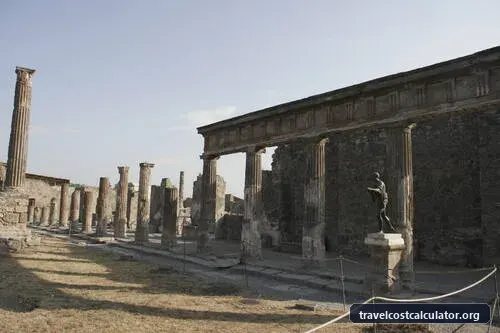
When Vesuvius erupted on 24 August AD 79, it engulfed the two flourishing Roman towns of Pompei and Herculaneum, as well as the many wealthy villas in the area.
Archaeological Areas of Pompei, Herculaneum and Torre Annunziata
🏛️ Overview & Historical Significance
In late October of 79 AD, Mount Vesuvius unleashed a catastrophic eruption that forever transformed the Bay of Naples. Over the course of 24 hours, entire Roman settlements were entombed beneath layers of volcanic ash, pumice, and deadly pyroclastic surges. Inscribed as a UNESCO World Heritage Site in 1997 under criteria (iii), (iv), and (v), the Archaeological Areas of Pompei, Herculaneum and Torre Annunziata represent an unprecedented snapshot of ancient Roman life, urban planning, architecture, and art preserved in exquisite, agonizing detail.
While often grouped together, each of the three major sectors of this UNESCO complex offers a starkly different window into antiquity:
-
✦
Pompeii: A bustling, middle-class commercial metropolis spanning over 66 hectares. Its preserved bakeries, brothels, fast-food counters (thermopolia), grand amphitheaters, and political forums display the energetic daily rhythm of dynamic Roman society.
-
✦
Herculaneum (Ercolano): A wealthier, coastal resort town buried under a 20-meter blanket of dense pyroclastic material. Unlike Pompeii, the mud and ash carbonized organic materials, preserving multi-story wooden roofs, furniture, beds, structural timbers, and even carbonized food items like loaves of bread.
-
✦
Torre Annunziata (Oplontis): Home to Villa A (commonly known as the Villa of Poppaea, Empress and second wife of Nero). This colossal suburban luxury villa features some of the finest Second Style Roman wall paintings in existence, expansive colonnades, and a massive 60-meter outdoor swimming pool.
Together, these sites provide an unmatchable timeline of Roman civilization at its peak. Walking through their paved basalt streets—still marked by deep chariot ruts—brings travelers face-to-face with the human reality of the ancient world.
🎟️ Entrance Fees, Opening Hours & Ticket Booking Tips
Navigating ticketing across the three sites requires strategic planning. In 2026, site authorities utilize digital ticketing systems with timed entry slots to manage crowd densities, particularly during peak summer months.
Estimated 2026 Ticket Prices
-
✦
Pompeii Express Ticket (Single Entry): €18.00–€22.00 (approx. $20.00–$24.00 USD). Covers the main urban core of Pompeii.
-
✦
Herculaneum Single Entry Ticket: €13.00–€16.00 (approx. $14.00–$18.00 USD).
-
✦
Villa A at Torre Annunziata (Oplontis): €7.00–€9.00 (approx. $8.00–$10.00 USD).
-
✦
3-Day Greater Pompeii Circuit Pass (Recommended): €26.00–€30.00 (approx. $28.00–$33.00 USD). Includes entry to Pompeii, Herculaneum, Villa Poppaea at Torre Annunziata, and the nearby suburban villas of Stabiae and Boscoreale.
-
✦
Youth & EU Discount: EU citizens aged 18–24 pay a reduced rate of roughly €2.00–€3.00 ($2.20–$3.30 USD). Children under 18 enter free (ID required).
Opening Hours (2026 Schedule)
-
✦
High Season (April 1 – October 31): 9:00 AM to 7:00 PM (Last entry at 5:30 PM).
-
✦
Low Season (November 1 – March 31): 9:00 AM to 5:00 PM (Last entry at 3:30 PM).
-
✦
Note: Sites are closed on January 1, May 1, and December 25.
Pro Ticket Booking Hacks
To avoid massive lines at the ticket windows, reserve your timed tickets online via the official ticket partner (TicketOne) weeks in advance. If visiting multiple culture sites in Campania, consider purchasing the Campania ArteCard (3-Day 3-Site Pass for approx. €34.00 / $37.00 USD), which covers transit and entry to top regional museums. Additionally, while the first Sunday of every month offers free entry, lines are notoriously long and time limits inside key villas are strictly enforced—skip free Sundays if you prefer a peaceful experience.
🚌 How to Get There & Local Transit Costs
The entire UNESCO area sits along the eastern shore of the Gulf of Naples, making Naples (Napoli) and Sorrento the primary transit hubs.
1. Direct Suburban Train (Circumvesuviana) — Most Popular & Budget-Friendly
The EAV Circumvesuviana train line connects Napoli Centrale (Piazza Garibaldi station underground) directly to Sorrento, stopping at all major archaeological gates along the line.
-
✦
To Herculaneum: Board the Naples-Sorrento train and exit at Ercolano Scavi (approx. 20 minutes from Naples). A 10-minute downhill walk brings you to the site entrance. (Fare: ~€2.50 / $2.80 USD one-way).
-
✦
To Pompeii: Take the same line to Pompei Scavi - Villa dei Misteri (approx. 35 minutes from Naples). The site entrance (Porta Marina) is just 50 meters from the station exit. (Fare: ~€3.30 / $3.60 USD one-way).
-
✦
To Torre Annunziata: Take the Naples-Poggiomarino line or Sorrento line to Torre Annunziata Città or Torre Annunziata Centrale. Villa Poppaea is a 10-minute walk from the station. (Fare: ~€3.00 / $3.30 USD one-way).
2. Express Tourist Train (Campania Express)
For a more comfortable ride featuring air conditioning and reserved seating, take the air-conditioned Campania Express operating between April and October. A round-trip ticket costs approximately €15.00–€18.00 ($16.50–$20.00 USD).
3. Trenitalia National Rail
If traveling on Trenitalia high-speed or regional lines, book to Pompei Sant'Abbadessa or the main Pompei city station. This drops you near the Piazza Anfiteatro entrance, ideal if you wish to start your tour at Pompeii's ancient amphitheater.
4. Taxis & Private Rides
Fixed taxi fares from central Naples or Naples Airport (NAP) to Pompeii run approximately €60.00–€80.00 ($65.00–$88.00 USD) one-way. Taxis between Herculaneum and Pompeii average €35.00–€50.00 ($38.00–$55.00 USD).
📸 Best Photography Spots & Insider Visit Hacks
Capturing the scale of these ancient cities requires good timing and awareness of lighting angles across the ruins.
Top Photography Locations
-
✦
The Forum of Pompeii: Frame the towering columns of the Temple of Jupiter with the menacing peak of Mount Vesuvius rising directly in the background. Shoot early in the morning to catch golden light without crowds.
-
✦
Villa of the Mysteries (Pompeii): The vibrant "Pompeiian Red" frescoes depicting Dionysian initiation rites provide some of the best preserved interior imagery in the ancient world. Wide-angle lenses excel here.
-
✦
The Ancient Shoreline & Boathouses (Herculaneum): Photograph down into the excavated trench from the upper rim to show the depth of burial, then frame the arches of the boathouses where ancient skeletons were tragically preserved.
-
✦
The Olympic Swimming Pool (Torre Annunziata): Capture the vast 60-meter pool reflection lined with restored marble statues and backdrop colonnades of Villa Poppaea.
Insider Visit Hacks
-
✦
Order of Visit: Split Travel Budget your trip over 1.5 or 2 days. If attempting all in one day, start at 8:30 AM at Herculaneum, take the train to Torre Annunziata for a lunch break and Villa Poppaea, and spend your afternoon in Pompeii until sunset.
-
✦
Footwear is Critical: Wear sturdy trail shoes or supportive sneakers. Ancient Roman roads feature deep gaps between cobbles and slick raised stepping-stones that can easily twist ankles.
-
✦
Sun & Hydration Management: Pompeii offers almost no shade. Bring a wide-brim hat, sunscreen, and a refillable water bottle. You can refill your bottle for free throughout Pompeii at ancient public fountains streaming fresh potable water.
-
✦
Download Offline Maps: Mobile cell service is notoriously spotty inside the dense stone structures of Herculaneum and deep within Pompeii's street grid. Download offline map apps (e.g., Maps.me or official site maps) before entering.
🏨 Nearby Accommodation & Daily Budget Allocation
Choosing where to base yourself depends on your travel pace. Stay in modern Pompei city for easy evening access to the ruins, Ercolano for coastal views, or Naples for high-energy city nightlife and world-class dining.
Accommodation Tiers (2026 Pricing)
-
✦
Budget (Hostels & Guesthouses): €30.00–€55.00 per night (approx. $33.00–$60.00 USD). Places like Pompei Backpackers or budget B&Bs near Ercolano station offer comfortable dorms and private rooms.
-
✦
Mid-Range (Boutique B&Bs & 3-Star Hotels): €90.00–€160.00 per night (approx. $98.00–$175.00 USD). Elegant historic guest rooms inside modern Pompei town, within a 10-minute walk of the ruins.
-
✦
Luxury / High-End (4/5-Star Resorts): €220.00–€450.00+ per night (approx. $240.00–$490.00+ USD). Luxury boutique hotels in Sorrento or cliffside villas overlooking Vesuvius and the bay.
Daily Food & Dining Budget
Campania offers some of Italy's best budget food. You don't need a high budget to eat exceptionally well:
-
✦
Street Food & Bakery Lunch: €4.00–€8.00 (approx. $4.40–$8.80 USD). Grab authentic Pizza a Portafoglio (folded street pizza), Arancini, or fresh Sfogliatella pastries.
-
✦
Sit-Down Trattoria Dinner: €18.00–€35.00 per person (approx. $20.00–$38.00 USD). Enjoy fresh seafood pasta, Neapolitan Margherita pizza, and local Gragnano red wine near the town plaza.
Estimated Daily Travel Budget per Person
-
✦
Backpacker / Shoestring: €65.00–€85.00 / day ($70.00–$93.00 USD) including transit, street food, hostel stay, and single site ticket.
-
✦
Flashpacker / Mid-Range: €160.00–€240.00 / day ($175.00–$260.00 USD) including 3-day circuit pass, mid-range B&B, sit-down dining, and regional train transit.
Frequently Asked Questions
Essential visitor FAQs for Archaeological Areas of Pompei, Herculaneum and Torre Annunziata
What is the entrance fee for Archaeological Areas of Pompei, Herculaneum and Torre Annunziata in 2026?
How much time do you need to explore Archaeological Areas of Pompei, Herculaneum and Torre Annunziata?
How do I get to Archaeological Areas of Pompei, Herculaneum and Torre Annunziata from the nearest city?
📊 Heritage Quick Specs
Visiting Italy on a Budget?
Calculate your full daily travel budget for Italy — including hotel costs, local transport, food, and sightseeing expenses.
View Italy Daily Travel Costs →Explore more UNESCO World Heritage Sites
🏛️ All 1,200+ Heritage Sites →