
 Burkina Faso
Ancient Ferrous Metallurgy Sites of Burkina Faso
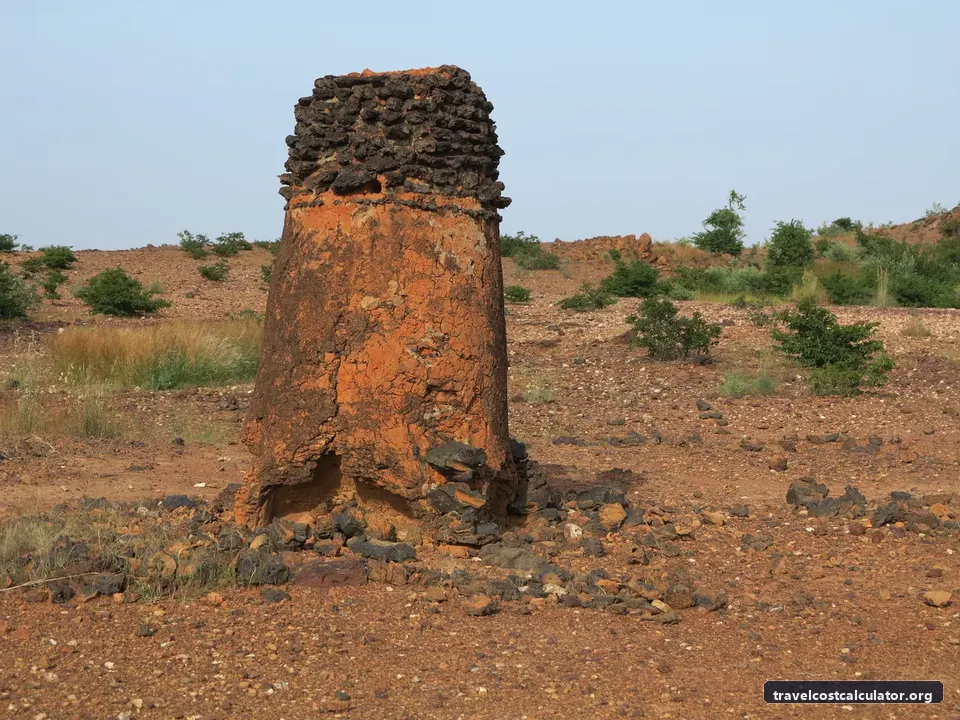
This property is composed of five elements located in different provinces of the country. It includes about fifteen standing, natural-draught furnaces, several other furnace structures, mines and traces of dwel...
Ancient Ferrous Metallurgy Sites of Burkina Faso
🏛️ Overview & Historical Significance
The Ancient Ferrous Metallurgy Sites of Burkina Faso represent one of Africa’s most astounding monumental achievements in pyrotechnology and industrial archaeology. Inscribed as a UNESCO World Heritage site in 2019, this serial property encompasses five distinct geographical components across Burkina Faso: Douroula, Tiwêga, Yamané, Kindibo, and Békuy. Together, these sites feature roughly 15 standing blast furnace structures, complex subterranean furnace bases, massive slag heaps, and intact traces of ancient iron mining shafts.
The historical weight of these sites cannot be overstated. Archaeological excavations at Douroula revealed that iron production in the region dates back as early as the 8th century BCE. This discovery fundamentally shattered outdated historical assumptions, proving that indigenous West Africans independently mastered complex iron reduction, smelting, and metallurgy techniques long before European trade routes reached the continent's interior.
Each of the five locations showcases distinct evolutionary stages of furnace architecture and smelting technology:
-
✦
Douroula: Features the oldest recorded iron-smelting structures in Burkina Faso, proving ancient mastery of high-temperature ore processing.
-
✦
Tiwêga: Located near Kaya, this site displays remarkably well-preserved standing direct-reduction clay blast furnaces that tower up to two meters high.
-
✦
Yamané & Kindibo: Located in the central and northern interior, these sites house vast fields of slag mounds alongside architectural variations designed to optimize natural air-draft chimney effects.
-
✦
Békuy: Situated in the western region near Bobo-Dioulasso Travel Budget, Békuy is famous for its imposing, heavy-set clay furnaces surrounded by dramatic laterite stone formations.
Beyond engineering, ironworking in Burkina Faso was deeply rooted in local spirituality, social organization, and ritual. The master blacksmiths (forgerons) formed a respected social caste who held the sacred secrets of converting raw red earth into durable weapons, agricultural tools, and ceremonial art. Visiting these sites offers an extraordinary journey into the living heritage and ancestral ingenuity of West Africa.
🎟️ Entrance Fees, Opening Hours & Ticket Booking Tips
Unlike hyper-commercialized tourist monuments, the Ancient Ferrous Metallurgy Sites exist as open-air archaeological reserves integrated into rural village communities. Visiting logistics require navigating a combination of local community conservation fees, government authorizations, and mandatory local guides.
Estimated 2026 Access & Ticket Costs
-
✦
Site Access Authorization Fee: 3,000 XOF – 5,000 XOF (~$5.00 – $8.50 USD) per person, payable at regional tourism offices or directly to municipal administrative delegates.
-
✦
Mandatory Village Guild & Community Guide Fee: 5,000 XOF – 10,000 XOF (~$8.50 – $16.50 USD) per group. This fee directly supports local village preservation efforts and village elders who grant access to sacred grounds.
-
✦
Photography Authorization Permit: 2,000 XOF (~$3.30 USD) per site for professional camera equipment. Standard smartphone photos usually carry no extra fee.
Opening Hours & Insider Booking Logistics
Because the furnaces are outdoor archaeological structures without electronic turnstiles, official visit hours correspond with daylight: 07:00 AM to 05:30 PM daily.
Crucial 2026 Visiting Protocol: You cannot simply book online tickets through a central portal. To arrange a seamless visit, arrange authorization via the Office National du Tourisme Burkinabè (ONTB) in Ouagadougou Travel Budget or Bobo-Dioulasso. Alternatively, hire a certified West African expedition operator. Upon arrival in the local village (e.g., Tiwêga or Békuy), your driver or tour leader must first pay respects to the Village Chief (Chef de Village) or local blacksmith guild representative before approaching the furnaces.
🚌 How to Get There & Local Transit Costs
Navigating Burkina Faso to explore these remote sites requires strategic planning. The primary international transit gateways are Ouagadougou (OUA) in the central region and Bobo-Dioulasso (BOY) in the west.
Step-by-Step Transport Logistics for Key Sites
1. Reaching Tiwêga (via Kaya)
Tiwêga is one of the most accessible furnace sites for international visitors traveling from Ouagadougou.
-
✦
Long-Distance Coach: Take a licensed intercity express bus (such as TCV or STAF) from Ouagadougou to the city of Kaya (approx. 100 km northeast, 2 hours). One-way ticket: 3,500 XOF – 5,000 XOF (~$6.00 – $8.50 USD).
-
✦
Local Transit to Site: From Kaya, hire a private taxi or dedicated motorcycle guide for the remaining 15 km to Tiwêga. Round-trip fare with waiting time: 7,000 XOF – 12,000 XOF (~$11.50 – $20.00 USD).
2. Reaching Békuy (via Bobo-Dioulasso)
Békuy is best accessed from Bobo-Dioulasso, Burkina Faso's cultural capital.
-
✦
Intercity Transport: Travel from Bobo-Dioulasso north towards Houndé/Békuy using regional minibuses (Sept-Places) or a private driver. Route duration: 1.5 to 2.5 hours depending on road conditions. Minibus ticket: 2,500 XOF – 4,000 XOF (~$4.00 – $6.50 USD).
-
✦
Private 4x4 Expedition Vehicle (Recommended): Renting a reliable 4WD vehicle with a professional local driver in Ouagadougou or Bobo-Dioulasso costs roughly 60,000 XOF – 90,000 XOF (~$100.00 – $150.00 USD) per day (excluding fuel). A 4x4 is strongly recommended due to unpaved dirt tracks (pistes) connecting the furnace fields.
📸 Best Photography Spots & Insider Visit Hacks
Capturing the impressive textures of multi-century-old clay furnaces and red laterite soil requires precise timing and cultural sensitivity.
Top Photography Angles & Lighting
-
✦
Tiwêga’s Conical Furnaces: Position yourself facing west during the early morning hours (07:30 AM – 09:30 AM). The soft morning light illuminates the intricate ventilation holes (tuyères) and clay ribbing without harsh shadows.
-
✦
Békuy’s Smelting Fields: Capture low-angle shots at golden hour (04:00 PM – 05:15 PM). The deep red ferruginous soil glows brightly against the dark terracotta furnace walls.
-
✦
Detail Shots of Slag Heaps: Use a macro or close-up lens to document the glassy, metallic sheen of ancient iron slag debris scatterings that carpet the ground around Kindibo and Yamané.
Insider Travel & Safety Hacks for 2026
-
✦
Optimal Weather Window: Visit during the dry season between November and February. Temperatures are milder (though still warm), dust hazes from the Harmattan wind are minimal in November/December, and dirt access roads remain completely dry and navigable. Avoid July through September due to torrential rains that wash out rural roads.
-
✦
Respect Sacred Protocols: Certain furnace clusters remain sacred to living blacksmith families. Always ask your local village guide before touching the clay walls or walking directly over subterranean furnace bases.
-
✦
Equip Essential Gear: Bring sturdy hiking boots (ground around furnaces is covered in sharp, glass-like slag fragments), high-SPF sun protection, a head-scarf for dust protection, and at least 3 liters of bottled water per person.
-
✦
Travel Security Awareness: Before setting out, cross-reference security conditions with your national embassy and the Ministry of Tourism in Ouagadougou. Travel with established local drivers who understand regional road networks thoroughly.
🏨 Nearby Accommodation & Daily Budget Allocation
Because the smelting sites are situated in rural countryside, high-standard international hotels are located in the major urban centers (Ouagadougou and Bobo-Dioulasso), while regional towns (Kaya, Dédougou, Houndé) offer basic, authentic West African guesthouses (auberges).
Accommodation Options
-
✦
Ouagadougou (Major Hub Base):
- Budget: Auberge Le Liptako – comfortable, authentic local guesthouse rooms (15,000 XOF – 25,000 XOF / ~$25 – $40 USD per night).
-
✦
Mid-Range: Hotel Azalaï Indépendance or Residence Sopatel – modern amenities, air conditioning, swimming pool (50,000 XOF – 85,000 XOF / ~$82 – $140 USD per night).
- Mid-Range: Villa Rose or Hotel L'Auberge – charming Sudano-Sahelian architecture, garden courtyards, good restaurant (35,000 XOF – 60,000 XOF / ~$58 – $100 USD per night).
- Budget Guesthouses: Local municipal auberges offering clean private rooms with fans/AC and secure parking (10,000 XOF – 20,000 XOF / ~$16 – $33 USD per night).
Estimated Daily Budget Allocations (2026 Figures)
To help plan your financial itinerary, here are realistic daily budget estimates depending on your style of travel:
-
✦
Backpacker / Independent Budget ($45 – $70 USD / day):
- Accommodation in basic auberges (15,000 XOF)
-
✦
Intercity public coaches and motorbikes (8,000 XOF)
-
✦
Local meals (riz gras, grilled chicken, street food) (5,000 XOF)
-
✦
Site entry & village guide contributions (8,000 XOF)
- Comfortable 3-star hotel room in Ouagadougou/Bobo (45,000 XOF)
- Top-tier hotel suite (80,000+ XOF)
Frequently Asked Questions
Essential visitor FAQs for Ancient Ferrous Metallurgy Sites of Burkina Faso
What is the entrance fee for Ancient Ferrous Metallurgy Sites of Burkina Faso?
How much time do you need to explore Ancient Ferrous Metallurgy Sites of Burkina Faso?
How do I get to Ancient Ferrous Metallurgy Sites of Burkina Faso from the nearest city?
📊 Heritage Quick Specs
Visiting Burkina Faso on a Budget?
Calculate your full daily travel budget for Burkina Faso — including hotel costs, local transport, food, and sightseeing expenses.
View Burkina Faso Daily Travel Costs →Explore more UNESCO World Heritage Sites
🏛️ All 1,200+ Heritage Sites →