
 Japan
Amami-Oshima Island, Tokunoshima Island, Northern part of Okinawa Island, and Iriomote Island
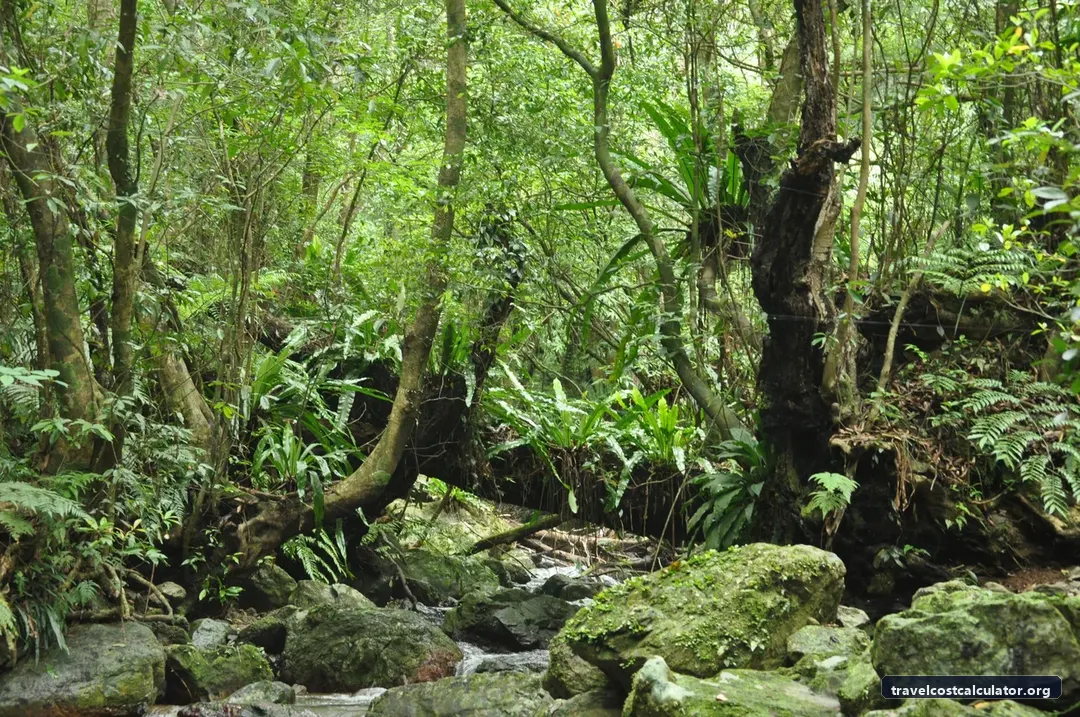
Encompassing 42,698 hectares of subtropical rainforests on four islands on a chain located in the southwest of Japan, the serial site forms an arc on the boundary of the East China Sea and Philippine Sea whose ...
Amami-Oshima Island, Tokunoshima Island, Northern part of Okinawa Island, and Iriomote Island
🏛️ Overview & Historical Significance
Inscribed as a UNESCO World Heritage site in 2021, Amami-Oshima Island, Tokunoshima Island, Northern part of Okinawa Island (Yanbaru), and Iriomote Island represent one of the world's most ecologically valuable subtropical rainforest archipelagos. Spanning roughly 42,698 hectares of land across Kagoshima and Okinawa Prefectures in southwestern Japan, this serial natural site is often dubbed the "Galapagos of East Asia."
The region’s biological significance stems from its complex geological history. Millennia ago, land bridges connected these islands to the Eurasian continent. Subsequent sea-level changes isolated the islands, creating an evolutionary pressure cooker where ancient species survived and evolved independently into distinct endemic taxa. The property harbors an extraordinary level of biodiversity considering its compact footprint, containing over 1,000 species of vascular plants, 180 species of land birds, and dozens of unique reptiles and amphibians.
Among its most famous protected inhabitants are species found nowhere else on Earth:
-
✦
The Amami Rabbit (Pentalagus furnessi): A primitive, dark-furred "living fossil" endemic to Amami-Oshima and Tokunoshima.
-
✦
The Iriomote Cat (Prionailurus bengalensis iriomotensis): A critically endangered wild cat subspecies native exclusively to Iriomote Island, with an estimated wild population of barely 100 individuals.
-
✦
The Okinawa Rail (Yanbaru Kuina): A flightless bird endemic to the dense rainforests of Yanbaru in northern Okinawa.
Visiting this natural sanctuary in 2026 requires understanding that it is not a singular tourist resort, but a fragile collective of protected national parks and wildlife preserves spread across hundreds of kilometers of ocean. Strict conservation frameworks, including daily visitor quotas and mandatory certified guides in core zones, ensure these primitive evergreen broad-leaved forests remain untamed for generations to come.
🎟️ Entrance Fees, Opening Hours & Ticket Booking Tips
Because the UNESCO property encompasses four distinct island zones across public lands, national parks, and ecological reserves, there is no single "all-inclusive ticket." Instead, access to individual park facilities, eco-museums, and protected hiking trails is managed individually, with optional eco-tour fees and local conservation levies.
2026 Key Pricing & Fees
-
✦
Iriomote Tourist Eco-Tax: ¥500 (~$3.30 USD) voluntary eco-contribution requested upon arrival at Uehara or Ohara ports to support island environmental preservation.
-
✦
Daisekishizan Park (Yanbaru, Okinawa): Adult admission is ¥1,500 (~$10.00 USD); Children (ages 4–14) are ¥1,000 (~$6.60 USD). Open daily 9:30 AM – 5:30 PM (last entry 4:30 PM).
-
✦
Kuroshio Mangrove Park (Amami-Oshima): Park admission is ¥500 (~$3.30 USD). Guided self-kayak tours through the mangrove forest cost ¥2,000 – ¥3,500 (~$13.30 – $23.30 USD) per person.
-
✦
Wildlife Conservation Centers (Amami & Yanbaru): Admission is generally FREE to ¥300 (~$2.00 USD). Open 9:00 AM – 5:00 PM (Closed Mondays).
-
✦
Mandatory Night Guided Safaris (Wildlife Viewing): Due to strict 2026 eco-regulations to protect nocturnal species like the Amami Rabbit and Iriomote Cat, entering core night-spotting zones without a certified local guide is restricted. Guided night tours range from ¥8,000 to ¥15,000 (~$53.00 – $100.00 USD) per person.
Booking Tips & Rules
To prevent overtourism, Japan’s Ministry of the Environment maintains strict cap-and-entry reservation systems for delicate areas such as the Mount Yuwan hiking trail on Amami-Oshima and key river basins on Iriomote. Reserve guided kayak and night tours at least 2 to 4 weeks in advance, especially during peak Japanese holiday seasons (Golden Week in May, Obon in August).
🚌 How to Get There & Local Transit Costs
Navigating this multi-island UNESCO site requires a combination of domestic flights, inter-island ferries, and local vehicle rentals. The two main entry gateways to the region are Naha Airport (OKA) on Okinawa Main Island and Amami Airport (ASJ) on Amami-Oshima.
1. Reaching Amami-Oshima & Tokunoshima
-
✦
By Air: Fly direct to Amami Airport (ASJ) from Tokyo Travel Budget Haneda/Narita, Osaka Kansai, Kagoshima, or Naha. 2026 airfares average ¥12,000 – ¥28,000 (~$80 – $186 USD) one-way on JAL or Peach Aviation. Tokunoshima Airport (TKN) is reached via short hop flights from Amami or Kagoshima (¥9,000 – ¥16,000 / ~$60 – $106 USD).
-
✦
By Ferry: A-Line and Marix Line operate overnight car ferries connecting Kagoshima Port to Amami (Naze Port) and Tokunoshima (Kametoku Port). Second-class passenger fares cost roughly ¥10,500 – ¥15,000 (~$70 – $100 USD) one-way.
2. Reaching Yanbaru (Northern Okinawa Island)
-
✦
From Naha Airport: Yanbaru is located on the northern tip of Okinawa Island. Renting a car at Naha Airport and driving north along the Okinawa Expressway to Nago and Kunigami Village takes roughly 2 hours (Tolls: ~¥1,040 / $7.00 USD).
-
✦
By Express Bus: The Yanbaru Express Bus runs from Naha Airport to Nago and Danbatan/Kunigami for approximately ¥2,200 – ¥2,800 (~$14.60 – $18.60 USD) one-way.
3. Reaching Iriomote Island
-
✦
Step 1: Fly to New Ishigaki Airport (ISG) from Naha, Tokyo, Osaka, or Fukuoka (¥10,000 – ¥25,000 / ~$66 – $166 USD one-way).
-
✦
Step 2: Take an express airport bus or taxi to Ishigaki Port Ferry Terminal (¥540 bus / ~$3.60 USD).
-
✦
Step 3: High-speed passenger ferries operate from Ishigaki Port to either Uehara Port (North Iriomote) or Ohara Port (South Iriomote). Ferries take 40–50 minutes and cost ¥2,600 – ¥3,100 (~$17.30 – $20.60 USD) one-way.
Local Transit & Rental Car Recommendation
Public bus service across all four islands is sparse and runs on limited daily schedules. To effectively explore trailheads, hidden beaches, and lookouts, renting a car is strongly recommended. Standard compact car rentals in 2026 cost between ¥6,000 and ¥10,000 (~$40 – $66 USD) per 24-hour period. Ensure you possess a valid International Driving Permit (IDP) under the 1949 Geneva Travel Budget Convention prior to arriving in Japan.
📸 Best Photography Spots & Insider Visit Hacks
Capturing the dramatic landscapes and rare wildlife of these subtropical islands requires timing, proper gear, and respect for nature regulations.
Must-Capture Photography Locations
-
✦
Heart Rock (Amami-Oshima): A natural tidal pool formed in coastal rock that reveals a perfect heart shape during mid-to-low tide. Shoot during golden hour for stunning reflections.
-
✦
Pinaisara Falls (Iriomote Island): The tallest waterfall in Okinawa Prefecture (55 meters). Reachable via a combined mangrove kayak and jungle trek; photograph the sweeping view from the top overlooking the coral lagoon.
-
✦
Daisekishizan (Yanbaru, Okinawa): Elevated rocky karst pinnacles featuring ancient cycad groves and dramatic sea panoramas over Cape Hedo.
-
✦
Honohoshi Beach (Amami-Oshima): A beach composed entirely of smooth, rounded stones where incoming ocean swells create dramatic mist and thunderous rolling sounds.
-
✦
Inutobu Cape & Megane-iwa (Tokunoshima): Scenic coastal cliffs featuring the iconic "Glasses Rock," framed against crashing Pacific waves.
Insider Hacks & Eco-Etiquette
-
✦
Strict Wildlife Driving Rules: Speed limits on Iriomote and in Yanbaru drop to 30–40 km/h in designated wildlife corridors. Roadkill is the primary threat to the Iriomote Cat and Okinawa Rail. Scan road shoulders carefully when driving at dawn or dusk.
-
✦
Leech & Insect Defense: Jungle trekking in Yanbaru and Iriomote brings contact with land leeches (yamabiru). Wear long, moisture-wicking trousers tucked into high socks, apply DEET or salt-spray solutions to boots, and carry a small container of salt or rubbing alcohol.
-
✦
Best Seasonal Window: Visit during March to May or October to November. Temperatures are warm (20°C–26°C / 68°F–79°F), humidity is manageable, and you avoid both the summer typhoon season (July–September) and the cooler, overcast winter winds (December–February).
🏨 Nearby Accommodation & Daily Budget Allocation
Lodging across the four UNESCO islands ranges from cozy family-run inns (minshuku) and eco-friendly hostels to high-end luxury resorts nestled along secluded bays.
Accommodation Options
-
✦
Budget (Hostels & Minshuku): Simple guest houses such as Amami Beach Backpackers or traditional Iriomote Minshuku offer clean rooms, communal kitchens, and local hospitality for ¥4,500 – ¥8,500 (~$30 – $56 USD) per night.
-
✦
Mid-Range (Hotels & Eco-LODGES): Properties like Denpaku (restored traditional stilt houses on Amami-Oshima) or mid-range beach resorts in Yanbaru cost ¥14,000 – ¥28,000 (~$93 – $186 USD) per night.
-
✦
Luxury (Resorts): Premier stays such as Hoshino Resorts Iriomote Hotel or Nest at Amami Beach Villas provide luxury amenities, guided private eco-tours, and sea-view dining ranging from ¥45,000 to ¥95,000+ (~$300 – $633+ USD) per night.
Dining & Culinary Highlights
Island cuisine is heavily influenced by local subtropical produce, fresh seafood, and unique cultural traditions. Budget ¥3,000 – ¥7,000 (~$20 – $46 USD) per day for food:
-
✦
Keihan (Chicken Rice) on Amami-Oshima: Shredded chicken, papaya, shiitake mushrooms, and citrus peel over rice, drenched in rich chicken broth (~¥1,200 / $8.00 USD).
-
✦
Yanbaru Agu Pork & Okinawa Soba: Thick wheat noodles served in broth topped with tender local heritage pork (~¥1,000 / $6.60 USD).
-
✦
Fresh Tropical Fruit: Okinawa mangoes, passionfruit, and island pineapples available at roadside stalls (~¥400 – ¥1,200 / $2.60 – $8.00 USD).
Estimated Daily Travel Budgets (2026 Rates)
-
✦
Backpacker / Low-Budget: $65 – $95 USD (¥9,800 – ¥14,300) per day. Includes guest house dorm, public transit/scooter, self-guided hiking, and local noodle shops.
-
✦
Mid-Range Traveler: $180 – $290 USD (¥27,000 – ¥43,500) per day. Includes private mid-range hotel/minshuku, rental car share, guided mangrove kayak/night tour, and casual dining restaurants.
-
✦
Luxury Eco-Traveler: $500 – $900+ USD (¥75,000 – ¥135,000+) per day. Includes premier beachfront resort stay, car rental, private wildlife viewing charters, and multi-course regional dinners.
Frequently Asked Questions
Essential visitor FAQs for Amami-Oshima Island, Tokunoshima Island, Northern part of Okinawa Island, and Iriomote Island
What is the entrance fee for Amami-Oshima, Tokunoshima, Northern Okinawa, and Iriomote?
How much time do you need to explore these UNESCO World Heritage islands?
How do I get to the islands from major Japanese cities?
📊 Heritage Quick Specs
Visiting Japan on a Budget?
Calculate your full daily travel budget for Japan — including hotel costs, local transport, food, and sightseeing expenses.
View Japan Daily Travel Costs →Explore more UNESCO World Heritage Sites
🏛️ All 1,200+ Heritage Sites →