
 Cuba
Cuba
Alejandro de Humboldt National Park
Complex geology and varied topography have given rise to a diversity of ecosystems and species unmatched in the insular Caribbean and created one of the most biologically diverse tropical island sites on earth.
Alejandro de Humboldt National Park
🏛️ Overview & Historical Significance
Inscribed as a UNESCO World Heritage Site in 2001, Alejandro de Humboldt National Park (Parque Nacional Alejandro de Humboldt) represents the absolute pinnacle of Caribbean biodiversity. Spanning over 711 square kilometers across the Guantánamo and Holguín provinces in eastern Cuba, this pristine biosphere reserve encompasses unmatched habitat variety—ranging from coral reefs and coastal mangrove estuaries to pine forests, cloud-draped mountain peaks, and dense tropical rainforests.
The park is named in honor of the legendary German naturalist Alexander von Humboldt, who explored Cuba in 1800 and 1804, famously crowning the island the "second discoverer of Cuba" due to his foundational ecological studies. UNESCO designated the park primarily for its extraordinary biological wealth, complex topography, and unrivaled rate of endemic flora and fauna. Toxic, heavy-metal-rich serpentine rocks underlie much of the terrain, forcing plant life to evolve under extreme evolutionary pressures for millions of years. As a result, over 70% of the park's plant species are endemic to the region, making it one of the most critical botanical sanctuaries on Earth.
Beyond its rare flora, the park acts as a vital refugium for endangered wildlife. It is the last remaining haven for the Cuban solenodon (almiquí)—a primitive, venomous nocturnal mammal long thought to be extinct—and shelters the tiny Monte Iberia dwarf frog (Eleutherodactylus iberia), the smallest frog in the Northern Hemisphere. The pristine waters of Bahía de Taco (Taco Bay) provide a safe nursing ground for the West Indian manatee, while the forest canopy echoes with the calls of Cuba’s national bird, the Cuban trogon (tocororo), and the rare Cuban Amazon parrot.
🎟️ Entrance Fees, Opening Hours & Ticket Booking Tips
Navigating park access in Cuba requires up-to-date logistics. As of 2026, independent wandering inside Alejandro de Humboldt National Park is strictly prohibited to protect its delicate ecosystems. All visitors must be accompanied by an official park guide managed by the Cuban conservation authority (Flora y Fauna).
Estimated 2026 Entrance & Tour Pricing
-
✦
Standard Trail Entry (e.g., Sendero Recreo / Sendero El Copal): $10 – $15 USD (€9 – €14) per person. Includes official ranger guide fee.
-
✦
Extended Trekking Trails (e.g., Sendero Balcón de Iberia): $15 – $25 USD (€14 – €23) per person.
-
✦
Taco Bay Boat Tour (Bahía de Taco Mangroves & Manatee Watch): $15 – $20 USD (€14 – €18) per person.
-
✦
Mandatory / Customary Guide Tip: $5 – $10 USD directly to your local guide (cash is greatly appreciated by staff).
Opening Hours & Visitor Centers
The main gateway and registration point is the Centro de Visitantes Taco Bay (Taco Bay Visitor Center), located on the coastal highway between Baracoa and Moa.
-
✦
Park Hours: Open daily from 8:00 AM to 4:00 PM.
-
✦
Cut-off Time for Long Hikes: Hikes like *Balcón de Iberia* must begin before 9:00 AM. Shorter coastal trails and boat tours accept departures until 1:00 PM.
Pro Booking Hacks for 2026
There is no functioning online reservation portal for park tickets. You have two primary ways to book your excursion:
-
✦
Book via Ecotur in Baracoa: Visit the official Ecotur desk on Calle Maceo in downtown Baracoa 24–48 hours in advance. They can arrange round-trip transportation, trail entry, and an English-speaking guide as an all-in-one package.
-
✦
Direct Entry at Taco Bay: If traveling by private taxi or rental vehicle, arrive directly at the Taco Bay Visitor Center by 8:00 AM to register with the head ranger on duty.
-
✦
Currency Advice: Carry physical USD or Euro cash for local tipping, street snacks, and direct guide gratuities. official tour desks accepting card payments require non-US credit/debit cards.
🚌 How to Get There & Local Transit Costs
The nearest urban hub and practical basecamp for exploring Alejandro de Humboldt National Park is the historic coastal town of Baracoa, located roughly 40 km (25 miles) southeast of the main visitor station.
The road connecting Baracoa to the park (the Carretera a Moa) is notoriously rugged, featuring steep inclines, unpaved sections, and river crossings that degrade during heavy rainfall. High-clearance vehicles or 4x4 Jeeps are strongly recommended.
2026 Transport Options & Fares from Baracoa
1. Organized Ecotur Day Tours (Most Popular)
booking an all-inclusive excursion through Ecotur in Baracoa costs approximately $35 to $50 USD per person. This fee covers 4x4 bus transport from Baracoa, park entry fees, mandatory trail guides, and a light lunch or snack.
2. Private Taxi / 4x4 Hire
Hiring a private driver in a 4WD vehicle or classic Cuban almendrón costs $50 to $80 USD total for the day. The driver will take you to Taco Bay, wait while you complete your 3- to 5-hour hike or boat ride, and drive you back to Baracoa. This is the best option for groups of 3 to 4 travelers.
3. Shared Taxis (Colectivos) & Local Transport
Budget travelers can look for shared trucks (camiones) or colectivos running north toward Moa from downtown Baracoa.
-
✦
Cost: Approx. $5 – $10 USD equivalent per seat.
-
✦
Drawback: Schedules are unpredictable, vehicles are overcrowded, and securing return transport back to Baracoa in the late afternoon can be challenging.
📸 Best Photography Spots & Insider Visit Hacks
Prime Photography Locations
-
✦
Mirador Bahía de Taco: Capture sweeping vistas where lush, emerald rainforest canopy rolls directly down into the calm, turquoise waters of the mangrove bay.
-
✦
Cascada de Santa María: Tucked deep within the forest along the *Balcón de Iberia* trail, this multi-tiered waterfall is framed by giant tree ferns and wild orchids. Use a tripod and neutral density filter for silky water exposures.
-
✦
Taco Bay Mangrove Channels: Bring a telephoto lens (70-300mm or longer) during the morning boat ride to photograph brown pelicans, frigatebirds, and—if fortunate—manatee snouts breaking the surface.
-
✦
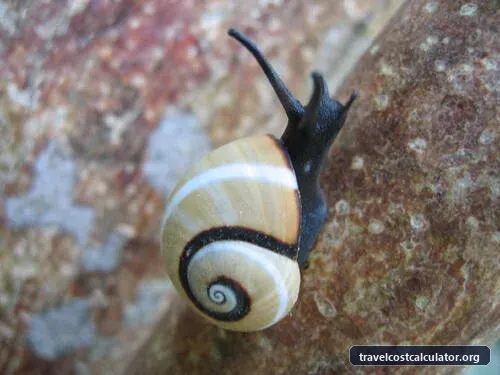
Macro Photography Targets: Keep your camera ready on forest trails; the park is world-famous for colorful polymita land snails (Polymita picta) and miniature endemic frogs.
Insider Visit Hacks for 2026
-
✦
Seasonal Timing: The ideal dry season runs from December through April. Rivers are manageable, muddy trails are passable, and mosquito populations are significantly reduced. The wet season (May to November) brings intense heat, humidity, thick mud, and high river levels.
-
✦
Essential Gear: Wear sturdy, waterproof hiking boots with aggressive tread. Bring a lightweight rain shell, quick-dry clothing, high-DEET insect repellent, waterproof dry bags for electronics, and at least 2 liters of purified drinking water per person.
-
✦
Beat the Heat & Humidity: Morning humidity levels exceed 90%. Start your hike by 8:30 AM to maximize shade cover and experience peak bird activity.
🏨 Nearby Accommodation & Daily Budget Allocation
Due to strict UNESCO conservation guidelines, there are virtually no commercial hotel properties located directly within the national park boundaries. Visitors typically stay in Baracoa, which features charming homestays and boutique seaside lodges.
Recommended 2026 Accommodation
-
✦
Budget – Casas Particulares (Baracoa): $20 – $35 USD / night. Staying in private family homes (e.g., near Parque Central or Malecón) offers authentic hospitality, immaculate private rooms, and affordable home-cooked meals featuring famous local coconut sauce (leche de coco).
-
✦
Mid-Range – Boutique Hostals & Eco-Lodges: $45 – $80 USD / night. Properties such as Hostal El Castillo (overlooking Baracoa bay) or eco-casas near Playa Maguana (halfway between Baracoa and the park) provide upgraded amenities, air conditioning, and coastal views.
-
✦
Park Boundary Campsites (Rustic): $15 – $25 USD / night. Simple ranger cabin accommodation near Campamento Ojito de Agua can be arranged via Ecotur for hardcore trekkers undertaking multi-day expeditions.
Estimated Daily Budget Breakdowns (2026)
Budget Backpacker: ~$50 – $70 USD per day
-
✦
Accommodation: $12 – $18 USD (shared Casa Particular room)
-
✦
Meals: $15 – $20 USD (street food, local breakfasts, paladar dinners)
-
✦
Transport: $10 – $15 USD (shared colectivos)
-
✦
Park Fees: $10 – $15 USD (basic trail entry)
Mid-Range Traveler: ~$120 – $180 USD per day
-
✦
Accommodation: $45 – $70 USD (private boutique casa / mid-range lodge)
-
✦
Meals: $30 – $45 USD (dining at top paladares, fresh seafood dinners)
-
✦
Transport: $30 – $45 USD (Split Travel Budget private 4x4 taxi fare)
-
✦
Park Fees & Excursions: $20 – $30 USD (guided trail hike + Taco Bay boat tour)
Frequently Asked Questions
Essential visitor FAQs for Alejandro de Humboldt National Park
What is the entrance fee for Alejandro de Humboldt National Park in 2026?
How much time do you need to explore Alejandro de Humboldt National Park?
How do I get to Alejandro de Humboldt National Park from the nearest city?
📊 Heritage Quick Specs
Visiting Cuba on a Budget?
Calculate your full daily travel budget for Cuba — including hotel costs, local transport, food, and sightseeing expenses.
View Cuba Daily Travel Costs →Explore more UNESCO World Heritage Sites
🏛️ All 1,200+ Heritage Sites →