
 Niger
Niger
Air and Ténéré Natural Reserves
This is the largest protected area in Africa, covering some 7.7 million ha, though the area considered a protected sanctuary constitutes only one-sixth of the total area.
Air and Ténéré Natural Reserves
🏛️ Overview & Historical Significance
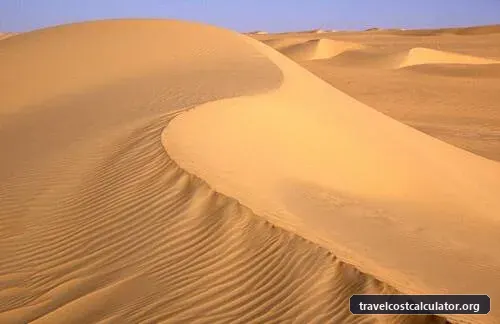
Inscribed as a UNESCO World Heritage Site in 1991, the Aïr and Ténéré Natural Reserves in Niger constitute the largest protected area in Africa, spanning an astounding 7.7 million hectares. This breathtaking biome encompasses two radically contrasting landscapes: the dark, volcanic granite peaks of the Aïr Massif and the vast, golden dune oceans of the hyper-arid Ténéré Desert. The reserve stands as an irreplaceable ecological refuge, harboring desert flora and fauna adapted to some of the world's most extreme climate conditions.
UNESCO designated the reserve due to its exceptional biodiversity and geological uniqueness. It serves as a vital sanctuary for critically endangered Saharan ungulates, including the Addax (Addax nasomaculatus), Dama gazelle, Slender-horned gazelle, and Barbary sheep. Historically, it is also a living museum of human culture: the region features thousands of prehistoric rock art sites (such as the famous Dabous petroglyphs) that date back 5,000 to 10,000 years, depicting an ancient Sahara that was once lush, river-fed, and teeming with megafauna like giraffes and elephants.
In 1992, just one year after its inscription, the site was placed on the UNESCO List of World Heritage in Danger due to political instability, regional conflict, and wildlife poaching. As of 2026, entering the reserve requires strict government authorizations, military escorts, and experienced Tuareg guides. For intrepid travelers, financial planners, and expedition seekers, visiting this remote corner of the Sahara is a bucket-list journey through human antiquity and pristine desert wilderness.
🎟️ Entrance Fees, Opening Hours & Ticket Booking Tips
Accessing the Aïr and Ténéré Natural Reserves is not a standard self-guided park experience. Entry is strictly regulated by Niger's Ministry of Environment and Tourism in coordination with regional authorities in Agadez Travel Budget. Visitors must secure official park entry permits, regional security clearances, and hire accredited local Tuareg expedition teams.
-
✦
Official Park Permit Fee (2026 Estimates): 15,000 XOF to 30,000 XOF (~$25 – $50 USD) per person, depending on the length of stay and specific interior zones visited.
-
✦
Administrative & Security Registration Fee: ~20,000 XOF (~$33 USD) flat fee per group processed at the Tourism Office in Agadez.
-
✦
Mandatory Military Escort / Local Protection Clearance: Costs vary based on current 2026 security protocols, typically ranging from $100 to $200 USD per day for the entire vehicle convoy (shared among expedition participants).
-
✦
Opening Hours: Geographically open 24/7, but field movement is strictly limited to daylight hours (typically 6:00 AM to 6:00 PM) for safety and navigation reasons.
Pro Booking & Administrative Hacks for 2026:
Do not attempt independent travel without an accredited operator. All paperwork—including mandatory passport registration with local police (Commissariat) in Agadez, Ministry of Environment entry forms, and desert navigation permits—must be arranged 2 to 4 months prior to arrival. Expeditions booked through licensed Tuareg travel agencies based in Agadez or Niamey Travel Budget handle all permit logistics, government fees, and mandatory two-vehicle 4x4 convoy protocols.
🚌 How to Get There & Local Transit Costs
Reaching the remote wilderness of Aïr and Ténéré is a multi-stage expedition. The primary staging hub for all Saharan journeys into the reserve is the historic city of Agadez.
Step 1: International Arrival in Niamey
Fly into Diori Hamani International Airport (NIM) in Niamey, Niger's capital. International flight rates vary, but direct or one-stop connections in 2026 operate via regional hubs like Paris, Istanbul, Addis Ababa Travel Budget, and Casablanca.
Step 2: Transit from Niamey to Agadez
-
✦
Overland Long-Distance Bus: Reliable bus companies (such as Rimbo Transport or STN) run daily long-haul routes from Niamey to Agadez. The 950 km journey takes approximately 16 to 20 hours due to security checkpoints. Standard ticket price: 18,000 XOF – 25,000 XOF (~$30 – $42 USD) one-way.
-
✦
Domestic / Charter Flights: Intermittent domestic flights or private charter flights operate between Niamey and Mano Dayak International Airport (AJY) in Agadez. A regional one-way ticket typically ranges between $250 and $420 USD depending on seat availability and charter group sizes.
Step 3: Agadez to the Reserve (4x4 Expedition Convoy)
From Agadez, the reserve entrance lies roughly 150 km to 300 km northeast into roadless terrain. Regional security regulations mandate that all tourists travel in a convoy of at least two 4x4 Land Cruisers equipped with satellite communications, extra fuel/water, a mechanics kit, and professional Tuareg drivers.
-
✦
4x4 Vehicle Rental (with Driver & Fuel): $250 – $400 USD per vehicle, per day.
-
✦
Full Expedition Package Cost (Includes 2 Vehicles, Guide, Cook, Camping Gear, Permits): Expect to budget between $350 and $600 USD per day per person (when splitting convoy costs across 3 to 6 travelers).
📸 Best Photography Spots & Insider Visit Hacks
The landscape of Aïr and Ténéré offers photography conditions unlike anywhere else on Earth. Contrast dark volcanic basalts against orange rolling dunes and golden sunlight.
Top Photography Spots:
-
✦
Monts Bleus (The Blue Mountains): Located deep in the reserve, these isolated marble peaks glow with an ethereal bluish shade against the bright yellow dunes of the Ténéré at sunrise and sunset.
-
✦
Dabous Giraffe Petroglyphs: Located on the edge of the Aïr region, these life-sized Neolithic rock engravings of two giraffes are considered among the finest prehistoric rock artworks in the world. Best shot during late afternoon side-lighting to highlight the depth of the carvings.
-
✦
Temet Dunes: Some of the highest sand dunes in the Sahara (rising up to 300 meters), framed dramatically by the rugged granite backdrop of Mount Idoukal-n-Taghès.
-
✦
Arbre du Ténéré Monument: The historic site where the world's most isolated tree once stood (now marked by a striking metal tree sculpture), offering a poignant focal point amidst endless flat horizon.
Insider Travel & Survival Hacks:
-
✦
Optimal Season: Visit strictly between November and February. Daytime temperatures are manageable (25°C to 32°C / 77°F to 90°F), though nighttime temperatures in the desert can drop sharply to near 0°C (32°F). Avoid May through August, when temperatures routinely exceed 45°C (113°F).
-
✦
Gear Protection: Fine Saharan dust and Harmattan winds will ruin camera electronics. Bring heavy-duty dry bags, lens dust covers, micro-fiber cloths, and air blowers. Never change lenses out in the open desert.
-
✦
Power Management: There is zero electrical infrastructure in the reserve. Carry high-capacity solar chargers and multiple spare batteries stored in insulated pouches to resist desert thermal drain.
-
✦
Cultural Etiquette: Always ask permission before photographing local Tuareg nomads. A small gesture of gratitude—such as sharing tea, purchasing local silver crafts, or providing basic supplies—is customary.
🏨 Nearby Accommodation & Daily Budget Allocation
Accommodation around the reserve ranges from historic desert guesthouses in Agadez to mobile star-gazing wilderness camps out on the dunes.
Where to Stay:
-
✦
Agadez Base (Pre & Post Expedition): Stay at historic guesthouses like Hôtel Caravansérail or Auberge d'Azel. Prices range from 25,000 XOF to 65,000 XOF (~$40 – $110 USD) per night for air-conditioned rooms featuring traditional Tuareg architecture.
-
✦
Inside the Reserve (Expedition Camping): Mobile desert camps set up by your expedition team. You will sleep in high-grade windproof tents or directly under the Saharan stars on traditional mats and mattresses provided by your tour crew.
Estimated Daily Budget Breakdown (2026 Rates):
| Travel Style | Estimated Daily Cost (USD) | Inclusions & Details |
|---|---|---|
| Budget Group Expedition (4-6 travelers sharing vehicle costs) |
$180 – $260 / day | Shared 4x4 convoy, basic expedition meals prepared by team cook, tent camping, shared guide fees, park permits. |
| Mid-Range Expedition (2-3 travelers per vehicle) |
$350 – $550 / day | Private 4x4 vehicle space, dedicated Tuareg guide, full-service campsite setup, pre/post stay in Agadez hotel, all permits and escorts included. |
| Luxury / Custom Private Expedition (Solo or Private Couple) |
$800 – $1,200+ / day | Private multi-vehicle support convoy, premium glamping setup, personal satellite connectivity, custom photographic itinerary, private security detail. |
Frequently Asked Questions
Essential visitor FAQs for Air and Ténéré Natural Reserves
What is the entrance fee for Air and Ténéré Natural Reserves?
How much time do you need to explore Air and Ténéré Natural Reserves?
How do I get to Air and Ténéré Natural Reserves from the nearest city?
📊 Heritage Quick Specs
Visiting Niger on a Budget?
Calculate your full daily travel budget for Niger — including hotel costs, local transport, food, and sightseeing expenses.
View Niger Daily Travel Costs →Explore more UNESCO World Heritage Sites
🏛️ All 1,200+ Heritage Sites →