
Rome vs Marrakech: Which City is Cheaper to Visit in 2026?
Marrakech is approximately 51% cheaper to visit than Rome. A traveler in Rome spends about $245/day compared to $120/day in Marrakech, saving around $125 daily on accommodation, meals, and local transit.
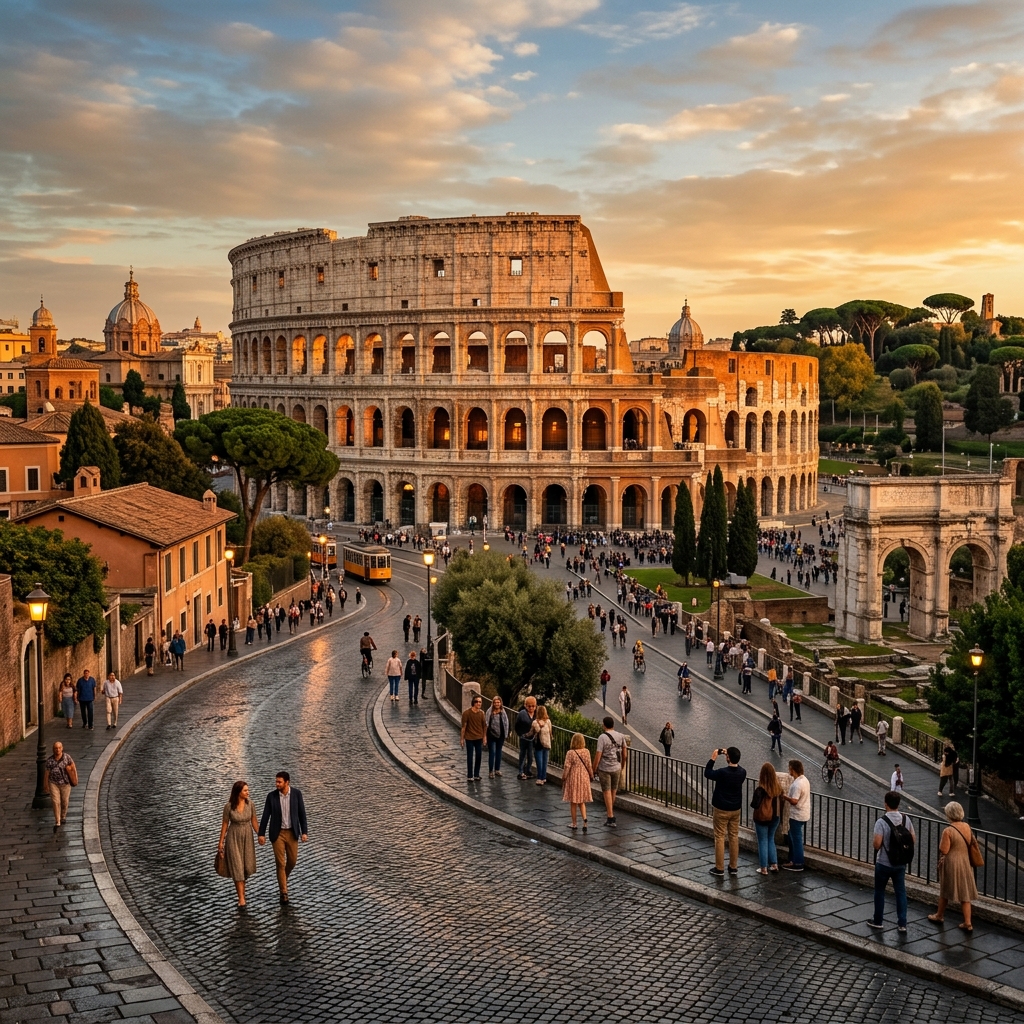
 Italy
Italy
Rome
The Eternal City, home to ancient ruins, Vatican City, and incredible Italian food.
Full Rome Cost Guide →
 Morocco
Marrakech
Enchanting city with vibrant souks, palaces, and Jemaa el-Fnaa square.
Full Marrakech Cost Guide →Marrakech is 51% Cheaper
Choosing Marrakech saves approximately $125 per day (approx. $875 per week) compared to Rome.
Detailed Category Cost Breakdown
| Category | Rome | Marrakech |
|---|---|---|
|
💰
Total Daily Cost
|
$245
|
$120
✓
|
|
🏨
Accommodation
|
$130
|
$60
✓
|
|
🍽️
Food & Dining
|
$55
|
$25
✓
|
|
🚌
Transportation
|
$22
|
$15
✓
|
|
🎟️
Entertainment
|
$38
|
$20
✓
|
How City Cost Comparisons Work
Comparing travel expenses between Rome and Marrakech requires evaluating localized Purchasing Power Parity (PPP), regional inflation, seasonal accommodation surges, and local transport networks. A destination with expensive 5-star hotels might offer extremely cheap street food and free public parks, whereas another city might feature cheap hostels but expensive internal transport.
Methodology Behind Comparison Metrics
- 🏨 Lodging: Standardized daily rates for hostels, 3-star mid-range hotels, and luxury stays.
- 🍽️ Food: Daily meal allowance comparing groceries, local bistros, and sit-down dining.
- 🚌 Transit: Metro passes, bus fares, ride-shares, and airport express rail.
- 🎟️ Activities: Museum tickets, landmark passes, day trips, and nightlife.
Frequently Asked Questions
Is Marrakech cheaper than Rome?
Yes! Marrakech is approximately 51% cheaper overall than Rome, saving you around $125 per day on average.
How much does a standard trip to Rome cost per day?
A standard comfortable daily budget in Rome is approximately $245 per person, including 3-star hotel lodging, casual dining, and city transit.
How much does a standard trip to Marrakech cost per day?
A standard comfortable daily budget in Marrakech is approximately $120 per person, including 3-star hotel lodging, casual dining, and city transit.
Are international flight costs included in the comparison?
Flights are excluded from baseline city comparisons because airfare depends on your origin airport, booking lead time, and airline preference. Use our Savings Planner to estimate bundled flight and stay costs.
How often is exchange rate and price index data updated?
Currency exchange rates update in real-time, while local CPI and hotel cost indexes are reviewed and adjusted monthly by our editorial team.
Explore All Rome Travel Calculators & Guides
Everything you need to budget, plan, and optimize your trip to Rome.
Full Rome Cost Calculator
Complete budget breakdown with hotel, food & transit sliders
Rome Food & Dining Prices
Street food prices, restaurant meals & coffee costs
Rome Nightlife & Drinks Index
Beer prices, club entry fees & late-night transit
Best Time to Visit Rome
Monthly weather, crowd levels & hotel price seasonality
Rome Extreme Backpacker Guide
Hostel dorm beds, free walking tours & budget survival hacks
Rome Digital Nomad Cost of Living
Monthly apartment rent, coworking spaces & wifi speeds
7-Day Rome Trip Budget Planner
Day-by-day expense projection & itinerary cost estimator
Italy Visa & Entry Requirements
Passport validity, visa-free stay length & border rules
Italy Travel eSIM & Data Plans
GB data rates, Airalo vs Holafly coverage & local SIM comparison
Italy Tax-Free VAT Refund Guide
Minimum purchase thresholds, tax refund percentages & customs steps
UNESCO Sites in Italy
Historic landmarks, national parks & cultural heritage monuments
Explore All Marrakech Travel Calculators & Guides
Everything you need to budget, plan, and optimize your trip to Marrakech.
Full Marrakech Cost Calculator
Complete budget breakdown with hotel, food & transit sliders
Marrakech Food & Dining Prices
Street food prices, restaurant meals & coffee costs
Marrakech Nightlife & Drinks Index
Beer prices, club entry fees & late-night transit
Best Time to Visit Marrakech
Monthly weather, crowd levels & hotel price seasonality
Marrakech Extreme Backpacker Guide
Hostel dorm beds, free walking tours & budget survival hacks
Marrakech Digital Nomad Cost of Living
Monthly apartment rent, coworking spaces & wifi speeds
7-Day Marrakech Trip Budget Planner
Day-by-day expense projection & itinerary cost estimator
Morocco Visa & Entry Requirements
Passport validity, visa-free stay length & border rules
Morocco Travel eSIM & Data Plans
GB data rates, Airalo vs Holafly coverage & local SIM comparison
Morocco Tax-Free VAT Refund Guide
Minimum purchase thresholds, tax refund percentages & customs steps
UNESCO Sites in Morocco
Historic landmarks, national parks & cultural heritage monuments
City vs City Travel Cost Arbitrage & Decision Analysis
Head-to-Head Economic Comparison of Lodging, Dining, Transit, and Cultural Value
1. The Science of Travel Price Parity & Category Arbitrage
Direct city comparisons require normalizing costs across four standardized vectors: Accommodation Index, Dining Price Tier, Urban Mobility Coefficient, and Cultural Attraction Density. For example, while hotel rates in London and Paris are comparable ($140–$220/night for mid-range), London's national museums (British Museum, Tate Modern, Natural History Museum) are completely free, whereas Paris charges €15–€22 per major monument, significantly shifting the net daily balance for culture-focused travelers.
2. Geographic & Regional Value Differentials in 2026
Macroeconomic regional trends dictate distinct cost tiers worldwide:
• Western & Northern Europe (Zurich, London, Oslo): High labor and service costs drive daily standard budgets to $180–$320/day.
• Central & Southern Europe (Prague, Lisbon, Athens): Favorable domestic cost levels allow high-quality travel for $90–$160/day.
• Southeast Asia (Hanoi, Bangkok, Chiang Mai): Global champions of purchasing power parity, delivering full daily comfort for $35–$75/day.
• East Asia (Tokyo, Osaka, Taipei): Modern infrastructure with outstanding mid-range culinary and transport efficiency, averaging $85–$140/day.
3. How to Execute an Optimal Holiday Decision Matrix
When choosing between two cities, factor in: (1) Total ground daily burn rate multiplied by trip duration; (2) Round-trip airfare differential from your home airport; and (3) Currency exchange strength (e.g., a strong USD or EUR against the Japanese Yen or Turkish Lira). Often, a slightly higher long-haul flight ticket is quickly offset by substantially cheaper daily living costs at your destination.
4. Tactical Strategies for High-Cost Cities
If your comparison favors a high-cost metropolis like New York or Tokyo, apply proven mitigation tactics: Book accommodations in secondary transport-connected neighborhoods (e.g., Queens instead of Manhattan, or Asakusa instead of Shinjuku), purchase unlimited 72-hour metro tourist passes, and dine at bustling lunch specials (Teishoku sets or Prix Fixe menus) rather than peak-rate dinners.
Frequently Asked Questions & Practical Advice
Q: How are currency conversions handled in side-by-side city comparisons?
All destination prices are calculated in their respective local currencies and instantly normalized into your selected viewing currency (USD, EUR, GBP, TRY, etc.) using live mid-market exchange rates.
Q: Can I compare cities across different continents and development indices?
Yes. You can cross-compare any of our 500+ indexed cities worldwide (e.g., comparing a European capital with an Asian digital nomad hub or a South American coastal destination).
Q: Why do some cheaper cities have higher total budget projections?
If a destination requires mandatory private driver hire, expensive internal flights, or high national park entry fees (such as safari zones in Africa or island transfers in the Pacific), these elevate total travel spend above standard urban daily costs.