
How Much Does a Trip to Seoul Travel Budget Really Cost?
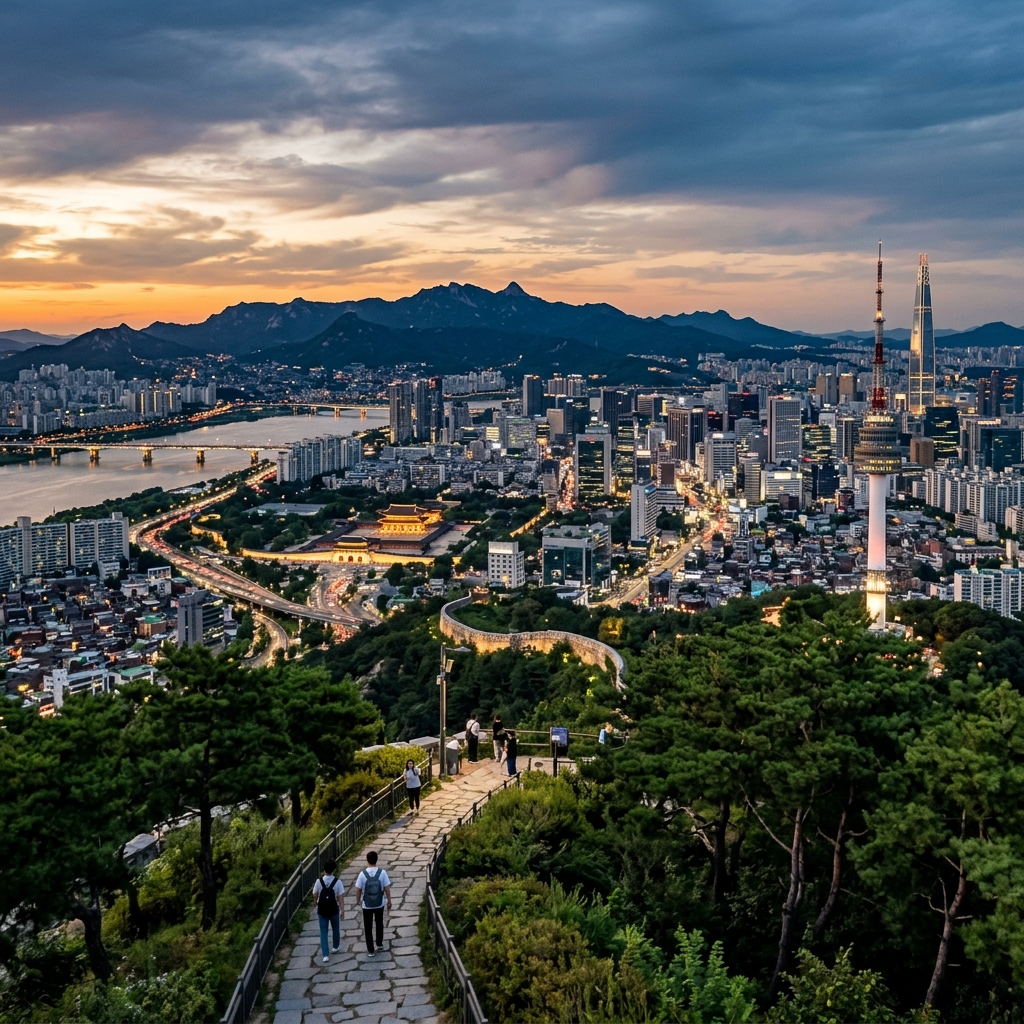
Seoul is a city where hyper-modern skyscrapers stand alongside centuries-old royal palaces, and where Michelin-starred dining coexists with budget-friendly street food stalls. For international travelers, estimating the true cost of visiting South Korea’s captivating capital can feel tricky. While Seoul has a reputation for cutting-edge technology and high-end fashion, it remains one of the most accessible and affordable world capitals in East Asia if you know how to navigate your spending.
On average, a solo budget traveler can expect to spend around ₩55,000 to ₩80,000 ($40 to $60 USD) per day, while a mid-range traveler will comfortably spend between ₩140,000 and ₩230,000 ($105 to $175 USD) per day. Luxury travelers can easily spend upwards of ₩450,000 ($340 USD) per day enjoying luxury boutique hotels, premium Korean BBQ, and private tours.
This comprehensive financial planning guide breaks down real prices for accommodation, food, public transit, and sightseeing, giving you the exact figures needed to build your ultimate Seoul travel budget.
Daily Travel Budgets for Seoul
Your daily expenditure in Seoul depends heavily on your accommodation style and dining preferences. To help you visualize your trip expenses, here is a breakdown of realistic daily expenditures per person across three common travel styles.
Shoestring / Backpacker Budget Planner: ₩50,000 – ₩75,000 per day ($38 – $57 USD)
- Lodging: Dorm bed in a hostel or private room in a basic guesthouse (₩20,000 – ₩35,000)
- Food: Convenience store breakfasts, local bunsik (snack shop) lunches, and street food dinners (₩18,000 – ₩25,000)
- Transportation: 4–5 rides on the subway using a T-Money card (₩6,000 – ₩8,000)
- Attractions: Free museums, public parks, historic walks, and 1 cheap paid site (₩5,000 – ₩7,000)
Mid-Range Budget: ₩130,000 – ₩220,000 per day ($98 – $165 USD)
- Lodging: Private room in a 3-star hotel or stylish Airbnb (₩70,000 – ₩120,000 per person based on double occupancy)
- Food: Sit-down breakfasts, local restaurants, Korean BBQ, and café visits (₩40,000 – ₩65,000)
- Transportation: Unlimited subway/bus travel plus an occasional short taxi ride (₩10,000 – ₩18,000)
- Attractions: Entry fees for palaces, observation decks, and paid exhibits (₩12,000 – ₩25,000)
Luxury / High-End Budget: ₩450,000+ per day ($340+ USD)
- Lodging: 4-star or 5-star international hotel in Gangnam or Myeongdong (₩250,000 – ₩450,000 per room)
- Food: Fine dining, upscale Hanwoo beef BBQ, high-end cocktail bars (₩120,000 – ₩250,000)
- Transportation: Kakao T taxis, private airport transfers, or private drivers (₩40,000 – ₩80,000)
- Attractions: Guided day tours, private DMZ tours, and premium show tickets (₩50,000 – ₩150,000)
Accommodation Costs in Seoul: Where to Stay for Every Budget
Seoul offers an extensive range of lodging options. Prices vary based on neighborhood popularity and seasonal demand (peak seasons occur during spring cherry blossoms in April and autumn foliage in October).
Hostels and Capsule Hotels (₩20,000 – ₩40,000 / night)
Hostels in Seoul are clean, safe, and modern. Shared dormitory beds range from ₩20,000 to ₩35,000 ($15 to $26 USD) per night. Hostels in areas like Hongdae and Sinchon cater to younger crowds, offering social events and free light breakfasts (toast, eggs, and instant coffee).
Budget Guesthouses and Business Hotels (₩65,000 – ₩120,000 / night)
For private rooms on a budget, look into small guesthouses or Japanese-style business hotel chains like Toyoko Inn. Double rooms in these establishments typically range from ₩65,000 to ₩120,000 ($50 to $90 USD) per night. Rooms are compact but extraordinarily clean and functional.
Mid-Range & Boutique Hotels (₩130,000 – ₩250,000 / night)
Mid-range hotels offer spacious rooms, modern amenities, and prime central locations. Brands like L7 Hotels, Nine Tree Premier, and Hotel Skypark provide high standards of comfort in tourist hubs for ₩130,000 to ₩250,000 ($100 to $190 USD) per night.
Best Neighborhoods for Budget Travelers
- Hongdae: The university district filled with affordable hostels, cheap street food, and vibrant nightlife.
- Sinseol-dong / Dongdaemun: Located just east of the city center, offering significantly cheaper business hotels while maintaining fast subway connections.
- Jongno: Ideal for budget travelers who want to walk to major historic sites and traditional food alleys.
Food and Dining Expenses: Eating Well Without Breaking the Bank
Food is one of the best aspects of traveling in South Korea because exceptional meals can be enjoyed at almost any price point. Tipping is non-existent in South Korea, meaning the price on the menu is exactly what you pay.
Convenience Store Dining (₩3,000 – ₩7,000 per meal)
Korean convenience stores (GS25, CU, Seven-Eleven) are legendary. You can purchase a filling meal consisting of a triangular rice ball (samgak-kimbap for ₩1,200), instant ramen (₩1,500), and a drink or pouch iced coffee (₩2,000) for under $5 USD total.
Neighborhood Bunsik and Local Eateries (₩7,000 – ₩12,000 per meal)
Local Korean diners, often known as bunsik-jip (such as the widespread chain Kimbap Cheongguk), offer hearty traditional meals at unbeatable prices. A gigantic bowl of bibimbap, hot kimchi jjigae (stew), or freshly rolled kimbap costs between ₩7,000 and ₩11,000 ($5.25 to $8.25 USD). Free side dishes (banchan) and cold water are always included.
Korean BBQ and Mid-Range Dining (₩18,000 – ₩35,000 per person)
A classic pork belly BBQ (samgyeopsal) dinner costs around ₩15,000 to ₩20,000 per serving (most restaurants require a minimum two-person order). Adding beer or soju (₩5,000 per bottle) brings a standard dinner total to around ₩25,000 to ₩35,000 ($19 to $26 USD) per person. High-end Hanwoo beef BBQ will run significantly higher, often ₩60,000 to ₩100,000+ per portion.
Traditional Street Food Markets
Visiting places like Gwangjang Market or Mangwon Market allows you to sample historic dishes affordably:
- Bindyetteok (Mung bean pancakes): ₩5,000
- Tteokbokki (Spicy rice cakes): ₩4,000
- Mayak Kimbap (Mini rice rolls): ₩3,000
- Mandu (Handmade dumplings): ₩6,000 per plate
Public Transportation Costs & Transit Hacks
Seoul boasts one of the most efficient, clean, and cheap public transportation systems in the world.
The T-Money Transit Card
Upon arriving in South Korea, purchase a rechargeable T-Money card at any airport convenience store or subway station. The physical card costs ₩3,000 to ₩5,000 ($2.25 to $3.75 USD). Loading funds onto the card gives you discounted fares and free transfers between subways and buses within a 30-minute window.
Subway and City Bus Fares
- Subway Base Fare: ₩1,400 ($1.05 USD) for the first 10 km (adds ~₩100 for every additional 5 km).
- City Bus Base Fare: ₩1,500 ($1.12 USD) for standard blue/green buses.
Airport Transfers: AREX vs. Airport Limousine Bus
Traveling from Incheon International Airport (ICN) to downtown Seoul is simple:
- AREX Express Train: Non-stop to Seoul Station in 43 minutes. Costs ₩11,000 ($8.25 USD).
- AREX All-Stop Train: Takes 59 minutes, stops at key lines including Hongdae. Costs ₩4,500 ($3.40 USD) using T-Money.
- Airport Limousine Bus: Comfortable direct buses to major hotel zones. Costs ₩17,000 ($12.80 USD).
Taxis and Kakao T
Standard taxis start at a base fare of ₩4,800 ($3.60 USD) for the first 1.6 km. Short city rides usually cost under ₩12,000 ($9 USD). Download the Kakao T app to easily hail rides and avoid language barriers.
Sightseeing and Attraction Costs
Sightseeing in Seoul is remarkably light on the wallet. Many of the city's top sights are either free or cheap.
Historic Palaces and Cultural Pass
Seoul’s "Big Five" royal palaces are highly affordable:
- Gyeongbokgung Palace: ₩3,000 ($2.25 USD)
- Changdeokgung Palace & Secret Garden: ₩3,000 (Main Grounds) + ₩5,000 (Secret Garden)
- Integrated Palace Pass: ₩10,000 ($7.50 USD) — covers access to four major palaces and Jongmyo Shrine over 3 months.
- Pro Tip: Wearing a full Hanbok (traditional Korean dress) grants you 100% free entry into all royal palaces! Hanbok rental shops nearby charge ₩15,000 – ₩25,000 for a 2-to-4-hour rental.
Observation Decks and Amusement Parks
- N Seoul Tower Observatory: ₩21,000 ($15.80 USD)
- Seoul Sky (Lotte World Tower): ₩31,000 ($23.30 USD)
- Lotte World Amusement Park: ₩62,000 ($46.50 USD) — Tip: Discounted tickets are routinely available on booking platforms like Klook for ~₩38,000.
- DMZ Half-Day Tour: ₩65,000 – ₩95,000 ($48 – $70 USD)
Best Free Things to Do in Seoul
- Explore historic residential alleys in Bukchon Hanok Village.
- Stroll along the 11-kilometer Cheonggyecheon Stream.
- Visit world-class institutions like the National Museum of Korea and the War Memorial of Korea (both have free general entry).
- Hike Mount Namsan, Mount Inwangsan, or Mount Bukhansan for spectacular city panoramas.
- Relax along the Han River Parks (Yeouido or Banpo).
Smart Money-Saving Tips for Traveling Seoul
Stretch your travel funds even further with these field-tested financial hacks:
1. Take Advantage of Tax-Free Shopping: Foreign tourists can get immediate tax refunds (7–10% VAT savings) at participating retail stores when spending ₩15,000 or more. Bring your passport when shopping in cosmetic stores or department stores in Myeongdong.
2. Buy a Local eSIM or Pocket WiFi Online: Do not buy mobile data blindly at airport counters without booking ahead. Pre-ordering an eSIM or Pocket WiFi router online via platforms like Klook or Chingu Mobile saves up to 40%, costing around ₩2,500 – ₩4,000 ($1.90 – $3.00 USD) per day for unlimited data.
3. Use Local Navigation Apps: Google Maps does not provide accurate walking or driving directions in South Korea due to national security map data laws. Download Naver Map or KakaoMap to avoid getting lost and wasting transit funds on wrong routes.
4. Drink Free Tap Water: Tap water in Seoul is completely safe to drink. Virtually all restaurants and cafes provide free, filtered cold water stations. Bring a reusable water bottle to refill throughout the day.