
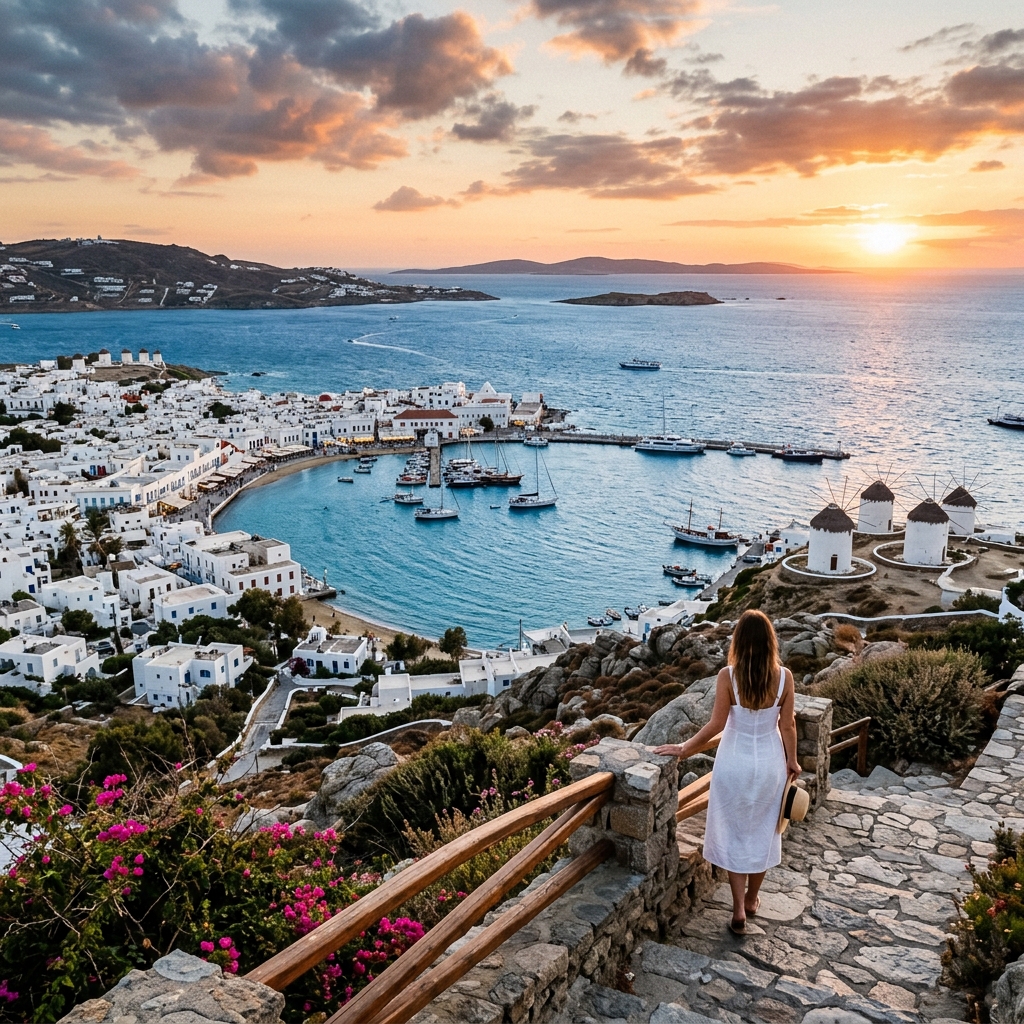
Mykonos Travel Budget remains one of the world's most captivating island destinations in 2026, famed for its brilliant white Cycladic architecture, vibrant nightlife, world-class beach clubs, and iconic wind-swept landscapes. However, navigating this glamourous Greek hotspot requires careful financial planning and a highly strategic packing strategy. From slippery marble cobblestones in Chora to fierce seasonal winds and high beach-club cover charges, showing up unprepared can quickly strain your travel wallet.
Whether you are staying in a cozy hostel dorm, a boutique hotel overlooking Little Venice, or a cliffside luxury villa, this comprehensive 2026 packing and prep checklist will ensure you travel lighter, pack smarter, and avoid unexpected out-of-pocket expenses while exploring Mykonos.
2026 Mykonos Travel Financial Benchmarks
Understanding the cost of travel in Mykonos is essential before you begin packing your bags. The island caters to a wide spectrum of travelers, but baseline prices reflect its status as a premier European luxury hub. Below are the standard daily financial benchmarks for visiting Mykonos in 2026 across three distinct travel styles.
Backpacker / Budget Tier ($91 / day base)
- Accommodation: $50 per night (Hostel dorm bed or budget private room inland/Paradise Beach).
- Food & Drink: $28 per day (Street Food & Meal Cost Index, gyros, bakery items, self-catering from local supermarkets like AB Vassilopoulos).
- Transport: $13 per day (KTEL local public bus rides and walking).
Standard / Mid-Range Tier ($259 / day base)
- Accommodation: $165 per night (Standard 3-star hotel, guesthouse, or traditional apartment near Ornos, Tourlos, or Mykonos Town).
- Food & Drink: $66 per day (Casual sit-down taverna lunches, coffee, mid-range dinner with a glass of local wine).
- Transport: $28 per day (Shared shuttles, periodic taxi rides, or a budget scooter rental Split Travel Budget between two).
Luxury Tier ($748 / day base)
- Accommodation: $495 per night (5-star boutique luxury resort, private pool villa in Psarou, Agios Ioannis, or Elia).
- Food & Drink: $165 per day (High-end beach club dining at Nammos or Scorpios, fine dining, premium cocktails).
- Transport: $88 per day (Private chauffeur, dedicated airport/port transfers, or quad/car rental).
Note on Sightseeing & Extra Expenses: Expect to allocate an extra $20 to $150+ per day depending on activities. A ferry day-trip to the sacred ruins of Delos costs roughly $30-$50 for return ferry and entry fees, while renting a pair of sun loungers at premium beach clubs can range from $40 in low season up to $200+ per day during peak July-August 2026 dates.
Essential Mykonos Packing & Budget Checklist by Category
Packing for Mykonos requires balancing Mediterranean chic with practical utility. The island's geography features steep stairs, uneven flagstones, strong sun, and intense maritime winds.
1. Footwear: Form Meets Function
The streets of Mykonos Town (Chora) are paved with centuries-old marble and cobblestones that have been polished smooth by millions of footsteps. They are notoriously slippery, even when dry.
- Stylish flat sandals with good rubber grips: Essential for ladies navigating Chora at night. Avoid high heels or slick leather soles; Cork Travel Budget wedges or platform sandals are the absolute limit for safety.
- Comfortable walking sneakers: Crucial for daytime sightseeing, exploring the hilly terrain, or visiting archaeological sites like Delos.
- Slip-resistant water shoes or flip-flops: Many of Mykonos's stunning beaches have pebble entrances or hot sand that reaches scorching temperatures by mid-afternoon.
2. Clothing: Defeating the Meltemi Wind & Sun
Mykonos is known as the "Island of the Winds" due to the Meltemi—strong, dry summer winds that blow through the Cyclades, especially in July and August. Temperatures may hit 30°C (86°F), but the wind can make evenings feel chilly.
- Lightweight, breathable fabrics: Linen shirts, cotton dresses, and moisture-wicking materials are ideal for daytime heat.
- Windproof light jacket or structured cardigan: Essential for evenings when the Meltemi blows across coastal restaurants.
- Versatile swimsuits (2-3 pairs): You will spend much of your time near the Aegean. Pack quick-dry options so you always have a dry set ready.
- Resort wear for beach clubs: If you plan to visit upscale venues like Scorpios, Alemagou, or SantAnna, bring elevated beach attire (tailored linen shirts, stylish sarongs, designer sunglasses). Buying apparel at local beach boutiques will cost double or triple retail prices.
3. Sun & Wind Protection
- Secure, fitted sun hat: Wide-brimmed hats look great, but make sure yours has a chin strap or a snug inner band. Unsecured hats routinely blow into the Aegean Sea!
- UV400 Polarized Sunglasses: Glare off the whitewashed walls and turquoise water is intense. Bring a snug-fitting pair.
- Reef-Safe Sunscreen (SPF 30+): Sunscreen prices in island mini-marts can be exorbitant (often $25-$35 per bottle). Pack travel-sized reef-safe sunscreen in your carry-on or a full bottle in checked luggage.
- After-sun lotion / Aloe vera gel: Soothes skin after full days exposed to salt water and strong wind exposure.
4. Tech & Hardware Essentials
- Type C and Type F Power Adapters: Greece uses standard European two-pin plugs running on 230V voltage.
- High-capacity Portable Power Bank (10,000mAh+): Long days out touring beaches, taking photos, and using GPS navigation will drain your smartphone battery quickly.
- Waterproof Phone Pouch: Protects your phone from sea spray on ferry rides, catamaran cruises, or while lounging by the water.
Pre-Departure Administrative & Financial Prep for 2026
Smooth trips require getting your paperwork and payment methods in order long before arriving at Mykonos Island National Airport (JMK) or the New Port at Tourlos.
1. Visa & Entry Requirements (2026 ETIAS System)
In 2026, travelers from visa-exempt non-EU countries (including the United States, Canada, the United Kingdom, Australia, and New Zealand) must secure an ETIAS (European Travel Information and Authorization System) authorization before boarding flights or ferries into the Schengen Zone. Ensure you apply online at least 72 hours prior to departure. The fee is valid for three years or until your passport expires.
2. Payment Methods & Currency Strategy
Greece operates on the Euro (€). While Mykonos is heavily digitized—almost all restaurants, beach clubs, and hotels accept contactless mobile payments and major credit cards—carrying minimal cash is still mandatory.
- Fee-Free Multi-Currency Cards: Use debit or credit cards with zero foreign transaction fees to avoid 3% surcharges on every purchase.
- Emergency Cash (€50 - €100): Necessary for public KTEL bus drivers (who rarely take cards for single tickets), tipping port porters, or small purchases at traditional bakeries.
- ATM Strategy: Avoid independent Euronet ATMs found in tourist centers due to high conversion fees and commission rates. Use official Greek bank ATMs (such as Alpha Bank, National Bank of Greece, or Piraeus Bank) for cash withdrawals.
3. Travel Insurance & Rental Coverage
If you plan to rent an ATV, scooter, or rental car to explore remote beaches like Fokos or Lia, ensure your travel insurance specifically covers two-wheeler transport and third-party liabilities. Standard medical insurance often excludes quad bike accidents on island roads.
Smart Packing Hacks to Lower Travel Costs in Mykonos
Strategic packing directly impacts your daily spending. Here are practical ways to save money by preparing your luggage thoughtfully:
- Choose a Travel Backpack over Hard-shell Suitcases: Rolling heavy wheel luggage through the narrow, stepped paths of Mykonos Town or down steep harbor ramps is exhausting and easily breaks luggage wheels. Carry-on backpacks make transfers quick and eliminate porter fees ($10-$20 per bag).
- Pack a Compact Microfiber Beach Towel: Many mid-range accommodations charge extra fees for beach towel rentals, and renting loungers at basic beach bars can be costly. Carrying your own compact towel allows you to comfortably use the free public sections of beaches like Elia or Kalafatis.
- Bring a Insulated Water Bottle: Tap water on Mykonos is non-potable (desalinated sea water, fine for showering and brushing teeth, but not for drinking). Carry a insulated flask and buy large 5-liter water jugs at local supermarkets to refill your bottle, saving $5-$10 daily compared to single-use bottled water at beach bars.
- Pack a Compact Picnic/Snack Bag: Beachfront snacks are expensive. Packing small reusable silicone bags or a collapsible lunch container allows you to buy fresh fruits, bakery pastries, and cheese from local markets for inexpensive beach picnics.
Sample 2026 Daily Expenses Breakdown Table
To help budget your daily expenses, here is a clear summary of anticipated costs in Mykonos for 2026 across key spending categories:
- Local Bus Ticket (KTEL Mykonos): $2.20 – $3.50 (€2.00 – €3.20) per ride depending on destination.
- ATV / Quad Bike Rental (Daily): $45.00 – $85.00 per day (plus fuel).
- Traditional Gyro Wrap (Chora / Fabrika): $4.50 – $6.50.
- Casual Taverna Dinner (Per Person): $30.00 – $55.00 (Appetizer, main dish, local wine).
- Espresso / Freddo Cappuccino at Beach Club: $6.00 – $12.00.
- Standard Beach Chair Set (2 Chairs + Umbrella): $40.00 (Public/Casual Beaches) to $180.00+ (High-End Clubs).
Conclusion
Mykonos in 2026 delivers an unforgettable Mediterranean escape filled with striking scenery, world-class dining, and unmatched summer energy. By packing smart—prioritizing comfortable footwear, wind-resistant clothing, and essential sun gear—and matching your daily budget to your travel style, you can experience the best of this Cycladic jewel without unexpected financial surprises. Prepare your ETIAS permit, secure your multi-currency card, pack light, and get ready to enjoy one of the premier destinations in Greece.