
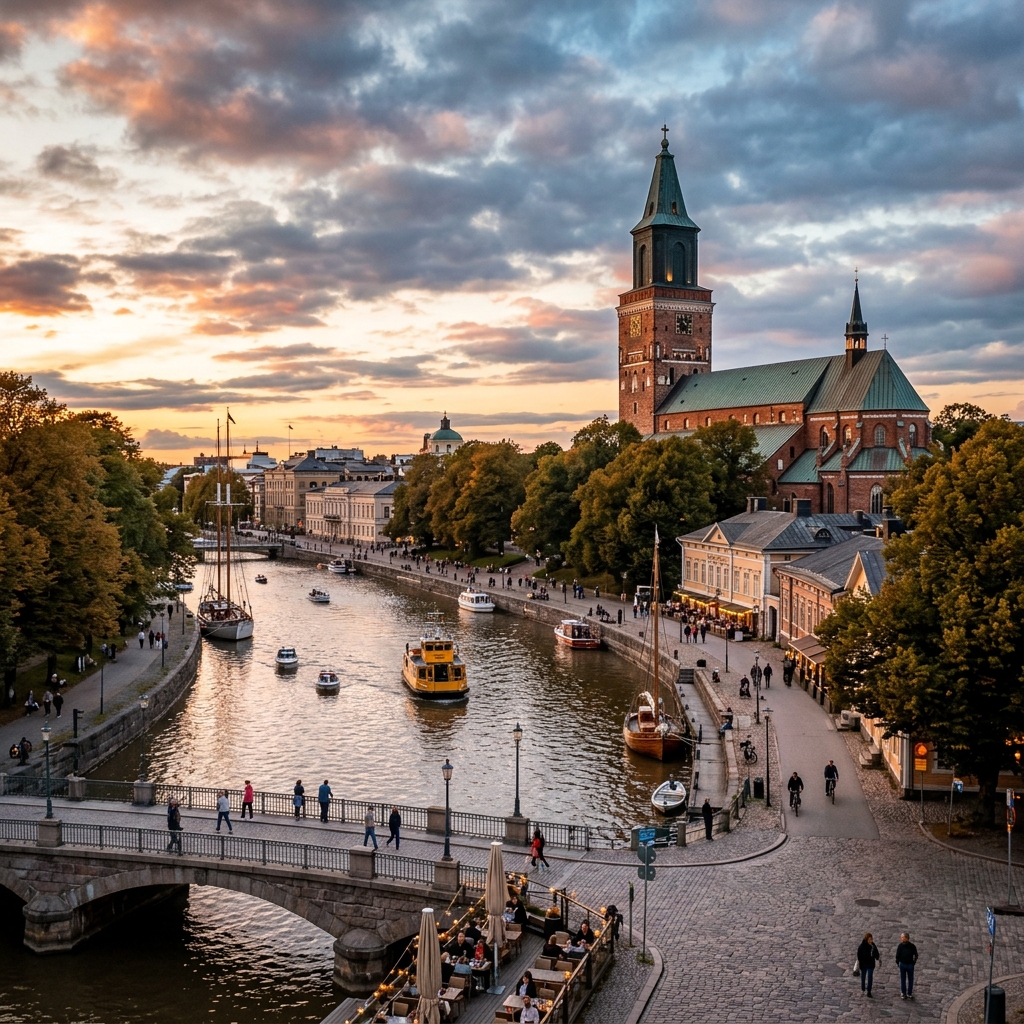
Turku Travel Budget Travel Budget & Purchasing Power Index Overview for 2026
As Finland's oldest city and former capital, Turku presents a captivating blend of medieval heritage, modern Nordic gastronomy, and coastal archipelago beauty. For international visitors traveling in 2026, evaluating Turku through the lens of a local Purchasing Power Index (PPI) provides a clear financial road map. While Nordic destinations are globally renowned for elevated baseline prices, Turku offers a distinct cost advantage compared to Helsinki Travel Budget—delivering approximately 15% to 20% greater purchasing power for accommodation, local transit, and cultural leisure.
The financial dynamic in Turku is shaped by Finland's high standard of living, robust wage structures, and standard value-added tax (VAT) rates of 25.5%. However, visitors will quickly notice that high nominal costs are matched by exceptional infrastructural quality, immaculate public safety, high-grade complimentary drinking water, and efficient municipal transit networks. By understanding how foreign currencies interact with local price floors, travelers can strategically time their visits, dining habits, and local excursions to maximize every dollar, euro, or pound spent.
Understanding Turku's Economic Landscape and Purchasing Power
Analyzing local purchasing power requires looking beyond straightforward currency conversions. In Turku, domestic labor costs set a high price floor for service-heavy industries such as sit-down dining, taxi services, and boutique hotel hospitality. Conversely, self-service infrastructure, public transportation, and retail grocery items remain exceptionally competitive by Northern European standards.
In 2026, the purchasing power of visitors holding major currencies like USD, GBP, or EUR remains resilient in Turku, provided travelers adapt to Nordic spending patterns. The secret to maximizing yield per travel unit lies in leveraging local public systems—such as the integrated Föli transport network and the widespread Finnish lunch deal tradition (Lounas)—which level the economic playing field for international tourists.
2026 Daily Travel Cost Tiers Breakdown
To assist in accurate travel planning, we have established three distinct daily spending benchmarks for visitors in Turku for 2026. These metrics account for fixed nightly accommodation rates alongside daily food and local transportation overheads.
1. Backpacker Tier: $91 per Day Total
- Accommodation: $50 per night (Dorm bed in a boutique hostel or eco-focused budget property such as Laivahostel Borea).
- Food: $28 per day (Utilizing supermarket meal deals, bakery items, and budget lunch buffets).
- Transport: $13 per day (24-hour regional Föli transit pass or pay-as-you-go city bus trips).
The backpacker tier leverages self-catering and public spaces along the Aura River. Staying in hostel dormitories or micro-budget rooms keeps accommodation costs firm at $50 per night. Grocery purchasing at major chains like K-Market and S-Market keeps meal expenses capped at $28 per day without compromising nutritional value.
2. Standard / Mid-Range Tier: $259 per Day Total
- Accommodation: $165 per night (Private double room in a 3-star or 4-star hotel like Solo Sokos Hotel Turun Seurahuone or Radisson Blu Marina Palace).
- Food: $66 per day (Combining standard lunch deals with mid-range casual riverfront dinners and coffee breaks).
- Transport: $28 per day (Flexible Föli travel passes, occasional water buses, and short regional bus connections).
The mid-range traveler experiences the sweet spot of Turku's purchasing power. For $165 per night, visitors secure modern, stylish design hotels situated within walking distance of the central city square (Kauppatori). A daily food allocation of $66 allows for enjoying traditional salmon soup, craft bakeries, and casual evening bistros.
3. Luxury Tier: $748 per Day Total
- Accommodation: $495 per night (Premium suite at a high-end property, boutique riverside lodge, or private archipelago retreat).
- Food: $165 per day (Multi-course tasting menus at top-rated restaurants, fine wine pairings, and gourmet breakfasts).
- Transport: $88 per day (Private airport transfers, water taxis to nearby archipelago islands, and taxi hires).
Luxury travel in Turku focuses on exclusivity, personalized archipelago experiences, and high-end gastronomy. At $495 per night, premium lodging delivers sweeping river vistas, private saunas, and concierge services, while a $165 daily culinary budget opens doors to renowned gastronomic venues celebrating seasonal Nordic ingredients.
Accommodation Costs in Turku (2026)
Accommodation represents the largest absolute outlay when visiting Southwest Finland. In 2026, hotel pricing fluctuates heavily depending on seasonal demand. The peak summer window (June through August) sees high occupancy driven by festival travel and archipelago tourism, whereas shoulder autumn and winter months present significant discounting opportunities.
Budget accommodations average $50 per night for shared dorms or simple private cabins near the port area. Mid-scale design hotels average $165 per night, often including standard perks such as access to an authentic Finnish sauna and a comprehensive Nordic breakfast buffet. Luxury properties, ranging from high-end executive hotel suites to private island retreats in the surrounding archipelago, command rates near $495 per night.
Food, Dining & Culinary Purchasing Power Hacks
Dining out in Finland carries a heavy tax load and service wage baseline, making dinner at a full-service restaurant relatively costly. However, visitors can dramatically optimize their food budget by embracing the Finnish Lounas culture.
Between 11:00 AM and 2:00 PM on weekdays, virtually all restaurants in Turku—including upscale establishments along the Aura River—offer fixed-price lunch menus ranging from €12 to €16 ($13 to $18 USD). These deals typically include a warm main dish, an extensive salad bar, fresh bread, and after-meal coffee or tea. By relying on a hearty mid-day Lounas and opting for a lighter casual meal or market hall sampling in the evening, mid-range travelers can easily hold food expenditures to $66 per day.
For budget travelers operating at the $28 per day food benchmark, Turku Market Hall (Turun Kauppahalli) and local supermarkets provide access to fresh rye bread, smoked fish, pre-made berry porridges, and regional cheeses at local purchasing rates. Luxury travelers spending $165 per day can indulge in fine-dining tasting menus that showcase regional game, wild berries, and fresh Baltic seafood.
Transit & Mobility Expenses: Navigating the Föli Network
Turku features one of Northern Europe’s most streamlined transit ecosystems under the Föli brand. A single Föli ticket covers city buses, water buses traveling along the Aura River during summer, and regional buses extending to neighbouring historical towns like Naantali and Kaarina.
A single bus ticket costs approximately €3.00 to €4.00, valid for 2 hours with free transfers. Daily passes offer exceptional purchasing power value for active sightseers:
- 24-Hour Föli Pass: ~€8.00–€10.00 ($9–$11 USD), fitting neatly within the $13 daily budget allocation for backpackers.
- Multi-Day & Regional Transit: Mid-range travelers allocating $28 per day can utilize regional routes out to the Archipelago Trail without needing expensive rental vehicles.
- Private & Water Mobility: Luxury travelers allocating $88 per day can incorporate private archipelago water taxis, island ferry bookings, or regular taxi rides using regional mobility apps.
Additionally, the famous orange river ferry—the Föri—transports pedestrians across the Aura River free of charge year-round, serving as a iconic local transport highlight that costs nothing.
Sightseeing, Experiences & Cultural Value
Turku excels in providing high cultural return on investment. Many of the city's key attractions are either free or reasonably priced:
- Turku Castle (Turun linna): Adult entry tickets range between €12 and €16. This 700-year-old fortress provides hours of historical exploration, offering immense value for culture enthusiasts.
- Luostarinmäki Handicrafts Museum: An open-air museum featuring original 18th-century wooden houses that survived the Great Fire of Turku. Tickets cost approximately €10 to €14.
- Aboa Vetus Ars Nova: A unique museum combining medieval underground ruins with contemporary art exhibitions (Admission around €14).
- Kakola Funicular: A free public funicular railway taking visitors up to the historic Kakolanmäki hill district, home to a repurposed former prison turned into a trendy precinct with local bakeries and a microbrewery.
- Aura River Promenade: Walking or biking along the scenic riverbanks is entirely free and represents the heart of social life in Turku.
Actionable Strategies to Stretch Your Purchasing Power in Turku
To get maximum value from your travel funds in Turku in 2026, implement these field-tested financial recommendations:
- Capitalize on the Weekday Lunch Special: Make lunch your primary warm meal of the day to take advantage of the Lounas pricing structure across the city center.
- Download the Föli App Early: Purchase digital transit tickets on your smartphone to avoid paying extra cash surcharges or transaction friction on board.
- Drink the Tap Water: Finnish tap water is exceptionally pure and tastes excellent. Avoid purchasing bottled water in stores or restaurants; tap water is universally clean and complementary.
- Visit During Shoulder Months: Late spring (May) and early autumn (September) offer long daylight hours, pleasant weather, and hotel rates that are 20% to 30% lower than peak July prices.
- Explore Free Nature and Islands: Take advantage of Finland's "Everyman’s Right" (Jokamiehenoikeus) by hiking, foraging, and exploring public coastal trails at zero expense.