
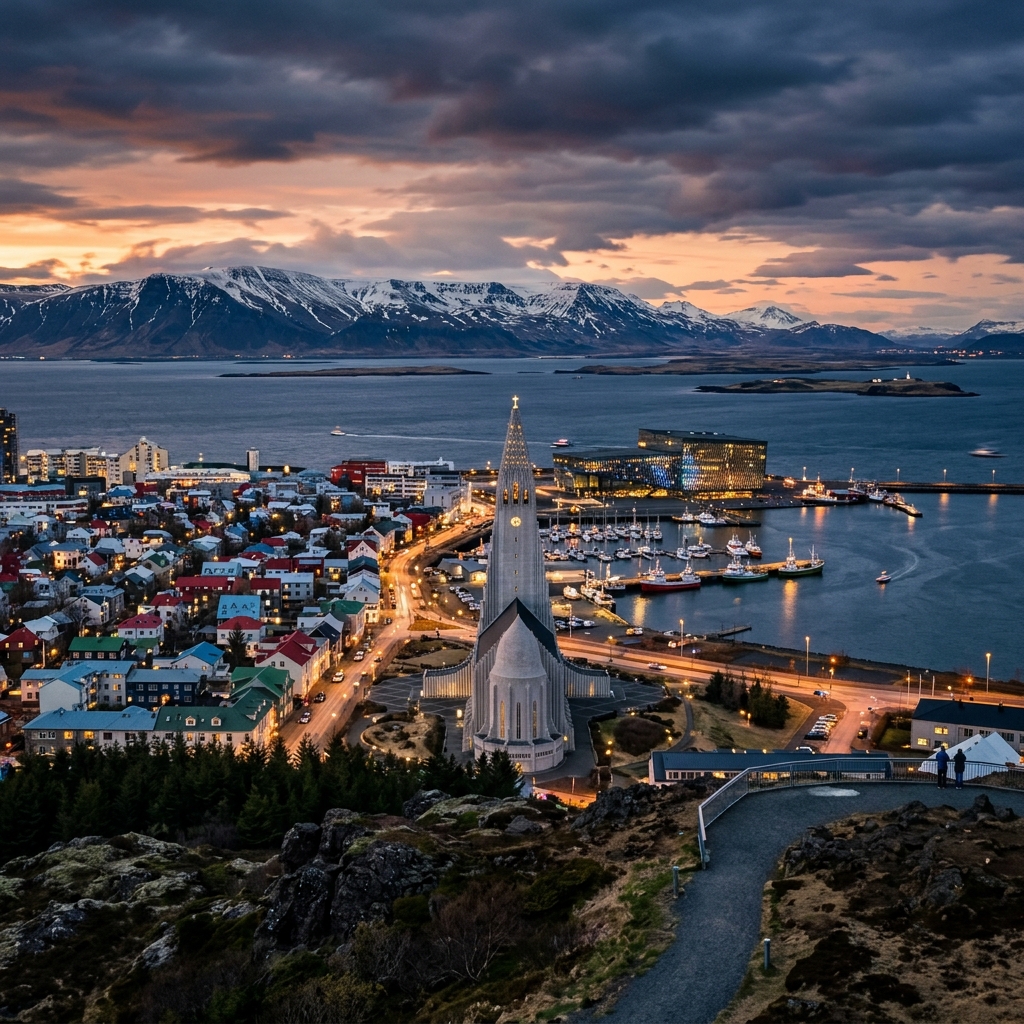
Introduction: Remote Work in North Atlantic Paradise (2026 Edition)
Reykjavik Travel Budget has firmly established itself as one of the world's most unique Digital Nomad Living Index hubs in 2026. Combining world-class fiber-optic digital infrastructure, hyper-safe streets, dramatic volcanic scenery, and a progressive tech scene, Iceland’s capital offers an unparalleled environment for location-independent professionals. However, living near the Arctic Circle comes with a well-documented trade-off: high costs.
Navigating Reykjavik as a digital nomad requires meticulous financial planning. Whether you are aiming for a short-term autumn stay to catch the Northern Lights or leveraging Iceland's remote work visa for a full six-month stint, understanding your daily and monthly burn rate is crucial. This comprehensive guide breaks down real 2026 financial benchmarks, housing strategies, coworking options, and practical life hacks to help you work efficiently while optimizing your budget in Reykjavik.
Iceland Remote Work Visa & Legal Entry Rules in 2026
Before packing your laptop bag, securing legal entry and work authorization is paramount. In 2026, foreign remote workers have clear pathways to live and work legally in Iceland without impacting the local labor market.
- Schengen 90-Day Tourist Entry: Citizens of the US, Canada, the UK, Australia, and EU/EEA countries can enter Iceland visa-free for up to 90 days within a 180-day period. (Note that non-EU visitors must comply with the ETIAS system requirement fully active in 2026). Remote work on a standard tourist entry is permitted provided you do not seek local Icelandic employment.
- Long-Term Visa for Remote Workers: Iceland offers a dedicated long-term visa for non-EU/EEA/EFTA remote employees and freelancers. Valid for up to 180 days (or 90 days if applying while inside the Schengen area), this visa requires proof of foreign employment or self-employment income meeting the updated 2026 threshold—approximately 1,000,000 ISK per month (roughly $7,500–$7,800 USD per month depending on exchange rates) for individual applicants, plus comprehensive health insurance coverage.
Nomad Travel Cost Calculator Benchmarks: Real Costs of Living in Reykjavik
To give you an accurate picture of financial requirements in 2026, TravelCostCalculator.org tracks real daily benchmarks across three distinct lifestyle tiers. Here is what you can expect to spend per day and month when living in Reykjavik.
1. Backpacker / Ultra-Budget Nomad Tier
Designed for cost-conscious freelancers, shoestring nomads, and solo travelers utilizing hostels, shared coliving beds, local buses, and strict self-catering strategies.
- Accommodation: $52 per night (Dorm bed in top-tier hostels like Kex Hostel or Student Hostel, or budget private room outside central 101).
- Food & Dining: $29 per day (Cooking 90% of meals using budget supermarkets like Bónus or Krónan, supplemented by cheap local street eats like the iconic Bæjarins Beztu Pylsur hot dogs).
- Transport: $14 per day (Public bus rides via the Klapp app, combined with walking).
- Total Daily Estimate: $95 / day
- Estimated 30-Day Monthly Cost: $2,850 / month
2. Standard / Mid-Range Nomad Tier
The standard benchmark for full-time remote workers wanting a balance of comfort, privacy, and social life. This tier includes a private apartment or Airbnb, regular work sessions at specialty cafes/coworking hubs, and dining out a few times per week.
- Accommodation: $173 per night (Private 1-bedroom apartment or studio in downtown Miðborg, Vesturbær, or Hlíðar).
- Food & Dining: $69 per day (Groceries mixed with mid-tier cafe lunches, fish soup spots, and casual evening dining).
- Transport: $29 per day (Monthly public transport pass combined with occasional ride-share services, scooter rentals, or periodic weekend car-sharing).
- Total Daily Estimate: $271 / day
- Estimated 30-Day Monthly Cost: $8,130 / month
3. Luxury / Executive Nomad Tier
Tailored for high-earning tech founders, senior executives, and slow travelers seeking boutique living accommodations, top-tier fine dining, private 4x4 car leases, and seamless wellness living.
- Accommodation: $518 per night (Luxury boutique hotel suite, high-end design apartment overlooking the harbor, or penthouse in Miðborg).
- Food & Dining: $173 per day (Tasting menus at Michelin-recognized spots like Dill or Grillmarkaðurinn, specialty third-wave coffee daily, imported wine, and premium organic dining).
- Transport: $92 per day (Full-time private 4x4 SUV vehicle rental with insurance and parking fees included).
- Total Daily Estimate: $783 / day
- Estimated 30-Day Monthly Cost: $23,490 / month
Housing & Neighborhood Guide for Digital Nomads
Housing is the single largest expense you will face in Reykjavik. Finding medium-term rentals (1 to 6 months) requires strategy, as short-term tourist rentals dominate the market during peak summer months.
Best Neighborhoods for Remote Workers
- Miðborg (101 Reykjavik - Downtown): The beating heart of the city. Highly walkable, packed with cafes, bars, and coworking spots. Expect premium rent prices, but zero need for vehicle ownership.
- Vesturbær (107 Reykjavik): Located just west of downtown. Trendy, historic, and slightly quieter. Home to the famous Vesturbæjarlaug geothermal pool and the University of Iceland campus. Perfect for nomads seeking local neighborhood vibes.
- Hlíðar (105 Reykjavik): Situated east of the city center. A residential district offering slightly more affordable studio apartments while remaining within a 15-to-20-minute walk to downtown.
Medium-Term Rental Strategies
Avoid paying daily tourist rates on standard booking platforms for longer stays. Look for sub-leases on local Facebook groups such as "Leiga á Íslandi" (Rent in Iceland) or dedicated expat groups. Platform listings negotiated directly with hosts for off-peak months (October to April) can yields discounts of 20% to 35% compared to high-season summer rates.
Coworking, Wi-Fi Speeds, and Work Infrastructure
Iceland boasts some of the fastest internet connectivity in Europe. 5G networks cover 99% of Reykjavik, and home fiber connections routinely reach speeds of 1 Gbps download/upload, making video calls, heavy file transfers, and cloud computing effortless.
Top Places to Work in Reykjavik (2026)
- Gróska Innovation Center (Vatnsmýri): Located in the high-tech district near the university, Gróska is the capital’s flagship ecosystem for tech startups and remote founders. Offers hot-desk memberships, meeting rooms, and high-speed Wi-Fi.
- Regus Iceland (Harpa & Smáratorg): Provides modern, business-grade flex desks with panoramic views near the iconic Harpa Concert Hall.
- Reykjavik City Library (Grófin Branch): An excellent free option for focused solo work sessions, featuring quiet zones, power outlets, and decent public Wi-Fi in the center of town.
- Work-Friendly Cafes: Reykjavik Roasters (Brautarholt location), Te & Kaffi, and Kaffitár welcome digital nomads during off-peak hours. Always remember café etiquette: buy a coffee or pastry every two hours to support local businesses.
Smart Budget Hacks: How to Stretch Your Krona in 2026
Surviving and thriving in Iceland’s capital without breaking the bank requires local know-how. Implement these financial hacks to cut daily expenses drastically:
- Shop strictly at discount supermarkets: Avoid convenience stores like 10-11 or Krambúðin, where prices can be up to 50% higher. Stick exclusively to Bónus (identifiable by its yellow sign with a pink pig logo) or Krónan for weekly grocery shopping.
- Embrace the card-only economy: Iceland is virtually 100% cashless in 2026. You will never need physical paper currency (ISK). Use multi-currency debit cards like Revolut or Wise to secure optimal bank-interbank foreign exchange rates without foreign transaction fees.
- Drink the tap water: Never buy bottled water in Iceland. Reykjavik’s tap water is among the purest spring water on Earth, running directly from subterranean mountain sources. Bring a reusable insulated bottle everywhere.
- Adopt the Icelandic pool culture: Commercial spas like the Blue Lagoon or Sky Lagoon cost $80–$140+ per visit. Instead, purchase a monthly multi-pass card for Reykjavik’s municipal geothermal pools (like Sundhöllin or Laugardalslaug) for under $40/month. It is the ultimate spot for relaxation, networking, and experiencing authentic Icelandic culture.
- Buy alcohol at Vínbúðin: Supermarkets in Iceland only sell low-alcohol beer (under 2.25% ABV). For real beer, wine, or spirits, buy directly from state-run Vínbúðin shops during operating hours—or buy duty-free at Keflavík Airport upon arrival.