
Navigating Pyongyang Travel Budget Travel in 2026: The Visa Landscape & Financial Reality
Visiting Pyongyang, the capital of the Democratic People's Republic of Korea (DPRK), remains one of the most tightly regulated and fascinated travel experiences in 2026. As international travel to the DPRK continues its structured post-reopening phase, understanding the entry logistics, Visa Requirements Checker, and financial planning is critical. Unlike standard independent travel destinations where you can book a flight and wander freely, traveling to Pyongyang requires pre-arranged, fully guided itineraries managed by licensed state-approved travel agencies.
Every foreign visitor to Pyongyang must hold a valid DPRK tourist visa before entry. However, how you acquire this visa, how it interacts with neighboring transit hubs like China, and how your daily budget breaks down can vary significantly depending on your travel style and logistics strategy. Below, we break down essential visa hacks for 2026 alongside comprehensive daily budget benchmarks to ensure your expedition to North Korea is seamless and financially transparent.
Essential Pyongyang Visa Hacks & Requirements for 2026
Securing a visa for North Korea is vastly different from applying for a typical e-Visa or visa-on-arrival. In 2026, all tourist visas must be tied to a booked tour with an accredited agency. Here are the top actionable visa hacks and procedural secrets to streamline your entry.
1. The Tourist Card Hack: Protecting Your Passport Pages
Many travelers worry about getting a physical DPRK visa sticker in their passport due to potential travel complications with other nations or strict passport page requirements. Visa Hack: When applying through major agencies operating via Beijing Travel Budget, Dandong, or Shenyang, request your visa to be issued on a separate DPRK Tourist Paper Slip (Tourist Card).
- The tourist paper slip is issued during your pre-tour briefing in China or at the DPRK consulate.
- It is stamped by border immigration upon arrival at Pyongyang Sunan International Airport (FNJ) or the Dandong-Sinuiju rail line and collected by immigration officials upon departure.
- Your primary passport receives no entry or exit stamps from North Korea, preserving passport longevity and avoiding administrative questions during future international travel.
2. The Chinese 144-Hour Transit Without Visa (TWOV) Strategy
Because nearly all travel to Pyongyang routes through transit gateways in China (most commonly Beijing Capital Airport PKX/PEK or Shenyang SHE), western travelers often face the high cost and hassle of securing a double-entry Chinese visa. Visa Hack: Eligible citizens of 54 countries can leverage China’s 144-hour Transit Without Visa (TWOV) policy if planned correctly.
- The Route: Fly from your home country to Beijing (Hub A) → Fly/Train to Pyongyang (Hub B) → Return to a third territory such as Shanghai Travel Budget, Seoul, or Tokyo (Hub C).
- By proving onward travel to a third country/region (DPRK qualifies as an international third destination), you can enter China for up to 144 hours without paying for an expensive Chinese multi-entry visa.
- Crucial Note: Always confirm your flight itinerary satisfies the non-stop transit rule between China and Pyongyang. Train travel through Dandong may require a standard Chinese visa depending on local transit regulations in 2026.
3. Agency Authorization Fast-Tracking
You do not need to visit a North Korean embassy in person if your home country does not host one. Accredited tour operators handle your visa application directly with the Ministry of Foreign Affairs in Pyongyang. Once authorized, your visa is pre-approved, and the physical slip is collected at the departure hub (such as the DPRK Embassy in Beijing or directly at the airport counter before boarding Air Koryo). Always submit your passport scans at least 30 to 45 days prior to your tour departure date to avoid rush authorization surcharges.
4. Passport Eligibility & Restrictions Check
Before applying, note that passport restrictions remain strictly enforced in 2026. Holders of United States passports and South Korean (ROK) passports are restricted by their respective national laws or DPRK regulations from entering on standard tourist visas. Holders of all other eligible passports (including UK, EU, Canadian, Australian, Southeast Asian, and South American passports) can obtain tourist visas easily through licensed tour operators.
Pyongyang Daily Budget Benchmarks for 2026
Financial planning for Pyongyang is unique because almost all essential expenses—accommodation, basic meals, and internal transport—are packaged into your overall tour price. However, mandatory daily surcharges, hotel upgrades, single supplements, tips, and personal spending require accurate budgeting. The table below outlines the realistic daily baseline costs across three distinct travel tiers in 2026.
- Backpacker Tier: Budget tour group allocation, standard hotel accommodation ($36/night), basic meal package ($20/day), shared group transport ($10/day). Total baseline: $66/day (excluding international transit to Beijing/Dandong).
- Standard / Mid-Range Tier: Standard twin/double room at iconic mid-range hotels ($121/night), upgraded regional dining and craft beer ($48/day), comfortable private coach transport ($20/day). Total baseline: $189/day.
- Luxury Tier: Suite accommodation at premier hotels ($362/night), premium banquet dining and private dining rooms ($121/day), private dedicated vehicle with dedicated guides ($64/day). Total baseline: $547/day.
Detailed Breakdown of Expenses in Pyongyang
1. Accommodation Costs ($36 - $362 / night)
Accommodation in Pyongyang is entirely state-run, catering to international guests across specific designated properties:
- Budget / Backpacker Tier ($36/night): Properties like the Sosan Hotel or Ryanggang Hotel offer simple, functional rooms. While basic, they include private bathrooms, hot water (on scheduled hours), and TV access with international news channels like CCTV.
- Standard Tier ($121/night): The legendary Yanggakdo International Hotel (located on an island in the Taedong River) and the Koryo Hotel (located in downtown Pyongyang) serve as the benchmark for standard travelers. Expect comfortable bedding, multiple hotel bars, bowling alleys, revolving rooftop restaurants, and reliable heating/cooling.
- Luxury Tier ($362/night): Upgraded Executive Suites at the Koryo Hotel or luxury suites at newly renovated premier properties offer expansive multi-room layouts, fine furnishings, upgraded amenities, and personalized concierge service through your senior tour guides.
2. Food & Beverage Costs ($20 - $121 / day)
Food is a central highlight of visiting Pyongyang. Standard tour packages include three full meals daily, but upgraded dining experiences incur out-of-pocket costs.
- Backpacker Tier ($20/day): Includes standard fixed-menu meals at tourist restaurants (bibimbap, hot pot, local side dishes, and chicken dishes). Local snacks, bottled water, and basic soft drinks are minimal in cost.
- Standard Tier ($48/day): Includes iconic culinary upgrades such as authentic Pyongyang Cold Noodles (Pyongyang Raengmyeon) at the famous Okryu-gwan restaurant, traditional Korean BBQ duck dinners, and sampling microbrews at the Taedonggang Brewery Bars ($2 to $4 per draft beer).
- Luxury Tier ($121/day): High-end banquet dining featuring specialized seafood platters, Sinseollo (royal brass hot pot), premium Ginseng chicken (Samgyetang), fine imported spirits, and private dining room reservations.
3. Transportation Logistics ($10 - $64 / day)
Independent transit (taxis, walking unescorted, or solo public transport) is not permitted. All transport is managed within your tour structure.
- Backpacker Tier ($10/day): Shared air-conditioned tour buses used for group travel throughout Pyongyang, including a scheduled ride on the historic Pyongyang Metro (deepest metro system in the world).
- Standard Tier ($20/day): Upgraded modern mini-buses for smaller group sizes, ensuring comfortable transit to outlying sites like the DMZ (Kaesong) or Myohyangsan.
- Luxury Tier ($64/day): Dedicated private car/van with a private chauffeur and two personal guides, allowing maximum scheduling flexibility within approved itinerary parameters.
4. Sightseeing, Tips & Mandatory Extras
While main monument entry fees are included in overall tour bookings, several specific out-of-pocket expenses must be factored into your daily budget:
- Mansu Hill Flowers: It is customary to purchase a bouquet of flowers to lay at the feet of the Grand Monuments on Mansu Hill ($5 to $7 per bouquet).
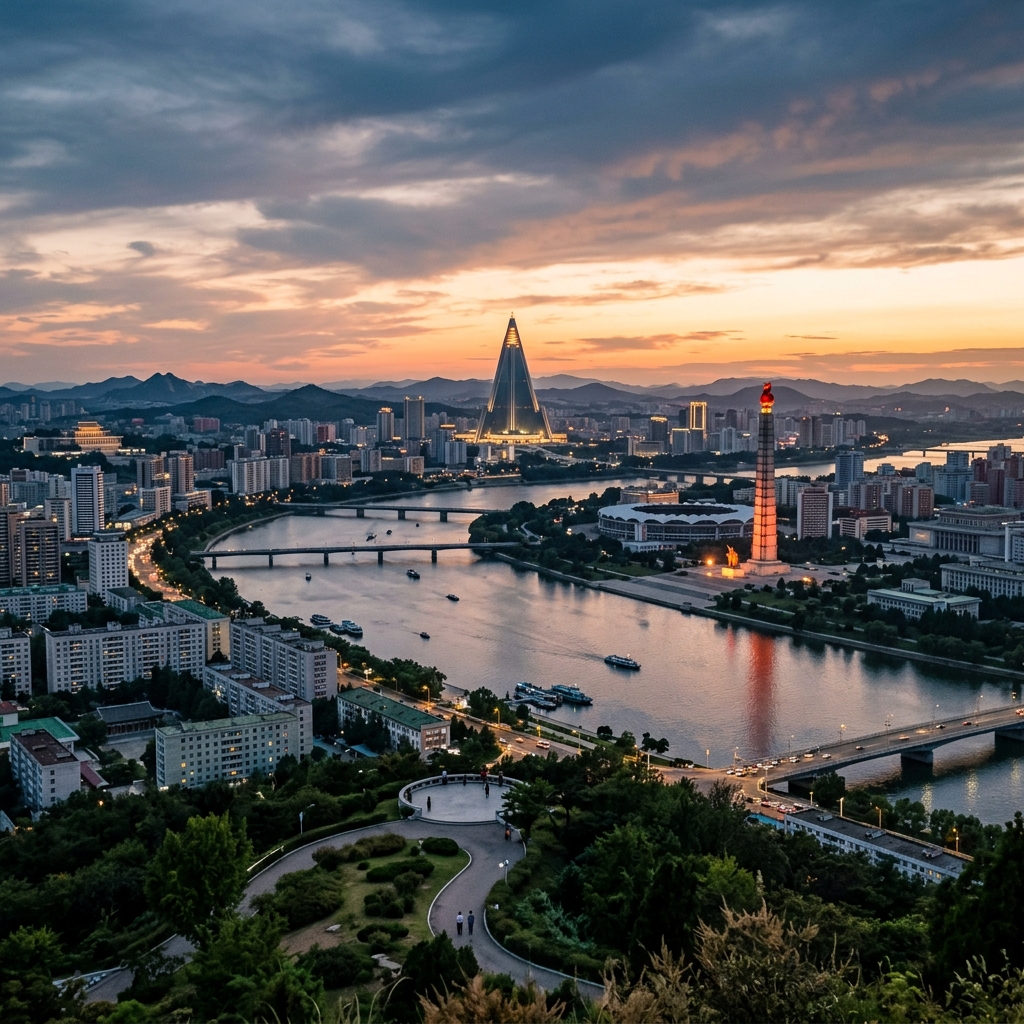
- Juche Tower Elevator: Optional ride to the top observation deck of the Tower of the Juche Idea costs approximately $8 per person.
- Guide & Driver Tipping: Tipping is customary and expected. Budget approximately $10 to $15 per day for your lead guide, $8 to $10 per day for your assistant guide, and $5 per day for the driver.
- Souvenirs: Hand-painted propaganda posters ($40 - $100), local postage stamps, books, and ginseng products are popular purchases at hotel gift shops.
Currency & Financial Strategy: Navigating the Cash-Only Environment
The single most critical financial rule for Pyongyang in 2026 is that foreign credit cards, debit cards, and ATMs DO NOT work anywhere in North Korea. International banking networks (Visa, Mastercard, AMEX) are completely unavailable due to financial sanctions.
You must bring 100% of your estimated trip budget in physical hard currency cash. Acceptable currencies include:
- Euros (EUR): Widely preferred across all hotels, official gift shops, and state restaurants. Bring crisp, undamaged banknotes in small denominations (€5, €10, €20).
- Chinese Yuan (RMB): Highly practical and universally accepted throughout Pyongyang and border towns like Sinuiju. Change is readily given in RMB.
- United States Dollars (USD): Accepted in major tourist hotels, though crisp, unblemished 2013-series or newer bills are strictly required. Torn, folded, or marked bills will be rejected.
Pro Tip: The local currency (North Korean Won - KPW) is not legally accessible to tourists for general spending, except in rare designated shopping centers like the Kwangbok Area Shopping Center. Never attempt to take local KPW currency out of the country as a souvenir without official approval, as it violates customs regulations.