
Overview of Dining and Traveling the Pamir Highway Travel Budget in 2026
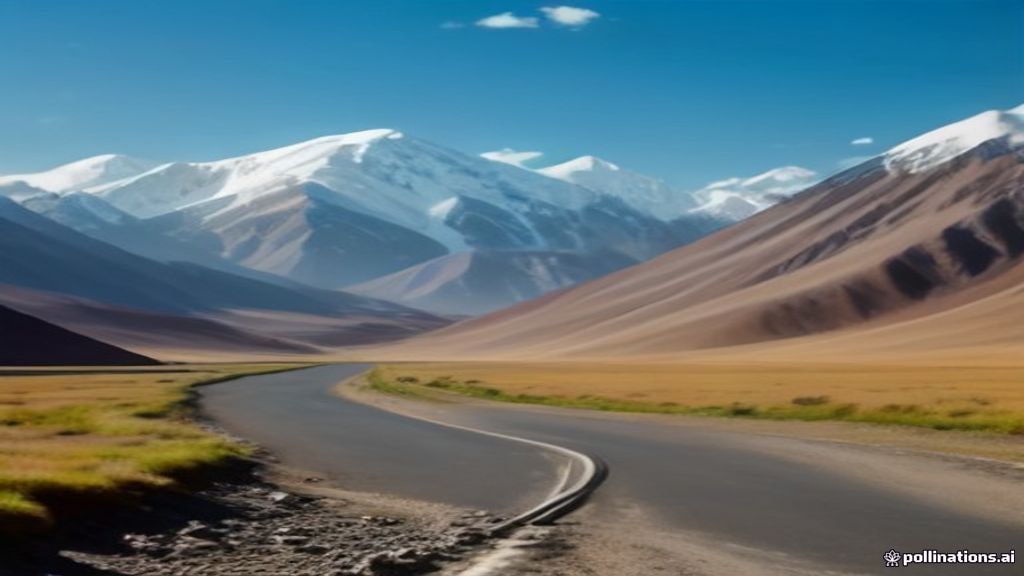
Traversing the M41—famously known as the Pamir Highway—is one of the world’s ultimate overland adventures. Cutting through Tajikistan’s remote Gorno-Badakhshan Autonomous Region (GBAO) and winding along the border of Afghanistan before ascending into the high-altitude plateau of Murghab, this road trip presents unique financial and logistical realities. In 2026, traveling the Pamir Highway remains surprisingly affordable in dollar terms, yet costs can vary dramatically depending on whether you self-navigate by bicycle, join shared 4x4 transport, or hire a private vehicle with a guide.
Because the region is high-altitude, mountainous, and ecologically harsh, local food production is severely limited past Khorog. Culinary experiences along the Pamir Highway rely heavily on traditional Pamiri homestays, roadside teahouses (chaikhanas), and basic dry goods imported from Dushanbe Travel Budget or Osh Travel Budget. Understanding the cost of food and daily living expenses in 2026 is critical for anyone planning to navigate the "Roof of the World." All prices in this guide are presented in United States Dollars (USD) and reflect current 2026 exchange rates for the Tajikistani Somoni (TJS).
2026 Pamir Highway Daily Travel Budget Tiers
Unlike standard tourist destinations with dense networks of hotels and restaurants, the Pamir Highway operates primarily on an all-inclusive homestay model once you leave regional hubs like Dushanbe or Khorog. Homestays typically bundle lodging with dinner and breakfast, making food costs intimately tied to accommodation choices.
Below is the definitive daily cost breakdown for 2026 across three distinct travel tiers:
- Backpacker Tier ($32 total / day): Accommodation: $17/night | Food: $10/day | Transport: $5/day. Ideal for cyclists, hitchhikers, or solo travelers taking public shared 4x4 minivans (marshrutkas) between major towns, staying in basic communal homestay rooms, and eating simple roadside staples like bread, soup, and chai.
- Standard / Mid-Range Tier ($91 total / day): Accommodation: $58/night | Food: $23/day | Transport: $10/day. Designed for independent travelers joining shared group 4x4 hires, staying in comfortable private homestays with hot water showers, buying snacks, and enjoying hearty three-course homestay meals plus chaikhana lunches.
- Luxury / Private Expedition Tier ($262 total / day): Accommodation: $173/night | Food: $58/day | Transport: $31/day. For travelers utilizing private, high-end Toyota Land Cruisers with dedicated drivers/guides, staying in boutique eco-lodges in Khorog and premium private homestays in remote valleys, featuring tailor-made meals and imported beverages.
Pamir Highway Food & Meal Cost Index (2026 Detailed Breakdown)
Food along the M41 ranges from hearty national dishes in Tajik towns to minimalist Pamiri sustenance in high-altitude settlements. Because fresh ingredients must be trucked up over mountain passes, prices slightly increase as elevation rises, though dining out remains exceptionally budget-friendly.
1. Homestay Dining (Breakfast & Dinner Bundles)
In villages like Langar, Bulunkul, Alichur, and Karakul, formal restaurants do not exist. Your dining room is the traditional Pamiri chikan (raised wooden platform) inside your homestay. Meals are wholesome, filling, and designed to sustain high-altitude living.
- Standard Homestay Breakfast (Included or $2–$4 standalone): Porridge (kasha), fried eggs, homemade butter, flatbread (non), jam, and unlimited black or green tea. In high-altitude areas, you may be served shirchay—a traditional salty tea brewed with milk, butter, and crushed bread.
- Standard Homestay Dinner (Included or $5–$8 standalone): A massive communal bowl of soup (such as shurbo with mutton and potato), followed by a main dish like plov (rice pilaf with mutton and carrots), manty (steamed meat dumplings), or laghman (hand-pulled noodle soup). Served with bread and tea.
2. Roadside Chaikhanas & Town Street Food & Meal Cost Index
During travel days between settlements, drivers pull over at roadside teahouses (chaikhanas) or small eateries in Khorog, Ishkashim, and Murghab. These spots offer rapid, calorie-dense street food and quick lunches.
- Samsa (Meat-filled baked pastry): $0.60 – $1.20 each
- Bowl of Shurbo or Laghman Soup: $1.80 – $3.00
- Plate of Plov (Standard lunch portion): $2.50 – $4.00
- Qurutob (Tajik national dish of flatbread, cheese curd sauce, and onions): $2.00 – $3.50
- Pot of Green Tea (Chai) with bread: $0.50 – $1.00
3. Grocery Rations & Self-Catering Supplies
Self-catering is essential for long drives through the desolate stretches between Alichur and Murghab. Travelers usually stock up at the green markets in Dushanbe, Kala-i-Khum, or Khorog before heading deeper into the high plateau.
- Traditional Flatbread (Non): $0.30 – $0.50 per loaf
- Local Cheese / Curd Balls (Qurut): $1.00 per bag
- Canned Fish / Beef (Tushonka): $1.50 – $2.50 per tin
- Dried Fruits & Nuts (1 kg of raisins/almonds): $4.00 – $8.00
- Instant Noodles (per pack): $0.45 – $0.75
- Bottled Water (1.5 Liters): $0.50 – $0.90
Itemized Sample Menu Costs along the M41 Highway (2026)
To help you budget precisely for daily food consumption, here is an itemized breakdown of common meals and beverages in 2026:
- Steamed Manty (5 pieces): $2.20
- Fried Trout (Khorog Riverside Restaurants): $6.50
- Yak Meat Stew (Murghab Specialty): $4.50
- Fresh Vegetable Salad (Cucumbers & Tomatoes): $1.20
- Local Tajik Beer (330ml bottle): $1.20 – $2.00
- Imported Soft Drink (500ml Coca-Cola): $0.80
- Large Bottle of Purified Water (1.5L): $0.60
Beyond Food: Logistics, Permits, and Transport Costs
While food costs on the Pamir Highway are very low (ranging from $10 to $58 per day across tiers), logistics account for the majority of a traveler's budget. Planning for these extra non-food expenses ensures a smooth expedition.
GBAO Permit & Border Logistics
To enter the Gorno-Badakhshan region, all foreign travelers require a GBAO Permit. In 2026, this permit is easily obtained during the Tajikistan E-Visa application process online for an additional fee of roughly $20. Ensure your permit covers all sub-regions, especially if you plan to detour into the Wakhan Valley or Murghab plateau.
Transportation Dynamics
Transportation along the M41 requires careful budgeting:
- Public Shared 4x4 (Marshrutka/Shared Car): $5 to $10 per leg between major towns. Budget travelers can complete the entire highway for extremely low transport costs, though vehicle departures are sporadic and uncomfortable.
- Organized Shared 4x4 Charter: Dividing a 7-to-10 day driver/vehicle charter among 4 passengers costs around $10 to $20 per person per day ($40–$80 total per vehicle/day including driver fuel).
- Private SUV Expedition Hire: Booking a high-clearance Toyota Land Cruiser with an experienced mountain driver costs around $120–$180 per day for the vehicle, translating to roughly $31/day per person on high-end luxury inclusive tours.
Pro-Tips for Eating and Budgeting on the Pamir Highway
Successfully navigating the culinary and financial landscape of the Pamir Highway requires advance preparation. Keep these insider tips in mind:
- Carry Cash in Small Denominations: ATMs are virtually non-existent between Khorog and the Kyrgyz border. Carry sufficient Tajikistani Somoni cash (TJS) exchanged in Dushanbe or Khorog. Homestays and roadside stalls cannot break large bills ($100 USD or 200 TJS notes).
- Embrace High-Altitude Hydration and Filtration: Bottled plastic water creates severe waste management issues in the remote Pamirs. Carry a heavy-duty UV water purifier or hollow-fiber filter system. Mountain spring water is abundant, and filtering your own saves both money and the environment.
- Prepare for Dietary Restrictions: Vegetarianism is uncommon in rural Central Asia. Homestays will do their best to accommodate, usually serving rice, potatoes, fried eggs, and vegetable soups, but options are limited. Advise your hosts in advance.
- Stock High-Energy Snacks Early: Altitude sickness and long hours on bumpy roads can suppress your appetite or cause unexpected travel delays. Buy dried apricots, walnuts, chocolate, and energy bars in Dushanbe or Khorog before heading into remote mountain passes.