
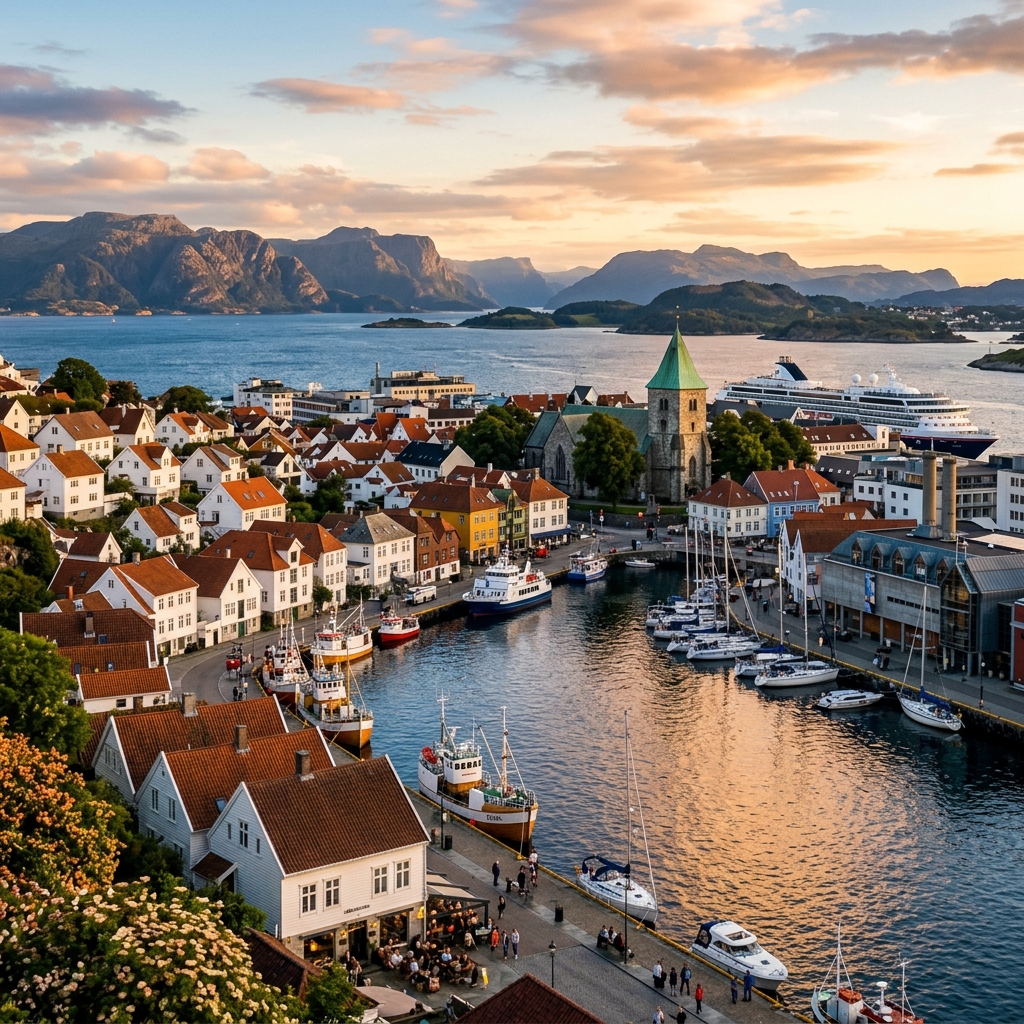
Perched on the southwest coast of Norway, Stavanger Travel Budget is a captivating city where ultra-modern energy infrastructure meets idyllic maritime history. Famous for its pristine cobblestone streets, preserved 18th-century wooden houses in Gamle Stavanger, vibrant street art, and immediate proximity to the dramatic Lysefjord, Stavanger serves as the primary launching pad for world-renowned hikes like Preikestolen (Pulpit Rock) and Kjeragbolten. However, navigating Norway's dynamic coastal weather and notoriously high cost of living requires careful timing and financial planning.
Whether your priority is catching endless daylight on summer fjord cruises, avoiding high-season hotel surcharges, or tackling world-class trekking routes under clear autumn skies, this 2026 guide breaks down the Best Time to Visit Planner Stavanger alongside realistic daily budget benchmarks for every travel style.
Stavanger Seasonal Overview: Weather, Daylight, and Hiking Windows
Stavanger experiences a temperate oceanic climate influenced by the Gulf Stream. This means milder winters and cooler summers compared to inland Norway, but it also brings frequent rain and variable coastal weather. Choosing when to visit depends heavily on whether outdoor hiking or urban exploration is your main objective.
Peak Summer (June through August)
Summer is undeniably the most popular season to visit Stavanger. With long daylight hours reaching up to 18 hours per day in June, the region buzzes with outdoor energy. Average daily temperatures hover between 15°C and 22°C (59°F–72°F), creating comfortable conditions for coastal walks, cafe dining along the Vågen harbor, and high-altitude trekking.
- Pros: All hiking routes (Preikestolen, Kjerag, Flørli 4444) are open and fully accessible by public transport; peak festival season (including Gladmat, Scandinavia's largest food festival); vibrant outdoor dining scene.
- Cons: Highest hotel rates of the year; crowded trails at Pulpit Rock; peak price surge on flights and ferries.
Shoulder Seasons: Spring (May) & Autumn (September to October)
The shoulder months represent the sweet spot for budget-conscious travelers and outdoor enthusiasts who prefer fewer crowds on the trails. May brings blossoming apple orchards, rushing waterfalls driven by snowmelt, and rapidly lengthening days. September and October showcase breathtaking golden foliage around the Lysefjord, though rain becomes more frequent by late October.
- Pros: Lower accommodation rates; significantly smaller crowds on key hiking routes; pleasant crisp air for walking.
- Cons: Kjerag hiking trail opens late May and closes by mid-October due to snow; public fjord ferries operate on reduced seasonal schedules.
Low Season: Winter & Early Spring (November through April)
Winter transforms the Stavanger region into a tranquil, moody landscape. While the coastal city rarely sees persistent deep snow due to maritime warming, the nearby mountains receive heavy snowfall. Temperatures average between 0°C and 5°C (32°F–41°F), and daylight shrinks to roughly 6 hours in mid-December.
- Pros: Lowest accommodation prices of the year; cozy winter atmosphere in historic cafes; easily bookable boutique hotels; chance to view snow-capped fjords via sheltered boat tours.
- Cons: Kjerag is closed to non-guided winter hikers; Preikestolen requires snowshoes/crampons and a certified guide; short daylight hours limit outdoor itineraries; frequent winter rain and sleet at sea level.
2026 Daily Travel Budget Benchmarks for Stavanger
Norway is widely recognized as one of Europe's most expensive destinations. However, by understanding realistic financial benchmarks for 2026, you can tailor your itinerary to fit your financial comfort zone. Below are estimated daily costs categorized by traveler tier (excluding international long-haul airfare).
| Traveler Tier | Accommodation (per night) | Food & Dining (per day) | Local Transport (per day) | Total Daily Cost Range |
|---|---|---|---|---|
| Backpacker Tier | $50 | $28 | $13 | $91 – $110 |
| Standard / Mid-Range Tier | $165 | $66 | $28 | $259 – $310 |
| Luxury Tier | $495 | $165 | $88 | $748 – $850+ |
Detailed Cost Breakdown by Expense Category for 2026
1. Accommodation Costs
Accommodation will absorb the largest portion of your Stavanger budget. Hotel demand peaks sharply between June and August, making early bookings essential.
- Backpacker Tier ($50/night): Shared dorm beds in hostels, basic guesthouse rooms slightly outside the city center, or campsite fees/campervan parkings along the coastal rim.
- Mid-Range Tier ($165/night): Standard double rooms in modern Scandinavian chain hotels (such as Scandic, Thon, or Clarion) located near Stavanger Central Station or the old town harbour, including high-quality buffet breakfasts.
- Luxury Tier ($495/night): Premium suites at waterfront properties like the Eilert Smith Hotel, high-end historic manor stays around Rogaland, or exclusive luxury fjord lodges featuring private sauna facilities.
2. Food and Dining Expenses
Food prices in Stavanger reflect high national labor wages and import tariffs on foreign products. However, options cater to both self-catering travelers and epicurean foodies.
- Backpacker Tier ($28/day): Self-catering via budget supermarkets like REMA 1000, Kiwi, or Extra. Quick bites like convenience store hot dogs (pølse), bakery bread, cheese, and prepared salads.
- Mid-Range Tier ($66/day): Casual casual-dining lunches, cozy cafe meals along Fargegaten (the colorful street), local fish soup, and a standard main course at a pub or harbourfront bistro with a tap beer or soda.
- Luxury Tier ($165/day): Multi-course tasting menus at Stavanger’s world-famous culinary institutions, such as the Michelin-starred RE-NAA or Sabi Omakase, paired with fine wine, alongside premium waterfront seafood dinners.
3. Transportation & Mobility
Getting around Stavanger and accessing the surrounding fjords requires navigating a combination of local buses, express passenger ferries, and rental cars.
- Backpacker Tier ($13/day): Utilizing single-zone public bus tickets via the local transit network (Kolumbus) within the city center, walking the compact downtown area, and taking shared public shuttles.
- Mid-Range Tier ($28/day): Regional day passes covering buses and local island ferries, return bus shuttles directly to the Preikestolen trailhead, or Split Travel Budget rental car costs among travel partners.
- Luxury Tier ($88/day): Private car rentals, high-speed private water taxi transfers across the Lysefjord, premium airport transfers, and private guided vehicle tours.
4. Sightseeing and Outdoor Activity Fees
While basic self-guided hiking in Norway is free under the historic national law Allemannsretten (Right to Roam), reaching trailheads and enjoying curated experiences incurs fees in 2026:
- Preikestolen Trailhead Parking: Approximately 250–300 NOK ($25–$30 USD) per vehicle if driving.
- Lysefjord Sightseeing Cruise: $65–$95 USD for a classic 3-hour electric fjord ferry cruise from Stavanger harbor.
- Norwegian Petroleum Museum Entry: Approximately $15–$18 USD per adult.
- Kjerag Shuttle Bus (Seasonal): $45–$60 USD round-trip from Stavanger center.
Evaluating the Best Time to Visit Based on Travel Priorities
For Budget Travelers: May or September
If your goal is minimizing expenses while enjoying favorable outdoor conditions, book your visit during **May** or **September**. Room rates drop by 20% to 35% compared to July highs. Daylight hours remain long enough for full-day excursions, and public transportation networks to major trailheads still operate on robust seasonal schedules.
For Hikers and Adventure Seekers: July through August
For those intent on tackling both Preikestolen and the challenging Kjeragbolten hike in a single trip, **mid-July to late August** is unmatched. High-altitude mountain passes are entirely free of ice, trail safety conditions are optimal, and daylight extends well into the evening, providing a safety buffer for longer alpine treks.
For Culture and Food Lovers: Late July
Culinary enthusiasts should align their visit with the annual **Gladmat Festival**, typically held in late July along Stavanger's inner harbor. Featuring dozens of local vendors, seafood specialists, and regional craft breweries, it offers an unparalleled taste of Nordic food culture under warm summer skies.
Pro Budget Hacks for Stavanger in 2026
- Leverage Free Hotel Breakfasts: Mid-range Norwegian hotels are famous for lavish, high-protein breakfast buffets. Eat a hearty morning meal to minimize mid-day lunch costs.
- Download the Kolumbus App: Never buy transit tickets on board with cash, as onboard surcharges apply. Purchase single rides or 24-hour passes through the official Kolumbus Billett app for the best rates.
- Embrace Supermarket Dining: Prepare trail lunches by buying Norwegian sourdough bread, brown cheese (brunost), smoked salmon, and fruit from discount grocers like Kiwi or REMA 1000 instead of buying mountain lodge sandwiches.
- Drink Tap Water: Tap water throughout Norway is among the cleanest and tastiest in the world. Bring a reusable bottle; purchasing bottled water in stores is an unnecessary expense.
- Book Fjord Cruises in Advance: Electric boat tours through the Lysefjord often sell early-bird tickets online. Securing your spot weeks ahead guarantees availability and locked-in rates during the busy summer window.
Conclusion: Finding Your Ideal Stavanger Window
Stavanger is a premier year-round destination, but matching your trip to the right season ensures you maximize both your experience and your budget. Summer offers unbeatable daylight and fully accessible mountain trails, albeit at peak prices. The shoulder months of May and September provide a brilliant balance of moderate weather, accessible hiking, and mid-tier savings. By establishing a clear budget tier and choosing your timing intentionally, your 2026 journey to Norway's fjord gateway will be both memorable and financially sound.