
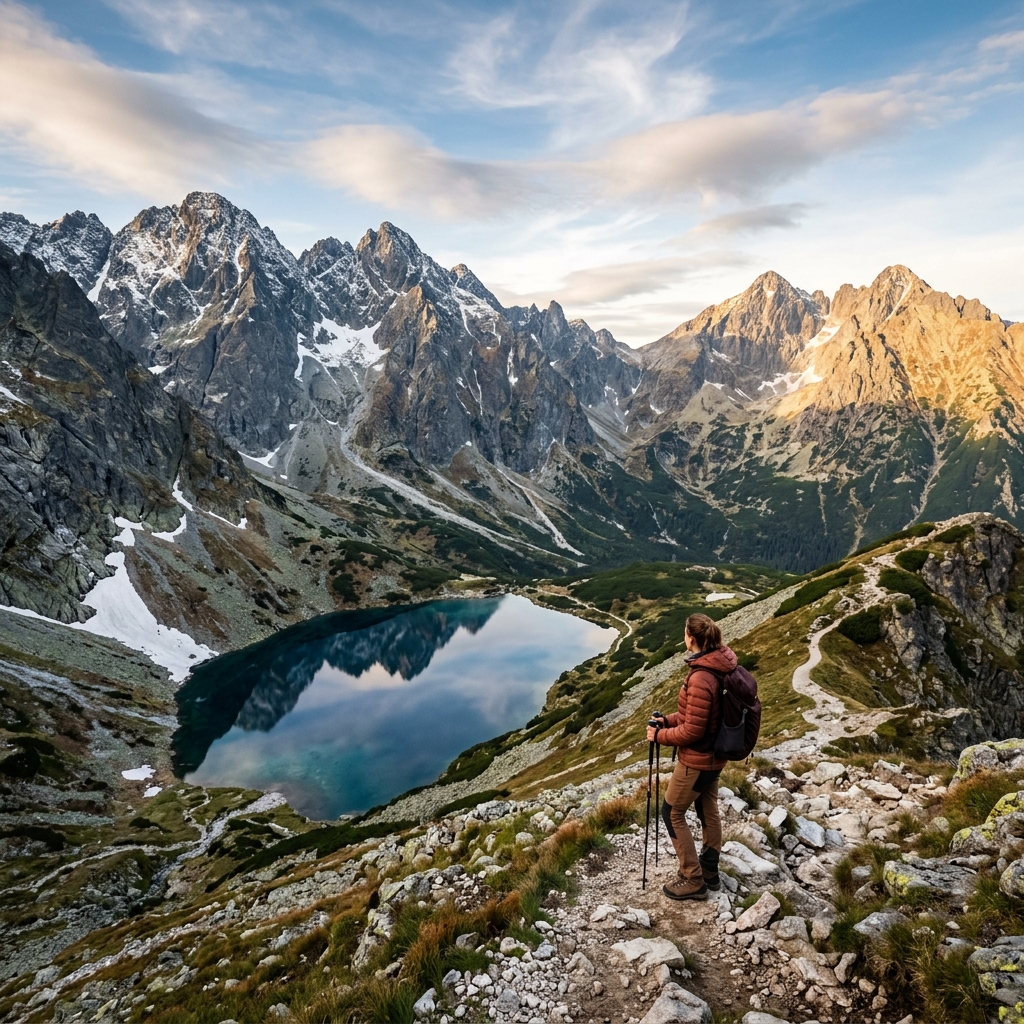
Rising dramatically like a granite fortress along Slovakia’s northern border with Poland, the High Tatras Travel Budget (Vysoké Tatry) represent the highest mountain range in the Carpathian arc. Known as Central Europe’s most accessible alpine wonderland, this UNESCO Biosphere Reserve offers jagged peaks, glacier-carved tarns, and historic spa towns at a fraction of the cost of the Swiss or French Alps. However, timing your visit to the High Tatras in 2026 requires balancing weather conditions, seasonal mountain trail closures, and distinct financial pricing surges between low and peak travel windows.
Whether you are planning to trek to remote mountain huts (chaty), ski high-altitude alpine slopes in Tatranská Lomnica, or unwind in thermal mineral waters, this comprehensive 2026 guide covers everything you need to know about the Best Time to Visit Planner, seasonal weather shifts, transport logistics, and exact daily travel budgets.
High Tatras Weather & Trail Accessibility by Season
Understanding the microclimates of the High Tatras is crucial for planning your itinerary. Mountain weather changes rapidly, and strict national park conservation laws enforce seasonal trail closures to protect fragile ecosystems and ensure hiker safety.
1. Peak Summer: July to August
Summer brings the warmest weather, fully accessible hiking routes, and vibrant alpine flora. Daytime temperatures in base towns like Starý Smokovec and Štrbské Pleso hover between 20°C and 25°C (68°F–77°F), though mountain summits remain significantly cooler. This is the prime window for high-altitude trekking across all major passes and summits, including Rysy and Kriváň.
- Pros: 100% of hiking trails and mountain huts are open; long daylight hours; ideal conditions for outdoor adventures.
- Cons: Highest accommodation rates of the year; crowded trails around popular spots like Morskie Oko (on the Polish side) and Popradské Pleso; afternoon thunderstorms are common.
- Best For: Serious trekkers, peak-baggers, and active families.
2. Golden Autumn: September to October
Many experienced mountain travelers consider autumn the absolute best time to visit the High Tatras. By September, summer crowds thin dramatically, and the region experiences its most stable, dry weather pattern. The valley larches turn bright gold, creating striking visual contrasts against the dark granite cliffs.
- Pros: Crisp weather with low rainfall; significantly fewer tourists; lower mid-range hotel prices; all high-altitude trails remain open through October 31.
- Cons: Shorter daylight hours; chilly mornings requiring layered thermal clothing; mountain huts begin reducing operations late in October.
- Best For: Landscape photographers, budget-conscious hikers, and couples seeking quiet mountain retreats.
3. Winter Ski Season: December to March
From December through March, the High Tatras transform into a snow-covered wonderland. World-class winter sports take center stage at Tatranská Lomnica (boasting the highest slopes in Slovakia) and Štrbské Pleso. The atmosphere peaks during the holiday season with traditional Christmas markets, thermal spa visits, and winter trail walks along frozen lakes.
- Pros: Excellent skiing, snowboarding, and snowshoeing; magic winter landscapes; Christmas market celebrations in nearby Poprad.
- Cons: All high-altitude trails above mountain huts are closed for environmental protection (November 1 to June 15); premium hotel rates around Christmas and New Year.
- Best For: Skiers, winter sports enthusiasts, and wellness travelers.
4. Spring Mud & Snowmelt: April to June 15
Spring is the quietest season in the High Tatras. As winter snow melts, lower valley trails clear, exposing lush meadows filled with blooming crocus flowers. However, high-mountain passes remain locked under heavy snow and are legally off-limits until the annual summer reopening on June 15.
- Pros: Absolute lowest accommodation rates of the year; serene atmosphere; dramatic waterfalls swollen by melting snowpack.
- Cons: Trail closures restrict high-altitude hiking; unpredictable weather with frequent rain and slush; cable cars often pause operations for annual spring maintenance.
- Best For: Ultra-budget travelers, spa seekers, and relaxed lower-elevation sightseers.
2026 High Tatras Travel Cost Breakdown
Planning your trip to Slovakia in 2026 requires a clear understanding of daily costs. Despite broader European inflation trends, the High Tatras remain exceptionally cost-effective compared to Western European mountain destinations. Below are the verified financial benchmarks across three primary travel tiers.
Backpacker Tier: Budgeting for $49 / Day
Budget travelers can easily experience the High Tatras without overspending by utilizing mountain hostels, self-catering accommodation, public mountain trains, and local eateries.
- Accommodation ($27 / night): Shared dorm bed in a hostel in Poprad or Starý Smokovec, or a private room in a modest family pension (penzión).
- Food ($15 / day): Groceries from local supermarkets (Billa or Tesco) combined with hearty, budget-friendly Slovak meals like bryndzové halušky (potato dumplings with sheep cheese) at local self-service venues.
- Transportation ($7 / day): Daily network pass for the Tatra Electric Railway (TEŽ), providing unlimited travel between all main mountain villages.
Standard / Mid-Range Tier: Budgeting for $142 / Day
The mid-range budget allows for comfortable 3-star hotel accommodation, private ensuite rooms, daily dining at traditional mountain restaurants (koliba), and regular lift passes.
- Accommodation ($91 / night): Cozy 3-star mountain hotel or modern alpine apartment in Štrbské Pleso or Tatranská Lomnica with breakfast included.
- Food ($36 / day): Full sit-down lunches and dinners featuring regional soups (kapustnica), grilled trout, local craft beer, and mountain tea at authentic chalets.
- Transportation ($15 / day): Combination of TEŽ rail passes, short taxi connections, and regional bus rides to specific trailhead locations like Biela Voda.
Luxury Tier: Budgeting for $411 / Day
A high-end getaway in the High Tatras delivers luxury five-star spa resorts, fine dining, private guides, and premium cable car tickets.
- Accommodation ($272 / night): Premium suite at historic 5-star properties such as Grand Hotel Kempinski High Tatras overlooking Lake Štrbské Pleso, including full spa access.
- Food ($91 / day): Gourmet multi-course tasting menus paired with regional Central European wines at top-rated hotel dining rooms and upscale steakhouses.
- Transportation ($48 / day): Private vehicle rental with full insurance, private transfers from Poprad-Tatry Airport, or direct door-to-door shuttle services.
2026 Sightseeing & Activity Expense Guide
While hiking on marked public trails is completely free in Tatra National Park (TANAP), mechanical mountain lifts and attraction fees form a significant part of your holiday budget. In 2026, prices for key experiences in the region are as follows:
- Gopass Cable Car (Tatranská Lomnica to Skalnaté Pleso): €24–€32 return (booking online via the Gopass system in advance guarantees lower prices compared to ticket window purchases).
- Lomnický Štít Cable Car Peak Extension: €45–€58 return (reaches Slovakia's second-highest summit at 2,634 meters; must be booked weeks in advance).
- Hrebienok Funicular (Starý Smokovec): €11–€15 return.
- AquaCity Poprad Thermal Park Pass: €28–€36 for a full-day thermal water and sauna world ticket.
- Thermal Park Vrbov: €14–€19 for a 3-hour relaxing soak in natural mineral pools.
- 2026 Winter Ski Pass (1-Day Adult): €39–€52 depending on early-bird dynamic booking dates.
Getting Around the High Tatras on a Budget
The High Tatras features one of the most efficient and inexpensive transit systems in Europe. The core of the area's network is the Tatra Electric Railway (TEŽ), connecting Poprad, Starý Smokovec, Štrbské Pleso, and Tatranská Lomnica.
Single tickets range from €1 to €2.50 depending on distance, but frequent travelers should purchase a 3-day (€8) or 7-day (€14) TEŽ pass. If you choose to stay in Poprad (the primary gateway city at the foot of the mountains), accommodation costs drop significantly while remaining just a 25-minute scenic electric train ride from the main trailheads.
Pro Financial Tips for Visiting the High Tatras in 2026
- Use the Gopass App Early: Mountain resorts in the Tatras operate on dynamic pricing for cable cars and ski passes. Purchasing tickets 7 to 14 days in advance via the official Gopass platform saves up to 30% compared to cash kiosk rates.
- Base Yourself in Poprad or Velká Lomnica: Hotels in Štrbské Pleso charge a steep premium for location. Staying down in Poprad or nearby villages offers budget room rates ($27–$50/night) while keeping mountain access convenient via public transit.
- Pack Lunch for Trail Days: High-altitude mountain huts (chaty) carry a premium on food due to transportation logistics (some supplies are still carried up by foot by mountain porters). Bringing snacks from town supermarkets saves significant money during full-day hikes.
- Travel in Late May or Mid-September: Shoulder months deliver the absolute best cost-to-experience ratio, featuring off-peak hotel pricing and manageable weather.